As we look toward the future, understanding what are the latest trends in modular building systems becomes essential for industry professionals. Modular construction is rapidly evolving. With innovative designs and sustainable practices, this sector is gaining traction. New technologies are making modular buildings more efficient and eco-friendly. Builders and architects are exploring creative ways to reduce waste and save time.
Experts note that modular systems offer significant cost savings. This approach allows for quicker assembly and less labor-intensive processes. However, some challenges remain. Not all regions are equipped to adopt modular construction easily. There can be resistance to change from traditional building methods.
In 2026, modular building systems will likely become even more mainstream. Industry leaders emphasize the importance of staying informed about these advancements. Professionals must engage with emerging ideas to remain competitive. Reflecting on these trends opens up new possibilities. In this dynamic environment, adaptability is key.
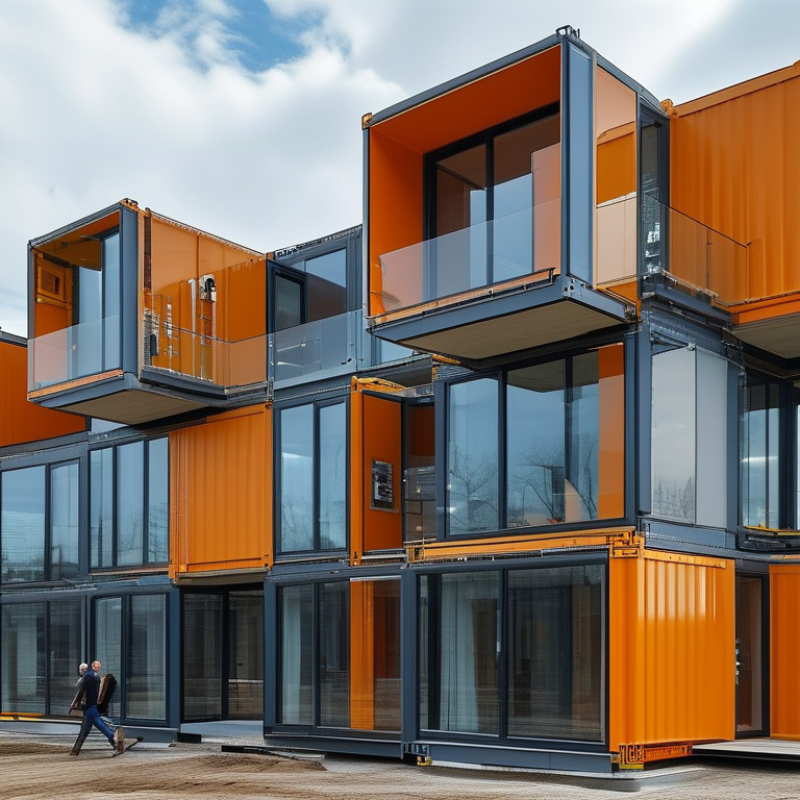
The growing adoption of modular building systems in 2026 reveals several emerging trends and innovations. The modular construction market is expected to reach USD 157 billion by 2026, reflecting a compound annual growth rate (CAGR) of 6.5% from 2021. This growth is largely driven by rising demand for sustainable and energy-efficient building solutions.
One noteworthy trend is the use of advanced materials and techniques. Cross-laminated timber (CLT) and prefabricated components have gained traction. These materials reduce construction waste and enhance energy efficiency. A report shows that buildings using CLT can have up to 20% lower carbon emissions compared to traditional structures. This is significant as the industry shifts towards greener alternatives.
Digital technologies are also transforming modular building systems. Innovations such as Building Information Modeling (BIM) and augmented reality (AR) streamline the design and construction processes. These tools improve collaboration among project stakeholders. However, the industry faces challenges in ensuring that all participants are adequately trained to utilize these technologies, leading to potential implementation gaps. Addressing this training need is crucial for maximizing the benefits of these innovations.
Sustainability is becoming integral to modular building systems. A report from the Modular Building Institute indicates that modular construction can reduce waste by up to 90%. This efficiency stems from factory-controlled environments, allowing for better resource management. In fact, modular buildings can achieve a significant reduction in carbon footprints compared to traditional construction methods.
Key data highlights the increasing demand for sustainable practices. According to a 2022 study by McKinsey, over 70% of construction companies aim for net-zero emissions by 2030. Modular building is essential in this transition. It promises enhanced energy efficiency and utilizes recyclable materials. Yet, challenges persist. Not all manufacturers are equipped to prioritize sustainable practices consistently.
Future projections are optimistic. Industry forecasts suggest a 15% annual growth in the adoption of modular systems for eco-friendly construction. However, regulatory hurdles and public acceptance remain areas needing attention. Striking a balance between innovation and sustainability remains a challenge for many.
This chart illustrates the growing trends in sustainability within modular building systems from 2022 to 2026, highlighting the projected increase in the percentage of sustainable materials used and energy-efficient designs.
Smart technologies are revolutionizing modular construction. They enhance operational efficiency and improve project management. Integration of IoT devices allows real-time tracking of resources. This helps in minimizing waste and optimizing labor costs. Drones can survey sites quickly, providing data that increases accuracy.
Robotics also play a critical role in this domain. They streamline assembly processes, reducing the need for manual labor. Yet, there are challenges in training workers to adapt to new technologies. Not every site is equipped to handle advanced systems. Developers must weigh the costs against potential benefits.
Data analytics empowers decision-making in modular construction. By analyzing project data, teams can forecast timelines and budget needs. However, reliance on data without human insight can lead to narrow perspectives. Balancing technology and human expertise is crucial for successful integration in modular systems.
The modular building sector is evolving rapidly. In 2026, cost efficiency remains a primary goal for many developers. The traditional construction model can lead to unexpected expenses. Modular systems minimize waste and optimize resource utilization. This shift leads to significant savings on materials and labor. Additionally, early project completion boosts overall profit margins.
Time savings are crucial in today’s fast-paced market. Modular buildings can be constructed in a fraction of the time compared to conventional methods. Off-site production allows for simultaneous site preparation and building fabrication. This parallel approach often shortens project timelines dramatically. However, the challenge lies in coordinating logistics effectively. Delays in transportation can still disrupt project flow.
Ultimately, navigating these trends requires insights from industry experts. The more informed decisions are made, the better outcomes can be achieved. While modular construction offers clear advantages, stakeholders must remain vigilant. The growing popularity also attracts new players, leading to varying quality standards. Prioritizing reliability in materials and design is essential. Continuous evaluation and adaptability will define success in this changing landscape.
| Trend | Description | Cost Savings (%) | Time Savings (Days) | Environmental Impact |
|---|---|---|---|---|
| Off-Site Construction | Building components are manufactured in a factory setting and assembled on-site. | 20% | 30 | Reduced waste, lower carbon footprint |
| 3D Printing | Using advanced techniques for on-site construction of building structures. | 15% | 25 | Minimized material waste, sustainable materials |
| Smart Technology Integration | Incorporating smart systems for energy management and automation. | 10% | 15 | Increased energy efficiency, lower operational costs |
| Sustainable Materials | Utilizing recycled or eco-friendly materials in construction. | 25% | 20 | Lower environmental impact, resource conservation |
| Flexible Design | Modular systems that allow for easy reconfiguration and adaptability. | 18% | 22 | Promotes resource efficiency, reduces waste with modularity |
Regional adoption rates of modular building systems show significant variance worldwide. According to recent market analyses, North America leads the charge, with modular construction accounting for 3.9% of total building activity in 2022. This figure is projected to rise as projects become more complex and the demand for faster builds increases. In contrast, Europe has a slower adoption rate, capturing only 2.8% of the market. Cultural perceptions and regulatory hurdles play a significant role in these disparities.
Asia is experiencing a surge in interest. Several countries, including Japan and China, are embracing modular techniques for residential projects. Reports indicate that modular builds can reduce construction time by 30% to 50%. Yet, challenges remain. Quality control and integration with local building codes often hinder progress. As the sector evolves, stakeholders will need to address these issues for broader acceptance.
Emerging markets in Africa and Latin America are beginning to explore modular solutions as well. Economic constraints often push these regions to seek cost-effective and efficient building alternatives. However, awareness and expertise are still developing, leading to inconsistent adoption rates. Engaging local communities and investing in training for builders will be crucial for future growth in these areas. Continual assessment and refinement of practices may enhance trust and reliability in modular systems globally.
: Modular construction can reduce waste by up to 90%. This is due to factory-controlled environments.
Modular buildings have a smaller carbon footprint compared to traditional methods. This contributes to eco-friendly construction.
Over 70% of construction companies aim for net-zero emissions by 2030. Modular systems are crucial for achieving this.
Not all manufacturers prioritize sustainable practices. This inconsistency can hinder broader adoption.
Smart technologies enhance efficiency and improve project management. IoT devices allow real-time tracking.
Drones can survey sites quickly. This increases data accuracy and helps minimize waste.
North America leads with 3.9% market share, while Europe has only 2.8%. Cultural factors impact these rates.
Quality control and integration with local codes hinder progress. These issues need addressing for acceptance.
Regions like Africa and Latin America are exploring modular solutions. However, expertise and awareness are still developing.
Relying solely on data can narrow perspectives. Human insight is essential for successful modular integration.
The article "2026 Best Trends in Modular Building Systems You Should Know" provides a comprehensive overview of what are the latest trends in modular building systems. It highlights emerging innovations that are shaping the future of construction, focusing on sustainability practices and the incorporation of smart technologies. Sustainability is emphasized through key data and projections that indicate a shift towards greener building solutions.
Additionally, the analysis of cost efficiency and time savings reveals how modular systems are becoming increasingly competitive in the market. The article also explores regional adoption rates, offering a comparative study of how different parts of the world are embracing modular solutions. This holistic approach underscores the growing significance of modular building systems in the construction industry, offering insights into their future trajectory.

Goldy Homes