As the popularity of detachable container buildings rises, understanding how to assemble a detachable container building is essential. Experts emphasize the importance of proper assembly for durability and functionality. John Smith, a leading architect in modular construction, once stated, "The success of a container building hinges on meticulous assembly." This highlights the expertise required in this field.
When considering how to assemble a detachable container building, attention to detail is crucial. Each module must align perfectly to ensure structural integrity. Take the time to review assembly guides and seek professional advice. Experience plays a pivotal role; even skilled builders may encounter unexpected challenges.
Additionally, not all components will fit seamlessly. Be prepared for adjustments and modifications. Mistakes can happen, and flexibility is key. A thoughtful approach can lead to a successful project. Assembling a detachable container building requires patience and precision, but the rewards are worth the effort.
Detachable container buildings are reshaping modern construction. They provide flexibility in design and functionality. These buildings can be adjusted to suit various needs, from temporary sites to permanent installations. The modular nature allows for easier assembly and disassembly. This adaptability makes them particularly appealing in urban settings where space is limited.
Another significant benefit is their cost-effectiveness. Building with containers often requires less time and fewer resources. However, planning is crucial. Poorly thought-out configurations can result in wasted space or inadequate structural support. Additionally, local regulations may impact how these structures are implemented. It's essential to understand these factors beforehand.
Sustainability is another area where these buildings shine. Reusing shipping containers helps divert waste from landfills. Yet, there’s a need for careful design to ensure energy efficiency. Some people overlook proper insulation, which can lead to uncomfortable living or working conditions. Striking a balance between function and comfort is key.
When assembling a detachable container building, having the right tools and materials is crucial. You'll need a strong cordless drill, a wrench set, measuring tape, and safety gear like gloves and goggles. According to industry reports, using quality tools can reduce assembly time by up to 30%. Invest in durable materials such as weather-resistant screws and seals. These offer better longevity and structural integrity.
Tips: Always make sure your workspace is organized. This reduces the risk of accidents. Additionally, double-check all measurements before making cuts. A common issue is miscalculating, which can lead to wasted materials. Remember, patience is key.
Before starting, review your assembly plan thoroughly. A clear understanding of each step can prevent mistakes. Surprisingly, many builders overlook this. They often assume familiarity breeds efficiency, leading to costly errors. Gathering everything you need before beginning is essential for smooth progression. Consider seeking advice from experienced builders. Their insights can provide invaluable shortcuts and suggestions for improvement.
Preparing the site for assembly is a crucial step in constructing a detachable container building. Begin by selecting a flat, stable area for your building. This location should be accessible for transportation and utilities. Remove any large rocks, tree stumps, or debris that could obstruct assembly. Measure the land to confirm it meets your design specifications. Take this seriously; even small inconsistencies can lead to significant issues later.
After clearing the site, focus on leveling the ground. Use a leveling tool to ensure it's even across the entire area. If the ground is too uneven, you may need to consider excavation or adding a gravel base. This part of the process can be tedious but is essential for a sturdy structure. Inadequate leveling can cause misalignment during assembly, leading to potential structural flaws.
Next, mark the layout of the building on the ground using spray paint or stakes. Visualization helps in understanding the space and enables adjustments if necessary. It’s easy to overlook the importance of this step. Ensuring precise layout can save a lot of time during the building phase. Take a moment to double-check measurements before proceeding. Remember, meticulous preparation sets a strong foundation for a successful assembly process.
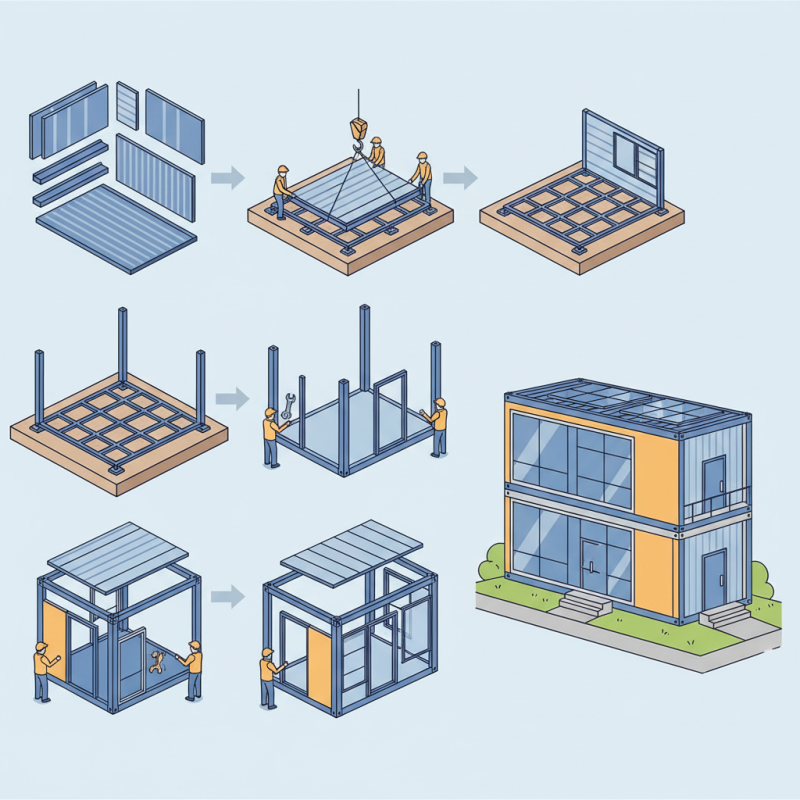
Assembling a detachable container building can seem overwhelming. However, breaking it down into manageable steps makes the process easier. Start by laying out all container sections and ensuring that you have the necessary tools at hand. This includes a level, wrench, and drill. Check your workspace for safety hazards. It’s important to have a clear area to prevent accidents during assembly.
Connecting the sections requires attention to detail. Align the container corners carefully to ensure a stable structure. It’s common to face misalignments; take a moment to adjust before securing the bolts. Each connection should be double-checked for strength. This prevents future issues, such as leaks or stability problems. Remember to attach the insulation panels and weatherproof seals once the structure feels secure.
Don’t rush through the assembly. Taking your time allows for better craftsmanship. Reflect on the instructions and adapt when necessary. Sometimes, instructions may not be clear, leading to frustration. It's okay to revisit your steps and make adjustments. Documenting the process can provide insight for future assembly projects, fostering improvement and efficiency over time.
Insulation is critical for any detachable container building. Proper insulation keeps the temperature stable, allowing for comfortable living or working conditions. Materials like foam boards, spray foam, or fiberglass are often effective. Ensure that every gap is filled to avoid drafts. A well-insulated container can save energy. However, remember that over-insulation can lead to moisture issues. It's essential to strike the right balance.
Utilities are another essential aspect. Plan your plumbing and electrical systems carefully. Identify the best locations for appliances and fixtures before installation. Use durable materials to prevent future repairs. Lighting can greatly enhance your container's atmosphere. Opt for LED fixtures for energy efficiency. But be cautious with wiring. A small mistake can lead to major problems. Double-check connections to avoid hazards.
Exterior design cannot be overlooked. Choose a facade that suits your style and needs. A simple paint job can dramatically enhance appearance. Adding outdoor elements, like decking or landscaping, increases appeal. But don't rush this process; a thought-out design lasts longer. Mistakes can be expensive and time-consuming to fix. Take your time and consider functionality as well as aesthetics.
: You need a cordless drill, wrench set, measuring tape, gloves, and goggles. Quality tools can save time.
It's crucial. Choose a flat area, remove debris, and level the ground. Even small inconsistencies can cause big issues.
Keep your workspace organized. Double-check all measurements and take your time to prevent miscalculations.
Effective options include foam boards, spray foam, or fiberglass. Fill all gaps to prevent drafts, but avoid over-insulation.
Carefully identify locations for plumbing and electrical fixtures. Use durable materials to reduce future repairs and check connections.
A good exterior enhances the building's appearance. Consider functionality and aesthetics, and don't rush this design process.
Yes. Their insights can offer valuable shortcuts and prevent common mistakes in the assembly process.
In the article "How to Assemble a Detachable Container Building Easily," readers are guided through the process of creating a versatile and efficient living or working space from container units. The article begins with an overview of detachable container buildings, highlighting their numerous benefits such as mobility, affordability, and sustainability. It emphasizes the importance of selecting essential tools and materials for a successful assembly.
The central section of the article provides a clear, step-by-step guide on how to assemble a detachable container building, starting from site preparation to the detailed assembly of individual container sections. Finally, it addresses the crucial finishing touches, including insulation, utility connections, and exterior design options, ensuring that the completed structure is both functional and aesthetically pleasing. Through these comprehensive guidelines, anyone can gain the confidence and knowledge required to successfully undertake this project.

Goldy Homes