Flat pack housing is gaining traction as a viable option for buyers seeking affordable and efficient living solutions. According to a recent report by the Housing Industry Association, flat pack homes can reduce construction time by up to 50%. This speed aligns well with an increasingly fast-paced housing market. Many buyers are drawn to this approach, but what are the advantages of flat pack housing?
Expert Mark Johnson, a leading figure in sustainable architecture, emphasizes the economic benefits. He stated, "Flat pack housing offers an innovative solution, allowing for decreased costs and efficient resource use." This type of housing allows for easy customization and can be delivered to remote locations, broadening potential buyer appeal.
However, there are considerations that need addressing. Some may question the long-term durability and aesthetic appeal of flat pack homes. While many find them functional and modern, others view them as lacking character. Balancing affordability with personal taste remains essential in this emerging market.
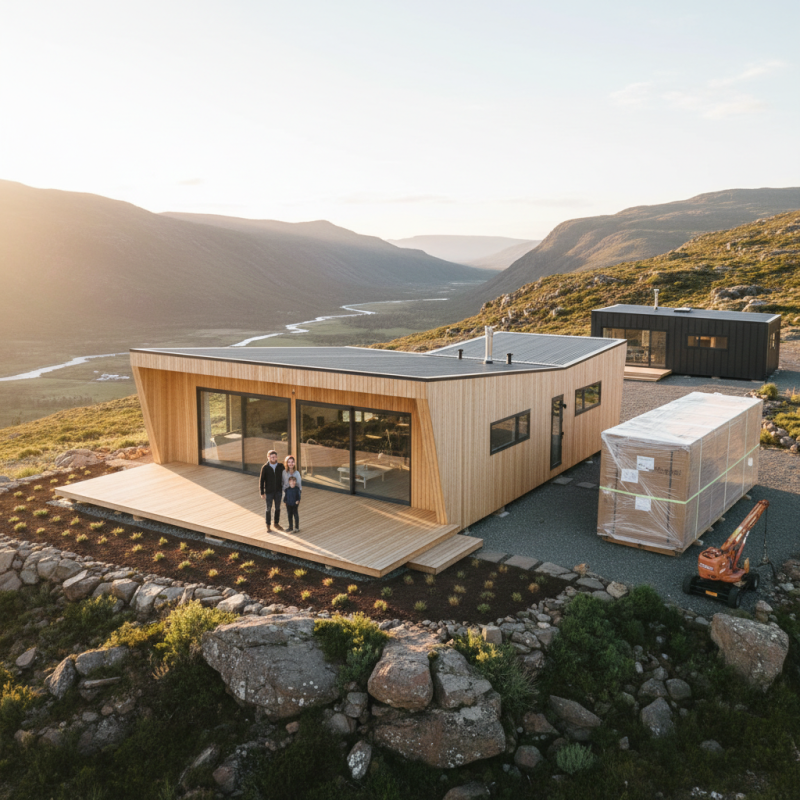
Benefits of Cost Efficiency in Flat Pack Housing for Buyers
Flat pack housing offers significant cost efficiency for buyers, making it an attractive option in today's real estate market. These homes are pre-manufactured, allowing for reduced labor costs during assembly. This streamlined approach cuts down on time and expenses, ultimately leading to lower prices for buyers. In many cases, owners can save thousands compared to traditional construction methods.
Another aspect to consider is the sustainability factor. Flat pack homes are often designed with eco-friendly materials. This means lower energy costs in the long term. Buyers can also benefit from reduced waste during construction. However, the quality of materials can vary. It's essential for buyers to conduct due diligence about the materials used. Some manufacturers may compromise on quality to lower costs, potentially leading to future issues.
Buyers should also be aware of zoning regulations that may affect flat pack housing. Local building codes can differ significantly, which may add unexpected costs or delays. Understanding these factors is critical. Flat pack housing can be a financially sound decision, but it requires careful planning and research. Each buyer’s situation is unique, and weighing the pros and cons is vital for a successful investment.
Benefits of Cost Efficiency in Flat Pack Housing for Buyers
Reduced Construction Time: Quick Assembly Advantages of Flat Pack Homes
Flat pack housing offers buyers a unique advantage: reduced construction time. These homes are designed for quick assembly, allowing you to settle in faster than traditional builds. The components are prefabricated in factories. This means less time on-site and fewer delays due to weather or labor shortages. With a flat pack home, the wait for your dream house can be significantly shortened.
Quick assembly isn’t just about speed; it’s about efficiency. Less time spent building means lower labor costs. Many buyers appreciate this benefit, as it can lead to financial savings. However, this efficiency can sometimes cause oversights. Rushing through the assembly process may result in less attention to detail. Ensure that assembly is done properly and that all parts are accounted for before moving in.
Tips for a successful assembly: Include using a detailed instruction manual. Don’t skip any steps, regardless of time constraints. Engaging professionals for crucial connections is wise, especially for plumbing or electrical work. A second pair of eyes can catch what you might overlook. Always double-check your work. Building a home is substantial, and the effort invested in proper assembly pays off in the long run.
Sustainability and Eco-Friendly Materials Used in Flat Pack Housing
Flat pack housing is increasingly recognized for its sustainability. These homes utilize eco-friendly materials, significantly reducing their carbon footprint. A report by the World Green Building Council indicates that buildings account for nearly 39% of global carbon emissions. By choosing flat pack homes, buyers contribute to a more sustainable future.
Most flat pack houses are constructed using sustainable timber and recycled materials. This method helps preserve natural resources. For instance, engineered wood products use less timber overall, which minimizes deforestation. Additionally, many flat pack designs prioritize energy efficiency. This is crucial as energy-efficient homes can reduce utility bills by up to 30%, as per data from the U.S. Department of Energy.
Tip: When considering a flat pack home, focus on materials used in construction. Look for certifications that designate eco-friendly properties. This ensures your home meets strict environmental criteria. Implementing renewable energy solutions, such as solar panels, further enhances sustainability. Reflect critically on your purchasing choices; consider their long-term impact on the environment and community.
Customization Options: Tailoring Flat Pack Homes to Buyer Preferences
Flat pack housing offers numerous customization options that cater to varied buyer preferences. Buyers can choose layouts that suit their lifestyle. Whether it’s an open-plan design or separate rooms, flexibility is key. This allows families to create spaces that foster connection or provide privacy. Buyers can decide the number of bedrooms, bathrooms, or even outdoor areas. Every detail can be tailored, making homes truly unique.
The choice of materials also plays a significant role in customization. Different finishes, colors, and textures can enhance the home's appearance, allowing buyers to reflect their personality. Eco-friendly materials can even be selected, promoting sustainability. However, while many options exist, decision overload can be an issue. Buyers should ensure that their choices align with their lifestyle rather than merely following trends.
Involving professionals during the design process can help streamline decisions. Their expertise can guide buyers toward functional choices. This collaboration fosters a more satisfying experience. However, it’s essential to balance creativity with practicality. Ignoring building regulations can lead to future complications. Therefore, thoughtful consideration during customization is crucial for making the most out of flat pack housing.
Accessibility and Affordability: Making Homeownership More Attainable
Flat pack housing is revolutionizing the real estate market by making homeownership more accessible. These prefabricated homes are designed for quick assembly, which reduces construction time and costs significantly. Buyers can often see a dramatic drop in expenses compared to traditional homes. This affordability opens doors for young professionals and families who might be struggling with high property prices.
Moreover, flat pack homes offer customizable layouts and designs. This flexibility attracts buyers looking for unique spaces. However, it’s crucial to consider potential downsides. Some buyers may feel limited by the assembly process and design constraints. Additionally, the materials used can vary greatly in quality. It's vital to thoroughly research options and inspect units before committing. Balancing cost and quality is essential for a sustainable investment in flat pack housing.
FAQS
: Flat pack houses are recognized for their sustainability and use of eco-friendly materials.
These homes significantly reduce the carbon footprint, contributing to a more sustainable future.
Sustainable timber and recycled materials are often used, preserving natural resources.
Energy-efficient homes can reduce utility bills by up to 30%, making them economical.
Buyers can choose layouts, finishes, and eco-friendly materials tailored to their preferences.
Decision overload can occur, making it difficult to choose options that truly fit one’s lifestyle.
Professionals can guide decisions, ensuring choices are functional while balancing creativity and practicality.
Quick assembly and reduced construction costs make ownership attainable for young families and professionals.
Limited assembly choices and variable material quality can impact overall satisfaction.
Thorough research and unit inspections are essential to balance cost and quality for a smart investment.
Conclusion
Flat pack housing offers numerous advantages for buyers, making it an increasingly popular choice in the housing market. One of the primary benefits is cost efficiency, as flat pack homes typically require less expensive materials and labor, resulting in overall lower construction costs. Additionally, they boast a significantly reduced construction time; these homes can be assembled quickly, allowing buyers to move in sooner compared to traditional housing.
Sustainability is another key advantage, with many flat pack homes constructed using eco-friendly materials that minimize environmental impact. Buyers also appreciate the customization options available, allowing for personalized designs that cater to individual preferences. Furthermore, flat pack housing enhances accessibility and affordability, making homeownership more attainable for a broader demographic. In summary, when considering what are the advantages of flat pack housing, one can see that cost, time efficiency, sustainability, customization, and accessibility stand out as significant benefits for prospective homeowners.

 Goldy Homes