As the global housing market evolves, flat pack housing has emerged as a viable solution for many buyers. In recent years, industry reports indicate a growing interest in this innovative construction method. According to a report by McKinsey & Company, modular construction methods, including flat pack designs, could reduce building costs by up to 20%. This significant cost advantage is attracting a diverse range of international buyers looking for affordable housing options.
David Allen, an expert in modular construction, highlights the benefits succinctly: "Flat pack housing delivers efficiency and affordability without compromising quality." Understanding what are the advantages of flat pack housing reveals several key factors. These homes are typically quicker to assemble, reducing time spent on-site and minimizing labor costs. They also provide flexibility in design, allowing customization while maintaining energy efficiency standards.
However, while the benefits are clear, potential buyers must consider regional regulations and zoning laws. In some areas, restrictions may limit the suitability of flat pack housing. Addressing these challenges is essential for maximizing the advantages of this approach. The increasing popularity of flat pack homes underscores the need for informed decisions in an ever-changing market.
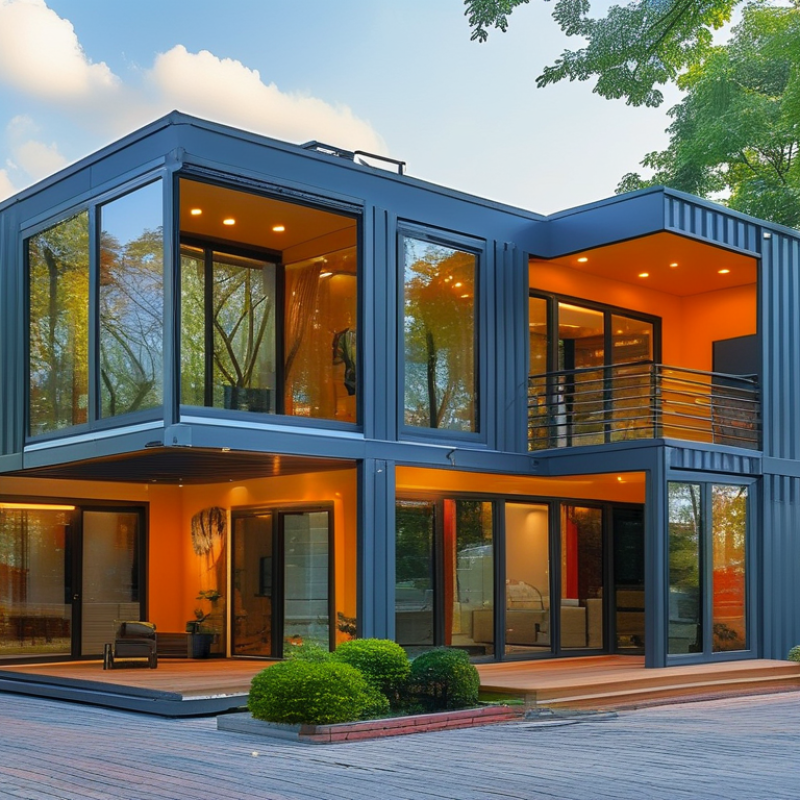
Understanding Flat Pack Housing: A Modern Solution
Flat pack housing represents a modern solution to many of today’s housing challenges. These homes are prefabricated, making them quick to assemble. Buyers can expect reduced construction time, often completing a home in just a few days. This efficiency often leads to cost savings. Potential homeowners can invest in stylish designs without breaking the bank.
One of the main attractions of flat pack housing is its environmental sustainability. Many units are built from eco-friendly materials. This approach reduces waste during construction. However, it’s essential to recognize that not all flat pack designs are equal in sustainability. Some may lack efficiency in energy use. It’s crucial for buyers to thoroughly research models that prioritize green living.
Customization is another appealing aspect. Buyers can choose layouts and sizes that fit their needs. Yet, this flexibility comes with challenges. Not all options may be available in every location. Understanding local regulations can avoid potential frustrations. Overall, flat pack housing is a promising option but requires careful consideration and exploration.
Advantages of Flat Pack Housing for Global Buyers
Cost-Effectiveness of Flat Pack Housing for Buyers
Flat pack housing is gaining traction for its cost-effectiveness among global buyers. According to recent industry reports, the average cost of traditional housing construction can exceed $150 per square foot. In contrast, flat pack homes can be priced as low as $85 per square foot. This significant difference offers an appealing option for those on tight budgets, especially in urban areas where housing costs are skyrocketing.
Moreover, the affordability of flat pack housing extends beyond initial purchase prices. The construction process is streamlined, reducing labor costs and time. For example, many flat pack homes can be assembled within days, compared to traditional builds that can take months. This rapid deployment can drastically lower total costs, as mentioned in a 2023 market analysis by the International Housing Federation.
While flat pack homes offer affordability, there are considerations. Not all designs cater to diverse personal needs or aesthetic preferences. Customization often comes at an additional cost. Buyers should weigh the benefits against potential limitations. Ensuring that a flat pack home aligns with long-term living expectations is crucial for informed decision-making. Balancing cost and personal satisfaction remains a challenge for many potential homeowners.
2026 Best Advantages of Flat Pack Housing for Global Buyers - Cost-Effectiveness of Flat Pack Housing for Buyers
| Advantage |
Description |
Cost Savings (%) |
Construction Time (Weeks) |
| Affordability |
Lower initial purchase and setup costs compared to traditional houses. |
20-30% |
8-12 |
| Sustainability |
Utilizes eco-friendly materials and practices, reducing carbon footprint. |
15-25% |
10-14 |
| Flexibility |
Easily customizable designs that can adapt to different needs and preferences. |
Varies |
6-10 |
| Portability |
Structures can be disassembled and relocated with ease, offering mobility. |
No direct cost savings |
Varies |
| Reduced Waste |
Manufacturing process minimizes waste materials, promoting efficiency. |
10-20% |
8-12 |
Time Efficiency in Assembly and Construction of Flat Pack Homes
Flat pack housing offers significant time efficiency in assembly and construction.
According to a report by the European Union, flat pack homes can reduce construction time by approximately 30%.
This means that what traditionally takes several months can be shortened to mere weeks.
A streamlined assembly process is one of the key benefits, enabling faster return on investment for buyers.
Moreover, the modular design of flat pack homes allows for easy transportation and quick setup.
Industry data shows that 70% of buyers prefer homes that can be delivered and erected swiftly.
This not only meets urgent housing needs but also allows for rapid deployment in emergency situations, such as natural disasters.
Despite the efficiency, challenges remain. The quality of construction can vary widely across manufacturers.
Some flat pack structures might face issues with insulation or stability if not built correctly.
Buyers should investigate different options carefully and seek reputable suppliers. Overall, while flat pack housing presents numerous time-saving advantages,
careful consideration is essential in ensuring long-term satisfaction.
Sustainability and Environmental Benefits of Flat Pack Housing
Flat pack housing offers significant sustainability and environmental benefits for global buyers. These structures are designed for efficiency. They often use fewer materials and generate less waste during production. According to a report by the International Society of Sustainability professionals, flat pack homes can reduce construction waste by up to 90%. This efficiency extends to transportation and logistics, as the modular nature allows for compact shipping.
The materials used in flat pack housing often emphasize sustainability. Many builders prioritize eco-friendly options such as recycled materials and non-toxic finishes. A 2022 study published in the Journal of Green Building noted that homes assembled using flat pack techniques have a 40% lower carbon footprint compared to traditional construction methods. However, the industry can still see improvements in sourcing local materials, which can further reduce environmental impact.
Despite these advantages, challenges remain. Some flat pack housing options may lack flexibility in design, limiting customization for buyers. Also, the reliance on standardized components can sometimes lead to misalignment in local climates or aesthetics. Therefore, while flat pack homes provide a promising solution for sustainable living, there is room for innovation and refinement in their development and design processes.
Design Flexibility and Customizability in Flat Pack Solutions
Flat pack housing is increasingly popular among global buyers due to its design flexibility and customizability. According to the 2021 Global Modular Construction Market report, the modular market is expected to grow by 6.5% annually through 2026. This trend highlights a shift in consumer preferences towards tailored living spaces. Flat pack solutions allow homeowners to choose their layouts, materials, and finishes. This adaptability is appealing to various lifestyles and needs.
In addition to flexibility, flat pack housing presents a significant opportunity for efficient use of space. A study by McKinsey notes that modular construction reduces building time by up to 50%. This efficiency is crucial for urban areas facing housing shortages. Buyers can opt for sustainable materials, enhancing environmental responsibility. However, the challenge remains in fully understanding local regulations to ensure compliance.
Despite the advantages, there are imperfections in flat pack housing. Some buyers may find it difficult to visualize the final product. Potential delays in delivery or assembly can also arise. Therefore, it is essential for consumers to weigh these factors carefully. Customization can lead to higher costs if not planned properly. Buyers should seek professionals who understand these nuances for a smoother experience.
FAQS
: Flat pack housing consists of prefabricated homes designed for quick assembly and efficient construction.
These homes can often be completed in just a few days, significantly reducing construction time.
They generally use eco-friendly materials, reducing waste and emissions during production, often by up to 90%.
Yes, buyers can choose layouts and sizes, but options may be limited based on location and regulations.
No, some designs may not be energy-efficient or environmentally friendly. Research is crucial for buyers.
Issues with construction quality, insulation, and stability can arise. Careful supplier selection is essential.
Their quick assembly makes them ideal for rapid deployment in urgent situations like natural disasters.
Yes, they often offer stylish designs without high costs, providing a good return on investment.
Builders often choose recycled materials and non-toxic finishes, but sourcing local options can enhance sustainability.
Yes, there's potential to innovate in design flexibility and explore more local materials for better environmental impact.
Conclusion
Flat pack housing has emerged as a modern solution for global buyers, offering numerous benefits that cater to various needs and preferences. One of the primary advantages is its cost-effectiveness, as these homes can be constructed at a fraction of the price of traditional housing, making them accessible to a wider audience. Additionally, the time efficiency in assembly and construction means that homeowners can reduce the time spent waiting for their homes to be completed.
Beyond financial savings and quick setup, sustainability is a key factor in the appeal of flat pack housing, as many designs are constructed with eco-friendly materials and processes. Furthermore, what are the advantages of flat pack housing in terms of design flexibility and customizability is evident; buyers can personalize layouts and finishes to suit their tastes and lifestyles. Overall, flat pack housing presents a viable option tailored to the modern world’s ever-changing demands.

 Goldy Homes