Top 5 Reasons Container Homes are Ideal for Long Term Living?

Time:2026-05-07 Author:Ethan
0%

Container homes have gained significant attention in recent years. One fundamental question persists: "are container homes suitable for long term living?" Experts in the field provide valuable insights. Lisa Johnson, a prominent architect specializing in sustainable housing, emphasizes, "Container homes can offer unique benefits for long-term habitation when designed thoughtfully."

The durability of shipping containers is a key factor. Made from weather-resistant steel, they withstand various environmental stresses. Additionally, they can be retrofitted for energy efficiency, making them a practical choice for eco-conscious individuals. Yet, potential residents must consider factors like insulation and ventilation. Without proper planning, issues may arise.

Moreover, costs can fluctuate. While the initial investment may be lower, additional expenses for land and utilities can add up. These considerations highlight the importance of careful planning. Overall, understanding the nuances behind container living is crucial. Exploring both the benefits and limitations can lead to informed decisions on whether "container homes are suitable for long term living.
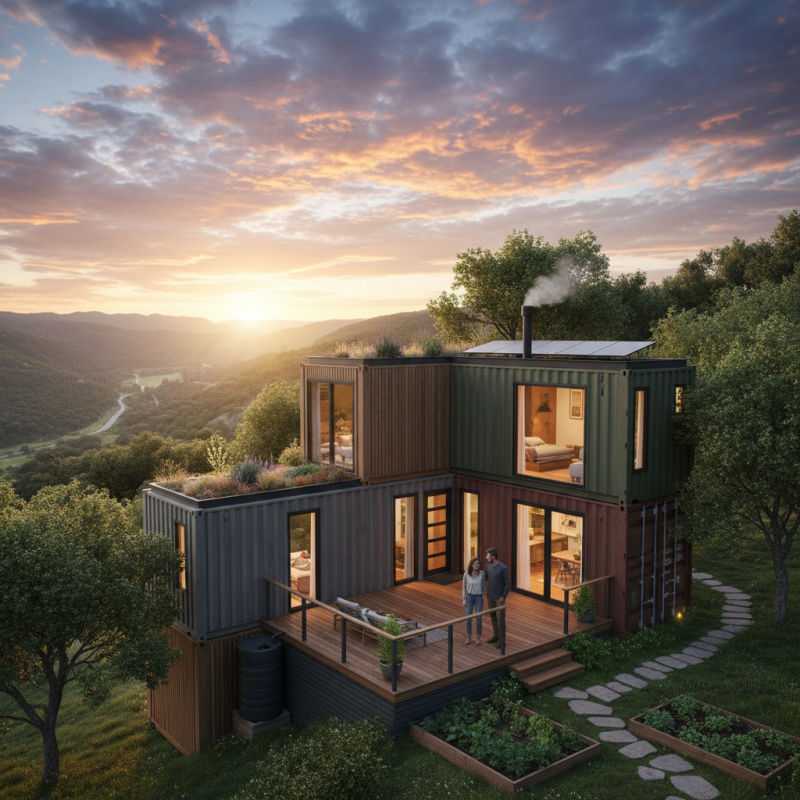
Top 5 Reasons Container Homes are Ideal for Long Term Living?

Benefits of Container Homes for Permanent Residences

Container homes offer a unique solution for permanent living. They are sturdy, built from steel, and can withstand harsh weather. Their modular design allows for flexibility in layout. This adaptability is a key factor for families needing to customize their spaces. Many people choose container homes for their durability and low maintenance needs.

Cost efficiency is another significant benefit. Building a container home often costs less than traditional housing. This can be a critical factor for first-time homeowners or those on a budget. However, it is essential to consider installation and site preparation costs. Many find these hidden expenses add up, leading to unexpected financial pressure.

Sustainability plays a role in the preference for container homes. They repurpose old shipping containers, reducing waste. However, not everyone may find the aesthetic appealing. There is a need to balance environmental benefits with personal taste. While many embrace the industrial look, others might see it as too stark. This contrast leads to ongoing discussions about what makes a home truly comfortable.

Cost-Effectiveness of Container Homes Compared to Traditional Housing

Container homes have gained popularity for their cost-effectiveness compared to traditional housing. These structures typically require lower investment and fewer resources. The initial cost of purchasing and transforming a shipping container is often much lower than building a conventional home. On average, a container home can save homeowners up to 30% on construction costs. This makes them an attractive option for budget-conscious buyers.

In addition to lower costs, container homes offer reduced maintenance expenses. Their durable materials stand up well against the elements, minimizing repair needs. Homeowners often find that utilities like heating and cooling are more efficient, leading to lower bills. Despite these benefits, some potential buyers hesitate due to perceived limits in design flexibility. While it is true that container homes may require creativity in layout, many find this challenge rewarding.

Energy efficiency is another financial benefit of container homes. Using innovative building techniques can reduce energy consumption. However, the initial conversion can require additional investment for proper insulation. Homeowners must weigh these upfront costs against potential long-term savings. For those willing to explore, container homes can be a sustainable and financially sound choice for long-term living.

Sustainability and Eco-Friendliness of Container Living

Container homes are gaining popularity for their sustainability and eco-friendliness. These structures repurpose shipping containers, reducing waste and promoting recycling. By choosing container living, you contribute to a circular economy. You also lower your carbon footprint. Less energy is required for heating and cooling these homes due to their design.

When considering container homes, think about the insulation. Good insulation reduces energy consumption. It’s essential for maintaining a comfortable living environment. Utilize eco-friendly materials for insulation. This choice enhances both energy efficiency and environmental impact.

Be mindful of water usage. Implementing a rainwater harvesting system is a great tip. It not only conserves water but also lowers utility bills. Additionally, consider incorporating solar panels. They offer a renewable energy source and further decrease reliance on non-renewable resources. Container homes can be both sustainable and stylish with thoughtful design choices.

Design Flexibility and Customization Options for Container Homes

Container homes offer remarkable design flexibility. The steel structures serve as a blank canvas. Homeowners can reshape spaces to fit personal needs. Open floor plans allow for creativity. Multiple containers can be combined. This creates larger spaces for family living.

Customization options are vast. From minimalist designs to elaborate interiors, choices are endless. You can choose exterior finishes based on local climate conditions. Some owners like to add large windows for natural light. Others prefer a cozy, enclosed feel.

However, the process may not be straightforward. Not every design works well with container homes. Structural integrity is crucial. Potential homeowners must consult experts to avoid pitfalls. It's essential to balance aesthetic desires with practical considerations. This thoughtful approach ensures your container home is both functional and beautiful.

Top 5 Reasons Container Homes are Ideal for Long Term Living

Reason Description Benefits
Design Flexibility Container homes can be easily modified and adapted to various styles, sizes, and layouts. Allows personalization and creativity in design.
Cost-Effective Using shipping containers can significantly reduce construction costs compared to traditional homes. Affordable option for long-term living without compromising quality.
Eco-Friendly Reusing old shipping containers helps reduce waste and promotes sustainability. Contributes to environmental conservation efforts.
Durability Containers are built to withstand harsh weather conditions, making them long-lasting structures. Less maintenance needed over time due to durability.
Modular Options Container homes can be combined and stacked to create larger living spaces. Scalable living solutions that can grow with your needs.

Durability and Low Maintenance Requirements of Container Structures

Container homes are known for their durability. Made from robust steel, these structures withstand harsh weather conditions. They resist fire, rot, and pests better than traditional homes. This makes them a reliable choice for long-term living. The materials used are also eco-friendly, contributing to sustainability.

Low maintenance is a significant benefit of container homes. Their exterior requires minimal upkeep compared to wood or brick homes. A simple wash occasionally keeps them looking fresh. While it’s easy to think these homes need no care, some owners overlook the importance of regular inspections. Rust can occur if water pools around the structure. Vigilance is key to ensuring a long-lasting home.

Container homes offer flexibility in living arrangements. They can be easily modified for different needs and tastes. However, this flexibility can lead to design errors. Some owners might rush renovations, which can compromise structural integrity. Balancing creativity with careful planning is vital. As the trend of living in container homes grows, understanding these nuances is essential for a successful experience.

FAQS

: What are the main benefits of container homes?

: Container homes are sturdy, durable, and can withstand harsh weather conditions. They are flexible in layout and design.

How do container homes compare in cost to traditional homes?

They typically cost less to build, saving homeowners up to 30% on construction expenses.

Are there hidden costs when building a container home?

Yes, costs for installation and site preparation can add up, creating financial pressure for buyers.

How do container homes contribute to sustainability?

They repurpose old shipping containers, which reduces waste and promotes eco-friendliness.

Is the design of container homes limiting?

Some buyers feel limited by design choices, but many find creative layouts rewarding and impactful.

Can container homes be energy efficient?

Yes, they can reduce energy consumption, but initial insulation investments may be necessary for long-term savings.

What about the aesthetic appeal of container homes?

While some embrace the industrial look, others may find it too stark, sparking conversations about comfort in design.

Do container homes require high maintenance?

No, their materials are durable, leading to fewer repairs and lower maintenance expenses over time.

Are there challenges in customizing a container home?

Yes, the layout often requires creativity, which some may find challenging, yet rewarding in the end.

Who would benefit most from a container home?

First-time homeowners or those on a budget may find container homes appealing due to lower costs and flexibility.

Conclusion

Container homes offer numerous advantages that make them ideal for long-term living. Their cost-effectiveness compared to traditional housing allows homeowners to save significantly on expenses while enjoying durable and low-maintenance structures. The sustainability and eco-friendliness of container living appeal to environmentally-conscious individuals, as these homes often utilize recycled materials and reduce carbon footprints.

Moreover, the design flexibility and customization options available with container homes enable owners to create personalized spaces that suit their needs and preferences. In summary, for those asking, "are container homes suitable for long term living," the answer is a resounding yes, given their affordability, environmental benefits, and adaptability.

Ethan

Ethan

Ethan is a seasoned marketing professional with a deep expertise in our company's innovative product line. With a passion for sharing knowledge and insights, he takes the lead in regularly updating our corporate blog, where he explores industry trends, product features, and effective marketing......