How to Control Contamination in Enclosed Environments Effectively?

Time:2026-05-25 Author:Liam
0%

Contamination in enclosed environments poses significant risks to health and safety. Understanding how to control contamination in enclosed environments is crucial for various industries. From laboratories to manufacturing facilities, the quality of air and surfaces must be maintained meticulously.

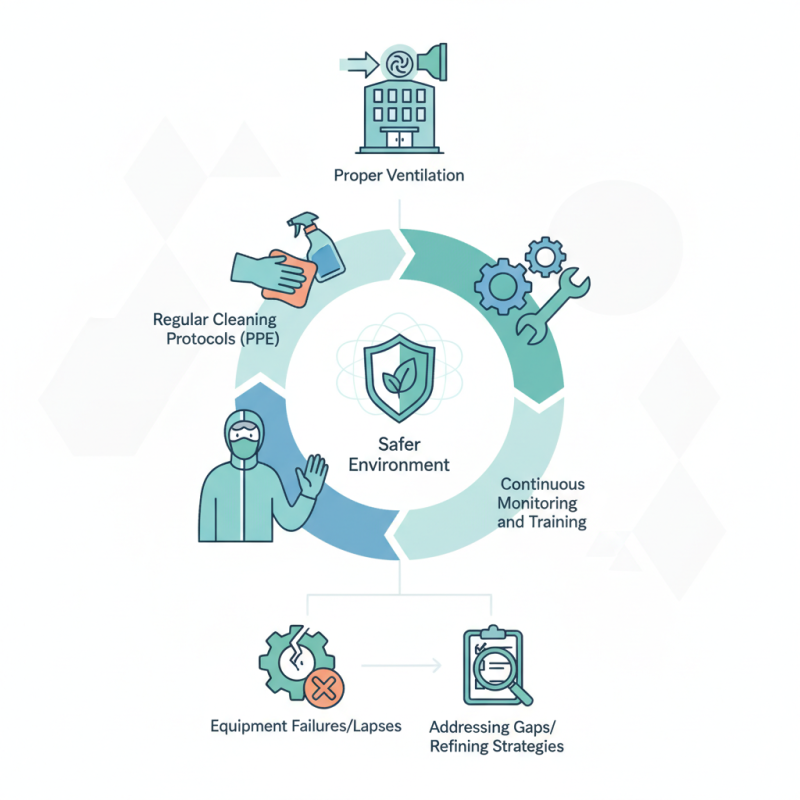
Effective contamination control requires a multifaceted approach. First, ensuring proper ventilation helps dilute airborne contaminants. Regular cleaning protocols can significantly reduce surface contamination. The use of personal protective equipment (PPE) is also vital, as it provides an additional layer of defense against exposure.

Despite best practices, challenges remain. Equipment failures or lapses in compliance can lead to contamination incidents. Continuous monitoring and training are necessary, yet they are sometimes overlooked. Addressing these gaps and refining strategies is essential to achieving a safer environment for all.
How to Control Contamination in Enclosed Environments Effectively?

Identifying Contaminant Sources in Enclosed Environments

Identifying contaminant sources in enclosed environments is crucial for maintaining air quality and ensuring safety. Contaminants can originate from various sources, including construction materials, office supplies, cleaning agents, and even occupants. Research indicates that indoor air can be two to five times more polluted than outdoor air. This underscores the necessity of understanding where these contaminants arise.

Effective monitoring can help identify specific contaminants. Data from reports suggest that volatile organic compounds (VOCs) from paints and adhesives are significant indoor pollutants. Carbon dioxide levels can also rise in crowded spaces, leading to fatigue and reduced cognitive function. Regular assessments can pinpoint these sources, allowing for targeted remediation strategies.

Tips: Frequent ventilation is vital. Open windows when possible. Employ air purifiers to reduce airborne particles. Small changes can lead to significant improvements. Engage building occupants in discussions about potential pollutant sources. Their insights can provide valuable information. Ultimately, the goal is to create a safe and healthy environment through proactive measures.

Assessing Air Quality and Particle Concentration Levels Using Sensors

Controlling contamination in enclosed environments is critical, especially in industries like healthcare and manufacturing. Effective air quality assessment relies heavily on sensors that measure particle concentration levels. Studies show that indoor air can be two to five times more polluted than outdoor air. This highlights the importance of robust monitoring.

Sensors can detect harmful particles, including PM2.5 and VOCs. These particles can negatively impact health and productivity. Regular checks on air quality can empower facility managers to respond swiftly to contamination risks. For instance, maintaining PM2.5 levels below 35 µg/m³ is essential to reducing respiratory issues.

Tips for effective monitoring:

- Invest in high-precision sensors for accurate readings.
- Regularly calibrate your equipment to ensure reliability.
- Analyze data trends to identify sources of contamination.

Stay aware that even sophisticated sensors may sometimes lack context. It's vital to interpret sensor data with a comprehensive understanding of the environment. Engage professionals for thorough assessments.

Air Quality and Particle Concentration Levels in Enclosed Environments

Implementing Effective Ventilation Systems for Contamination Control

In enclosed environments, effective ventilation systems play a crucial role in controlling contamination. According to the American Society of Heating, Refrigerating and Air-Conditioning Engineers (ASHRAE), proper ventilation can reduce indoor air pollutants by up to 50%. This is vital in settings like hospitals or laboratories, where airborne contaminants pose serious health risks.


Implementing a ventilation system involves careful design and monitoring. High-efficiency particulate air (HEPA) filters are commonly used to trap harmful particles. A study published in the Journal of Occupational and Environmental Hygiene highlighted that environments with HEPA filtration systems showed a 30% reduction in hazardous particles. However, maintaining these systems can be challenging, and failure to regularly inspect or replace filters can result in increased contamination levels.


Moreover, achieving balance in airflow is essential. An uneven distribution can lead to stagnant areas, where contaminants accumulate. Continuous monitoring of air quality metrics helps in making necessary adjustments. Various case studies demonstrate that consistent management of ventilation systems improves health outcomes significantly. Yet, it’s important to acknowledge the limitations and costs associated with maintaining high standards of ventilation. Regular evaluations and updates can ensure that systems remain effective over time.

Utilizing HEPA Filters and UV-C Light for Pathogen Elimination

In enclosed environments, controlling contamination is crucial. HEPA filters play a vital role in trapping airborne pathogens. These filters can remove particles as small as 0.3 microns, ensuring cleaner air. Regular maintenance is essential to maintain their efficiency. Clogged filters can become breeding grounds for bacteria and mold.

UV-C light is another powerful tool for pathogen elimination. This technology uses short wavelengths to disrupt microbial DNA. It targets viruses, bacteria, and fungi effectively. However, institutions must install UV-C systems correctly. Inadequate placement may lead to shadows where pathogens survive. The balance between light exposure and safety is a delicate one.

Despite advancements, no method is foolproof. Environmental factors can alter effectiveness. For example, humidity can reduce the performance of HEPA filters. Understanding these limitations is crucial. Continued monitoring and adjustments are necessary to improve air quality. Regular inspections help identify potential issues early on.

How to Control Contamination in Enclosed Environments Effectively?

Method Description Effectiveness (%) Recommended Use
HEPA Filters Removes 99.97% of particles as small as 0.3 microns from the air. 99.97 Ideal for hospitals, labs, and clean rooms.
UV-C Light Destroys the DNA of microorganisms, effectively neutralizing them. 99.99 Suitable for water treatment, air purification, and surfaces.
Regular Disinfection Utilizes chemical agents to kill pathogens on surfaces. 95.00 Best for high-touch surfaces in shared environments.
Air Scrubbers Filtration devices that remove airborne contaminants. 90.00 Useful in industrial and construction sites.
Negative Pressure Rooms Control airflow to prevent contamination spread from within. High efficacy depending on implementation. Critical for isolating infectious patients.

Regular Maintenance Protocols and Monitoring for Continuous Safety

Maintaining a contamination-free environment in enclosed spaces is crucial for health and safety. Regular maintenance protocols are essential in achieving this goal. Scheduled cleaning routines should be established to address dust, allergens, and potential pathogens. Use clear checklists to track these tasks. This ensures that no area is overlooked. In addition, personnel should be trained in proper cleaning techniques. They must understand the potential risks involved and how to mitigate them.

Continuous monitoring plays a vital role in preventing contamination. Air quality can be assessed with sensors that detect hazardous particles or gases. Visual inspections should be conducted frequently to identify visible signs of contamination. Facilities should consider implementing a reporting system for employees to communicate concerns. This feedback loop can highlight issues that may not be immediately visible.

It’s important to review protocols regularly. What worked last month may not be effective now. An adaptable approach allows for adjustments based on emerging challenges. Keep an eye on trends and patterns in contamination reports. This vigilance can foster a safer environment, but it also requires honest self-assessment. Could we have done better? The answers may provide valuable insights for future improvements.

FAQS

: What are common sources of indoor contaminants?

: Common sources include construction materials, office supplies, cleaning agents, and occupants themselves.

How much more polluted is indoor air compared to outdoor air?

Indoor air can be two to five times more polluted than outdoor air.

What is a significant indoor pollutant?

Volatile organic compounds (VOCs) from paints and adhesives are notable indoor pollutants.

How can carbon dioxide affect us in enclosed spaces?

High carbon dioxide levels can lead to fatigue and reduced cognitive function in crowded areas.

Why is frequent ventilation important?

Frequent ventilation can significantly improve indoor air quality and reduce airborne particles.

How can building occupants contribute to identifying pollutants?

Building occupants can provide valuable insights about potential pollutant sources in their environment.

What should regular maintenance protocols include?

Regular maintenance should include scheduled cleaning routines and proper training for personnel on cleaning techniques.

What role does continuous monitoring play in contamination control?

Continuous monitoring helps assess air quality and prevents contamination by detecting hazardous particles or gases.

Why is it important to regularly review cleaning protocols?

Regular reviews ensure that protocols remain effective and adapt to emerging contamination challenges.

How can feedback from employees enhance safety?

Implementing a reporting system allows employees to communicate concerns, highlighting issues that may be overlooked.

Conclusion

Effectively controlling contamination in enclosed environments is crucial for maintaining hygiene and ensuring the well-being of occupants. The first step involves identifying potential sources of contaminants, which can vary from equipment to human activity. Following this, assessing air quality and particle concentration levels using advanced sensors provides valuable insights into the environmental conditions that need to be addressed.

To mitigate contamination, implementing efficient ventilation systems is essential, as they help to circulate fresh air and reduce the concentration of airborne pollutants. Additionally, utilizing HEPA filters and UV-C light can significantly contribute to pathogen elimination, enhancing overall safety. Regular maintenance protocols and continuous monitoring are also vital to ensure that contamination control measures remain effective over time. By understanding how to control contamination in enclosed environments with these strategies, organizations can create safer and healthier spaces for their occupants.

Liam

Liam

Liam is a dedicated marketing professional with a profound expertise in the industry, where he excels at highlighting the unique advantages of our core products. With a keen understanding of market trends and consumer needs, Liam frequently updates our company’s professional blog, providing......