The lifespan of modular container structures is a topic of growing interest in construction and architecture. An industry expert, Dr. Emily Carter, states, “Understanding what influences the lifespan of modular container structures is vital for their sustainable use.” This brings us to a key question: what is the lifespan of modular container structures?
Several factors contribute to their durability. The quality of materials plays a crucial role. Steel containers, for example, can last over 25 years if maintained properly. Environmental conditions also impact longevity. Extreme weather may lead to corrosion or structural issues.
Moreover, the design and intended use affect lifespan as well. A well-designed modular container for residential use may need different considerations than one repurposed for storage. Studies show mixed results on durability, prompting further exploration. Reflection on these elements can guide better practices in construction.
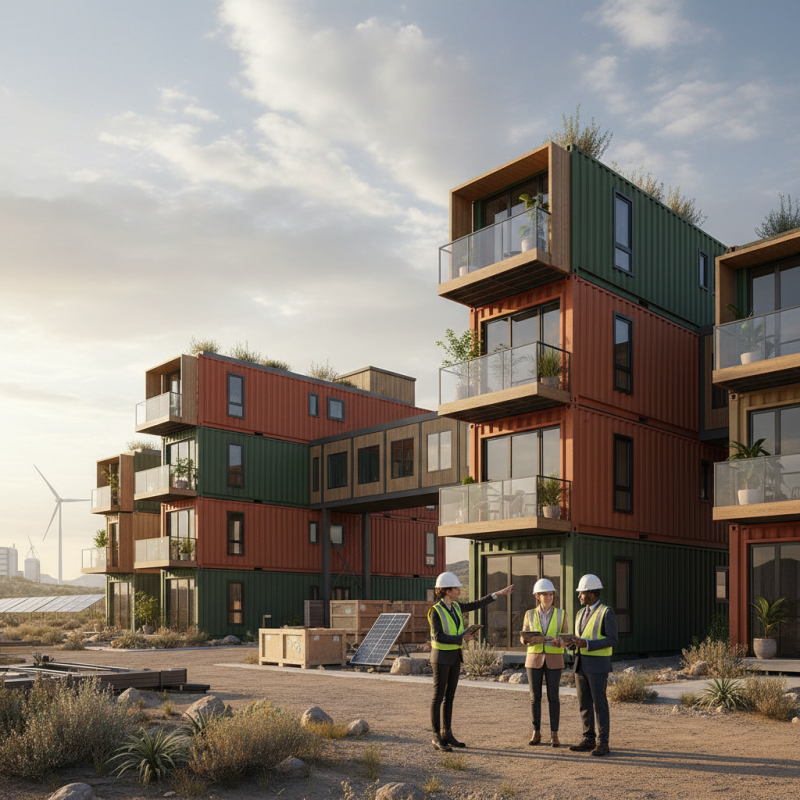
Factors Influencing the Lifespan of Modular Container Structures
The lifespan of modular container structures hinges on several critical factors.
Materials play a significant role; high-quality steel or aluminum can enhance durability.
Environmental factors, such as humidity and sunlight, can lead to wear and tear.
Regular maintenance helps identify potential issues early.
Tips: Inspect the structure regularly. Look for signs of rust or corrosion. Address minor issues before they escalate.
Weather conditions also impact lifespan. Harsh climates accelerate deterioration. Using protective coatings can mitigate damage.
Another key factor is design integrity. Well-planned designs ensure better airflow and insulation.
Poor designs can lead to structural weaknesses. Additionally, the intended use affects longevity.
Mobile units may experience more stress than stationary ones.
Tips: Choose designs tailored to your needs. Consult experts to optimize structural choices.
Always consider potential overloading risks. Regular usage can expose weaknesses, unless managed carefully.
Balancing these elements contributes heavily to the overall lifespan of container structures.
Material Durability and Its Impact on Container Longevity
When considering the lifespan of modular container structures, material durability is a key factor. The choice of materials directly affects how long these containers will last. Steel, for example, is strong but can corrode over time. Environmental factors, like humidity and salt exposure, accelerate this process. Regular maintenance can extend the life of a container, yet many overlook this aspect.
Tips: Use weather-resistant coatings to protect against corrosion. Regularly inspect containers for signs of wear. Identify and replace damaged sections quickly.
Selecting the right materials also involves understanding their performance in varying conditions. Reinforced materials are more resilient but may be heavier and costly. Balancing strength with weight is crucial. It’s important to assess how often the structure will be moved or modified, as this impacts wear and tear. The initial investment can lead to greater savings in the long run.
Tips: Curate a maintenance schedule based on usage. Keep records of materials used and any repairs made. This helps in evaluating overall durability.
Environmental Considerations Affecting Container Structure Lifespan
The lifespan of modular container structures can be significantly influenced by environmental factors. Conditions such as humidity, temperature fluctuations, and exposure to sunlight all play a crucial role in determining durability. A study by the International Journal of Environmental Science found that proper insulation and weatherproofing can increase a container’s life by up to 30%. This underscores the importance of choosing appropriate materials for your container.
Corrosive environments, particularly those near saltwater, pose additional challenges. Salt can lead to rust accumulation and paint degradation. According to the Corrosion Prevention Association, unprotected steel can lose up to 30% of its mass within five years in these conditions. Regular maintenance is key. Monitoring for signs of corrosion can help extend the life of your structure.
**Tip:** When setting up a modular container, consider the location's climate. Use coatings specifically designed for your region.
Also, anticipate potential flooding or water damage in areas prone to heavy rainfall. Elevating containers or using waterproof seals can be effective.
**Tip:** Regular inspections after severe weather can reveal underlying issues early.
How to Determine the Lifespan of Modular Container Structures? - Environmental Considerations Affecting Container Structure Lifespan
| Factors Affecting Lifespan |
Impact Rating (1-5) |
Average Lifespan (Years) |
Mitigation Strategies |
| Corrosion |
4 |
15 |
Protective coatings, regular maintenance |
| Weather Exposure |
5 |
10 |
Insulation, windbreaks |
| Foundation Quality |
4 |
20 |
Regular inspections, proper installation |
| Usage Frequency |
3 |
12 |
Scheduled downtime for maintenance |
| Transportation Conditions |
3 |
8 |
Use of protective transport cases |
Maintenance Practices to Extend the Life of Modular Containers
Maintaining modular containers is vital for extending their lifespan. Regular inspections help identify issues early. Look for signs of wear, rust, and structural damage. Addressing these problems promptly can prevent further deterioration. Each container's environment impacts its longevity. For instance, coastal areas may accelerate corrosion due to salt exposure.
Cleaning is an essential practice. Remove debris and dirt regularly. Use gentle cleaners to avoid damaging the surface. Additionally, consider seasonal adjustments. In colder climates, insulation might be necessary. Insulated containers can prevent freezing and moisture build-up.
Investing time in proper maintenance leads to better results. Neglect may lead to costly repairs. Equipping containers with protective coatings is another wise choice. These coatings can shield against weather elements. While this may seem expensive initially, it pays off in the long run. Regular maintenance routines are crucial for maximizing the life of modular container structures.
Assessment Methods for Evaluating Container Lifespan and Performance
Evaluating the lifespan of modular container structures requires a careful approach. Start by assessing the materials used in their construction. For instance, steel containers may last decades, while wood may deteriorate quickly in damp environments. Environmental conditions play a substantial role in lifespan. Containers in extreme climates might experience faster wear due to rust and corrosion.
Next, consider the usage patterns of the container. Heavy usage can lead to more wear and tear. Regular inspections are crucial. Look for cracks, rust, or other signs of structural failure. Document any repairs made over time. Keeping a log helps identify patterns and potential weaknesses.
Finally, engage with experts in the field for deeper insights. Their experience can shed light on common issues and maintenance practices. This shared knowledge is invaluable. Reflecting on these assessments can reveal areas for improvement. It’s essential to remain vigilant about the overall condition and make necessary adjustments to extend the lifespan of these structures.
FAQS
: High-quality steel or aluminum significantly improves the lifespan of these structures.
Humidity, sunlight, and temperature fluctuations can lead to wear and tear.
Inspect for rust or corrosion and address minor issues promptly.
Yes, harsh climates can accelerate deterioration and impact overall longevity.
Well-planned designs improve airflow and insulation, reducing risks of weaknesses.
Mobile units may experience more stress compared to stationary units, affecting durability.
Proper insulation can increase a container's lifespan by up to 30%.
Locations near saltwater require protective coatings to prevent rust and damage.
Water damage can occur, so elevating containers may offer protection.
Conduct inspections to identify any potential issues caused by the weather.
Conclusion
Determining the lifespan of modular container structures is influenced by several key factors. Material durability plays a critical role, as the type of materials used can significantly impact the longevity of the containers. Additionally, environmental considerations, such as climate and exposure to harsh conditions, can affect the structural integrity over time. Regular maintenance practices are essential to extend the life of these modular containers, ensuring they remain functional and safe.
To effectively assess what is the lifespan of modular container structures, various evaluation methods can be employed. These include visual inspections, structural assessments, and performance monitoring techniques. By understanding the interplay between these factors, stakeholders can make informed decisions regarding the use, maintenance, and overall lifecycle management of modular container structures.

 Goldy Homes