When exploring the construction world, the terms "modular" and "prefabricated housing" often arise. According to John Smith, a leading expert in sustainable building practices, "Both types of housing offer incredible efficiency, but their approaches are quite different." This raises the question: what is the difference between modular and prefabricated housing?
Modular housing involves constructing sections of a home in a factory. These sections are then transported to the site for assembly. In contrast, prefabricated housing typically consists of components that are fabricated off-site. Builders then piece these together on location. Understanding these distinctions helps potential homeowners make informed decisions.
As the demand for efficient housing rises, knowing the nuances is essential. Modular homes usually provide greater customization options. They’re built to specific plans. Prefabricated homes may offer quicker assembly but could lack design flexibility. It's important to reflect on which choice aligns with your needs and lifestyle.
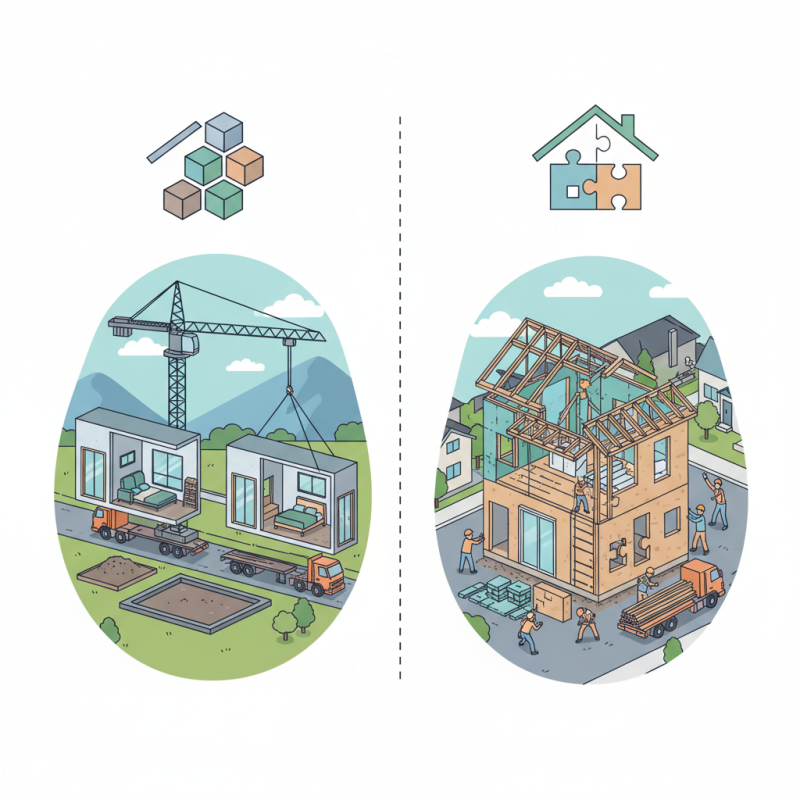
Modular housing is a construction method that involves creating sections or modules of a house in a factory setting. These modules are then transported to the building site for assembly. This approach allows for quicker construction times and often leads to lower costs. Each module is built to strict quality standards, ensuring durability and safety.
One compelling aspect of modular housing is its adaptability. Modular homes can be customized to a great extent. Buyers can choose layouts, sizes, and finishes. However, this flexibility may lead to decision fatigue. It's essential to balance personal preferences with practical considerations, such as budget and space.
Despite its advantages, some still view modular housing skeptically. Misconceptions exist about quality and aesthetics. In reality, with technological advancements, these homes can rival traditional houses in design and efficiency. The growing trend towards sustainability also supports modular housing. Many manufacturers prioritize eco-friendly materials and energy-efficient designs, reflecting a shift in modern living values.
: Prefabricated housing consists of homes built in sections at a factory and assembled on-site. It speeds up construction.
They often have quicker construction times and lower costs compared to traditional building. Waste is minimized.
Some owners face issues with insulation and energy efficiency. It's important to assess these aspects.
Evaluate materials used in construction. Understanding material quality influences long-term satisfaction significantly.
Modular homes are built in sections at a factory, while prefabricated homes can include various components.
Yes, modular homes must abide by local standards, which may allow access to traditional mortgage options.
Inquire about warranty options before purchasing. A strong warranty is crucial for future security.
Check local zoning regulations, as not all areas permit prefabricated structures. This research is essential.
Modular homes typically offer more customization options. Prefabricated homes may have limited design flexibility.
Yes, choosing a reputable company is vital. Their credibility can impact your overall experience and satisfaction.
When exploring "what is the difference between modular and prefabricated housing," it is essential to understand the definitions of each. Modular housing refers to homes built in sections, or modules, that are constructed off-site and then transported to the final location for assembly. In contrast, prefabricated housing encompasses a broader category of homes that are partially or completely manufactured in a factory setting before being delivered to the site.
Key differences lie in construction methods, regulatory requirements, and assembly processes. Both types of housing offer unique advantages and disadvantages. Modular homes often boast faster construction times and predictable costs, while prefabricated homes can cater to various designs and budgets. However, modular housing may be subject to more building codes, impacting flexibility. Understanding these distinctions helps potential homeowners make informed decisions based on their needs and preferences.

 Goldy Homes