How to Ensure Clean Room Construction Standards Are Met?

Time:2026-05-16 Author:Isabella
0%

Clean rooms are essential in many industries, ensuring the highest standards of cleanliness and control. The construction of these clean environments must adhere strictly to established guidelines. Knowing what are the standards for clean room construction is crucial for compliance. These standards dictate everything from air quality to material choices.

Constructing a clean room involves careful planning and execution. It requires specialized knowledge and expertise. Using improper materials or overlooking crucial details can lead to significant issues. Every aspect, including wall finishes and air filters, plays a vital role in maintaining cleanliness.

However, challenges persist in achieving optimal standards. Flaws may arise in design or implementation, which can affect air purity and environmental control. Understanding these pitfalls is essential for professionals in the field. Continuous reflection on practices and technologies ensures ongoing compliance and improvement in clean room construction.
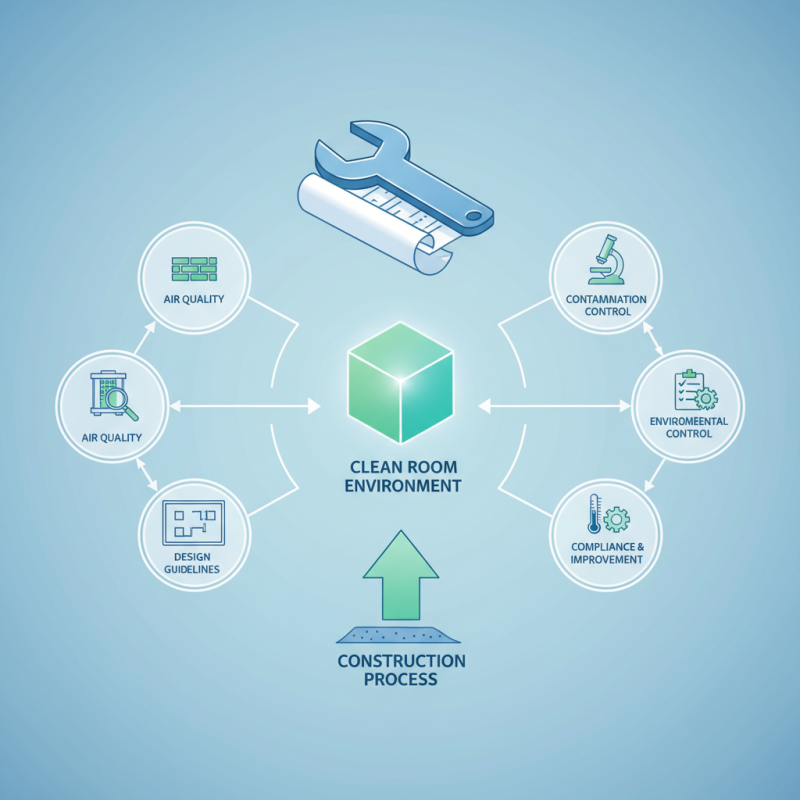
How to Ensure Clean Room Construction Standards Are Met?

Understanding Clean Room Standards and Regulations

Clean room standards and regulations are crucial for industries like pharmaceuticals and electronics. They define the acceptable levels of contaminants in controlled environments. Understanding these standards ensures the integrity of product quality. Each clean room must meet specific criteria based on its intended use.

Compliance with standards such as ISO 14644 is essential. This standard outlines classifications based on particle count. Regular monitoring and testing must be part of the protocol. A clean room experiencing frequent contamination issues needs evaluation. Factors like personnel behavior and equipment maintenance may need scrutiny. Layout and airflow design can also affect cleanliness.

Training is fundamental. Workers should be educated about proper gowning techniques. They must also understand the significance of minimizing movement. Challenges often arise, such as inconsistent adherence to protocols. Regular audits can help identify gaps in compliance. It is vital to create a culture of cleanliness within the organization. A proactive approach can prevent costly contaminations and ensure standards are maintained effectively.

How to Ensure Clean Room Construction Standards Are Met?

Dimension Standard Compliance Requirement Measurement Method
Air Cleanliness ISO 14644-1 Class 100 Airborne Particle Count
Temperature ISO 14644-2 18 - 24°C Thermometer Calibration
Relative Humidity ISO 14644-3 30% - 60% Hygrometer Verification
Airflow Velocity ISO 14644-4 0.45 m/s ± 20% Velocimeter Check
Surface Cleanliness ISO 14644-6 Class 1 Surface Swab Testing
Lighting ISO 14644-5 ≥ 300 Lux Lux Meter Measurement

Key Components of Clean Room Construction

Ensuring clean room construction standards is crucial in various industries, especially pharmaceuticals and electronics. Key components play a vital role in this process, influencing cleanliness and environmental control.

One critical aspect is the selection of materials. Non-porous, easy-to-clean surfaces help prevent contamination. According to a report by the International Society for Pharmaceutical Engineering, over 70% of contamination issues stem from the materials used in clean room environments. Choosing appropriate finishes can drastically reduce this risk.

Another essential component is the HVAC system. A well-designed heating, ventilation, and air conditioning system maintains air quality. It should filter airborne particles and control humidity and temperature. Studies indicate that up to 50% of clean room failures are linked to inadequate HVAC performance. Regular maintenance and monitoring are necessary to address potential issues proactively.

Incorporating strict protocols for personnel and equipment entry is also vital. Training staff on proper gowning procedures can minimize human error. The National Institutes of Health emphasizes that over 60% of contamination events are caused by improper practices. Reflecting on these elements enhances the integrity of clean room operations. By acknowledging potential flaws, industries can ensure higher standards.

Best Practices for Clean Room Design and Layout

When designing a clean room, the layout plays a crucial role. Prioritize workflow to minimize contamination risks. Place critical equipment and materials in areas with easy access. Use walls and partitions to create designated zones. This helps maintain air pressure differentials, which is essential for particle control.

Proper air filtration systems must be integrated into the layout. High-Efficiency Particulate Air (HEPA) filters are common, but ensure their placement minimizes airflow disruptions. Consider the direction of airflows carefully. Unintended air currents can carry particles. Reflect on how the layout can promote a smooth process, but don’t overlook potential bottlenecks.

Lighting is another essential element. Use bright, even lighting to improve visibility and safety. Avoid shadows where contamination may hide. Ensure that light fixtures are easy to clean and resistant to contamination. Regular inspections help identify areas needing improvement in design and layout. Clean room design is not just about adherence to standards; it's an ongoing process of refinement.

Essential Materials and Equipment for Clean Room Compliance

Clean rooms are essential in many industries, particularly in pharmaceuticals and electronics. The right materials and equipment play a crucial role in maintaining compliance with clean room standards. One must focus on high-efficiency particulate air (HEPA) filters, durable flooring, and non-porous surfaces that promote cleanliness and control contamination.

Choosing suitable materials can be challenging. Manufacturers often provide various options, but not all are appropriate for clean room environments. For example, the selection of wall and ceiling materials must consider ease of cleaning and resistance to microbial growth. Additionally, specialized clothing, such as gowns and gloves, must be used to minimize particulate shedding from personnel.

Monitoring equipment also deserves attention. Continuous monitoring of air quality and particle counts ensures compliance with established standards. However, maintaining this equipment can be overlooked, leading to issues. Regular calibration and prompt repairs or replacements are necessary but often neglected. Keeping track of maintenance schedules can become burdensome but is vital in a clean room environment.

Methods for Verifying Clean Room Performance and Cleanliness

Clean room performance and cleanliness are crucial for various industries, including pharmaceuticals and electronics. Maintaining strict standards is essential for product quality and safety. Regular monitoring helps ensure these standards are met effectively.

To verify clean room performance, use appropriate equipment for particulate monitoring. Utilize optical or laser-based particle counters to measure airborne contamination. Routine checks should occur at different times to gather a broader dataset. Don't rely solely on visual inspections; these can be misleading.

Tips for maintaining cleanliness include training personnel rigorously. Ensure all team members understand contamination control. Implement protocols for gowning and entering clean areas. Regularly audit compliance with these protocols. Documentation of procedures and outcomes is also vital. This effort builds a culture of accountability and cleanliness within the team.

An important aspect is the flexibility of verification methods. Technologies evolve, and processes may need adjustments. Keeping an eye on industry best practices helps you refine your strategies. Reviews and reflections on past performance can highlight areas needing improvement. Embracing these adjustments ensures the clean room continuously meets high standards.

Clean Room Performance Metrics

This bar chart illustrates the cleanliness levels and performance metrics of clean rooms as per standard protocols. The data shows different cleanliness classes (ISO 5, ISO 6, ISO 7) and their corresponding particle counts per cubic meter.

FAQS

: What are clean room standards and why are they important?

: Clean room standards set acceptable contamination levels. They ensure product quality in industries like pharmaceuticals and electronics.

How often should clean rooms be monitored?

Regular monitoring is essential. Routine checks help ensure compliance with clean room standards.

What training do workers in clean rooms need?

Workers should be trained on gowning techniques and minimizing movement. Understanding protocols is crucial for cleanliness.

How can layout affect clean room cleanliness?

A well-planned layout minimizes contamination. Place critical equipment in accessible zones to enhance workflow and reduce risks.

What role do air filtration systems play?

Air filtration systems are vital. Proper placement of filters prevents airflow disruptions and controls particle levels effectively.

What are some common challenges in maintaining clean rooms?

Challenges include inconsistent protocol adherence and personnel behavior. Regular audits can reveal compliance gaps needing attention.

Why is lighting important in clean rooms?

Proper lighting improves visibility and safety. Avoid shadows where contamination can hide. Easy-to-clean fixtures are ideal.

How can clean room performance be verified?

Use particle counters for monitoring. Routine checks at varied times gather comprehensive data beyond visual inspections.

What should be documented in clean room procedures?

Documentation of procedures and outcomes is essential. It promotes accountability and a culture of cleanliness within the team.

Why is reflection on past performance important?

Reflection helps identify areas needing improvement. Embracing adjustments ensures the clean room meets high standards consistently.

Conclusion

In order to ensure that clean room construction standards are met, it is crucial to understand what are the standards for clean room construction, including various regulations that govern the industry. Key components such as air filtration, humidity control, and surface cleanability play vital roles in compliance.

Best practices for clean room design and layout involve strategic planning to minimize contamination risks and enhance workflow efficiency. Selecting essential materials and equipment is equally important to maintain cleanliness and meet regulatory standards. Finally, implementing effective methods for verifying clean room performance, such as routine monitoring of particle counts and airflow patterns, guarantees that the environment remains compliant with necessary cleanliness standards. By following these guidelines, facilities can achieve optimal clean room conditions.

Isabella

Isabella

Isabella is a dedicated marketing professional with a sharp focus on driving brand growth and engagement through strategic content creation. With an extensive background in digital marketing, she combines her passion for storytelling with her keen understanding of industry trends to deliver......