Container buildings have gained popularity due to their unique design and affordability. However, ensuring their structural safety remains a critical challenge. This article explores how to ensure structural safety in container buildings. Understanding the materials and construction methods is essential.
Container structures must withstand various environmental stresses. Factors like wind, seismic activity, and snow loads can impact their stability. Engineers must assess these risks carefully. Using high-quality materials is vital for safety. The right insulation and ventilation also play roles in maintaining structural integrity.
Building codes vary greatly across regions. Adhering to local regulations is crucial. However, some builders may overlook these standards. This oversight can lead to significant safety issues. Proper training and skilled labor are necessary to implement best practices. Reflecting on past failures can guide current designs. Ultimately, structural safety in container buildings requires a comprehensive and thoughtful approach.
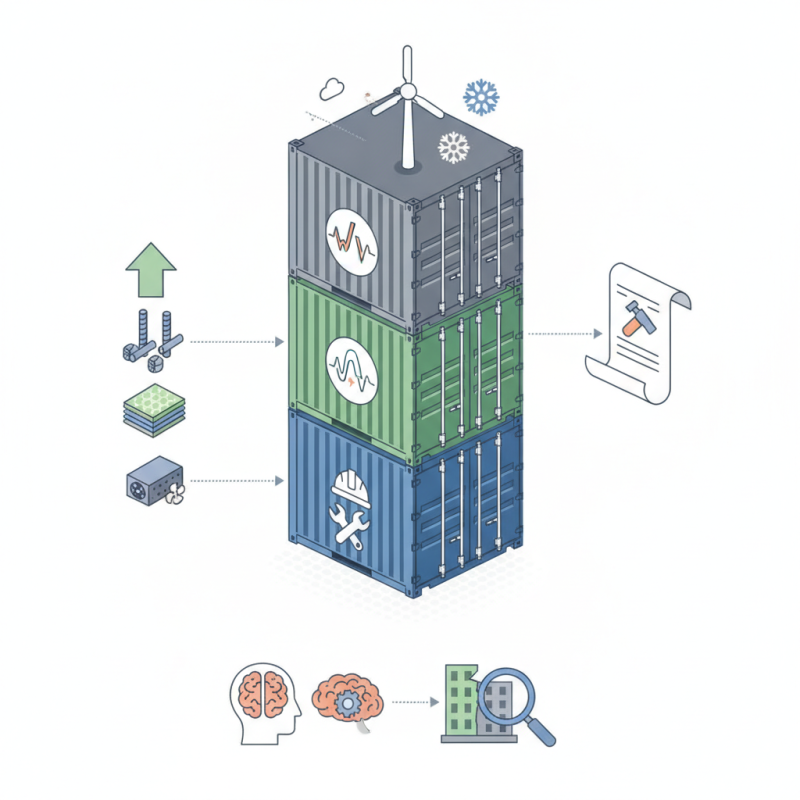
Understanding Structural Safety in Container Buildings
Understanding structural safety in container buildings requires careful consideration of design and materials. These buildings often use repurposed shipping containers, which can be strong but may present unique challenges. The structure must endure varied weather conditions and external stresses. Engineers need to assess the container’s resilience against forces like wind and seismic activity.
Another important aspect is the connection between containers. Poor connections can weaken the overall structure. Using appropriate fasteners and reinforcements is crucial for maintaining integrity. Additionally, insulation and waterproofing can affect durability. If not properly installed, these can lead to mold or structural degradation over time.
Not all container buildings are built to the same standards. Some may be hastily constructed without sufficient expertise. Safety should always be a priority. Regular inspections and maintenance are essential parts of ensuring longevity. Awareness of potential issues enhances safety. It's important to question design choices and material selections throughout the lifecycle of the building.
Material Selection for Enhanced Durability and Stability
When constructing container buildings, selecting the right materials is crucial for ensuring their durability and stability. Research indicates that high-quality steel containers, for instance, perform significantly better in seismic zones. According to a study by the International Journal of Structural Engineering, the inherent strength of steel containers meets the stringent demands of modern architecture. However, if the coating is not high-grade, corrosion may occur over time.
Concrete is another common material that complements container structures. A report from the American Concrete Institute highlights how reinforced concrete can enhance overall building integrity. The combination of solid concrete and steel not only improves thermal insulation but also boosts fire resistance. Despite these advantages, improper mixing and curing can lead to structural weaknesses.
Additionally, the choice of insulation plays a pivotal role. Using spray foam can reduce thermal bridging, which helps maintain energy efficiency. However, its application requires skilled professionals. Poor installation could lead to moisture problems in the future. It highlights the need for careful planning and execution in the construction phase. Regular inspections and maintenance are also essential to identify potential issues before they escalate. Through strategic material selection and cautious oversight, the structural safety of container buildings can be significantly enhanced.
Design Considerations for Load-Bearing and Stress Distribution
Container buildings are gaining popularity for their versatility and cost-effectiveness. However, ensuring structural safety is critical, especially regarding load-bearing and stress distribution. Proper design considerations can prevent failures and enhance longevity.
One vital factor is understanding the load distribution across containers. According to a report by the International Journal of Structural Engineering, improper load distribution can lead to structural failure. When stacking containers, each layer must bear the correct load. This requires precise calculations of weight and stress levels. Thus, employing advanced modeling software can offer invaluable insights into potential stress points.
Tip: Always test materials under realistic loads. This ensures they meet safety standards.
Another key element is the integration of reinforcement techniques. Adding structural supports, such as steel frames, can enhance stability. Studies indicate that container buildings without proper reinforcements experience higher rates of damage in adverse weather. Reflecting on design choices is essential; overlooking reinforcements can lead to costly repairs.
Tip: Regular maintenance checks are critical. They help identify weak points before they become serious issues.
Construction Best Practices to Ensure Structural Integrity
Container buildings offer a modern approach to construction, but ensuring their structural safety is essential. According to a report from the International Organization for Standardization (ISO), approximately 30% of construction failures are linked to inadequate structural practices. Proper planning and execution can prevent serious issues.
To maintain structural integrity, adherence to best practices is critical. Structural engineers must conduct thorough assessments of materials used. The American Institute of Steel Construction (AISC) emphasizes the importance of rigorous inspection and quality control measures during the building process. These practices can dramatically reduce risks. Regular inspections during construction can help identify potential weaknesses early on.
Moreover, environmental factors cannot be ignored. Container buildings should be designed to withstand seismic activity and strong winds, with appropriate methods applied in design. The National Institute of Standards and Technology (NIST) suggests that buildings should be evaluated against local environmental data to ensure safety. While the innovative use of containers is appealing, it also presents unique challenges that must be addressed throughout the building process. Failing to do so may lead to unforeseen structural failures.
Structural Safety in Container Buildings
This bar chart illustrates the common structural safety practices and their importance in ensuring the integrity of container buildings.
Regular Inspection and Maintenance Protocols for Safety Compliance
Regular inspections are essential for maintaining the structural safety of container buildings. Trained professionals should conduct these assessments periodically. They check for signs of wear, corrosion, or any potential damage. Eyes trained in structural integrity can spot issues that others might miss. It’s not just about visual checks; tools and technology play a role too. Using advanced imaging devices can enhance the inspection process.
Maintenance protocols must be clear and consistent. Developing a checklist can help in evaluating critical components such as joints, reinforcements, and seals. Every minor detail matters, as neglecting even the smallest issues can lead to bigger problems. Regular maintenance also fosters a safety culture among occupants. They should be informed and involved in the upkeep process.
However, the implementation of these protocols can be challenging. Budget constraints often limit the frequency of inspections and maintenance. Additionally, training staff to recognize early signs of deterioration can be a slow process. Balancing safety compliance with financial realities requires ongoing commitment and awareness. It’s important to reflect on these challenges and continuously find better solutions.
FAQS
: Proper planning and execution are essential to prevent serious structural issues.
They should conduct thorough assessments of all materials used in the construction.
Regular inspections help identify potential weaknesses early and prevent future failures.
Advanced imaging devices can improve the accuracy of inspections beyond visual checks.
A checklist evaluating joints, reinforcements, and seals is vital to ensure comprehensive maintenance.
Budget constraints often hinder regular inspections and maintenance, requiring careful resource management.
Involving occupants in the maintenance process keeps them informed and engaged in safety.
Ignoring environmental considerations can lead to unforeseen structural failures in buildings.
Approximately 30% of failures are linked to inadequate structural practices and oversight.
Continuous reflection helps identify better solutions to improve safety compliance and practices.
Conclusion
Ensuring structural safety in container buildings involves a comprehensive approach that begins with understanding the various factors that contribute to structural integrity. Key to this process is the careful selection of materials that enhance durability and stability, along with thoughtful design considerations that address load-bearing and stress distribution. By employing best practices during construction, builders can significantly reduce the risk of structural failures, ensuring that the buildings can withstand environmental challenges.
Furthermore, implementing regular inspection and maintenance protocols is crucial for safety compliance. Continuous monitoring allows for the early detection of potential issues, enabling timely repairs and modifications. By focusing on these aspects, stakeholders can effectively understand how to ensure structural safety in container buildings, thereby creating resilient and long-lasting structures that meet safety standards and serve their intended purposes.

 Goldy Homes