Why Expand Modular Buildings for Future Global Procurement?

Time:2026-06-28 Author:Henry
0%

The rise of modular buildings presents a transformative opportunity in global procurement strategies. According to the Modular Building Institute, the modular construction market is expected to reach $157 billion by 2023. This growth is driven by rising demand for efficient and sustainable construction methods. However, industry professionals must consider how to expand modular buildings in the future to fully capitalize on this potential.

Sustainability remains at the forefront of modern construction. A study by McKinsey revealed that modular buildings can reduce waste by up to 90% compared to traditional methods. This efficiency not only benefits the environment but also significantly lowers costs. Yet, reliance on local suppliers can create challenges, particularly in global markets. Companies must adapt to local preferences and regulations while maintaining efficiency and quality.

As the market evolves, clarity is needed on the paths for expansion. Crafting a solid approach to global procurement is essential. Companies must also reflect on common pitfalls, such as misjudging market readiness. Understanding local dynamics will be critical for successful expansion. By focusing on these areas, the industry can reshape its future.
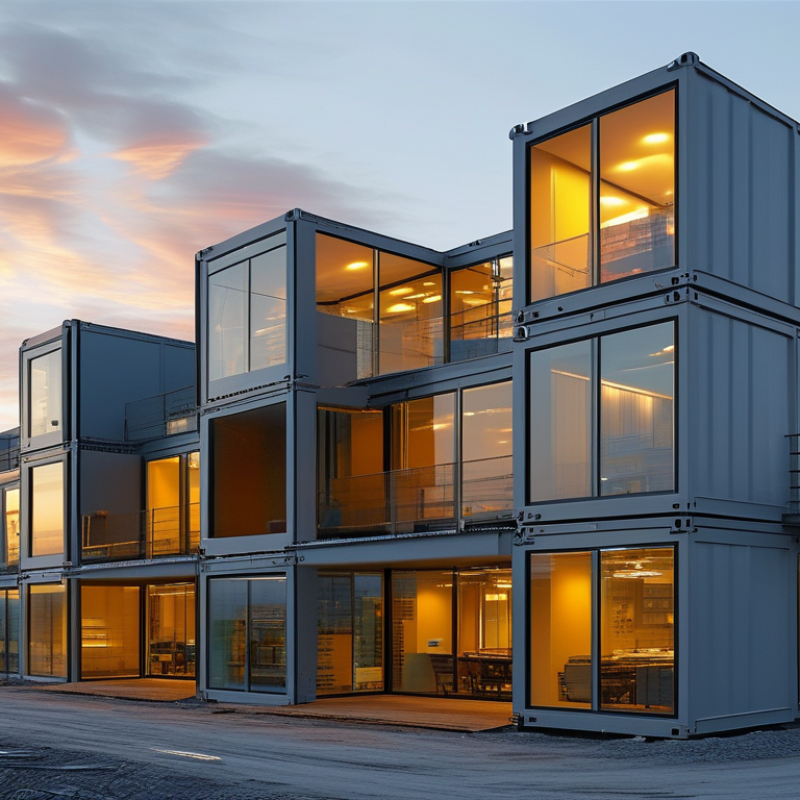
Why Expand Modular Buildings for Future Global Procurement?

Benefits of Modular Buildings in Streamlining Global Procurement Strategies

Modular buildings offer flexible solutions for global procurement. They can be designed off-site and quickly assembled on location. This process minimizes time and reduces costs significantly. Companies can adapt designs to meet local regulations and needs without starting from scratch. Furthermore, using modular units can accelerate project timelines, allowing for faster market entry.

Streamlining procurement strategies is crucial in today's competitive environment. Modular construction reduces waste and optimizes resources. By utilizing prefabricated elements, businesses can manage inventory better. However, coordination between various suppliers remains essential. Sometimes, miscommunication may lead to delays in delivery schedules. The reliance on local partners also presents challenges when standards vary between regions.

Risk management is vital when implementing modular strategies. There could be unforeseen costs related to logistics and installation. Adjusting to local construction practices can also be challenging. Companies should continuously evaluate their approaches. Embracing modular building techniques demands an understanding of both opportunities and potential pitfalls. By doing so, businesses can harness the full potential of global procurement.

Why Expand Modular Buildings for Future Global Procurement?

Dimension Benefit Impact on Global Procurement
Cost Efficiency Lower construction costs due to reduced labor and waste Enables procurement teams to allocate resources more effectively
Time Savings Faster project completion due to off-site construction Accelerates time-to-market for companies
Sustainability Utilizes eco-friendly materials and reduces carbon footprint Improves brand reputation and aligns with global sustainability goals
Flexibility Easily reconfigurable and expandable as needs change Facilitates dynamic scaling in global operations
Quality Control Consistent quality due to controlled factory settings Reduces risks in procurement of low-quality goods

Market Trends: Growth Projections for Modular Construction by 2025

Modular construction is rapidly evolving. By 2025, the global modular building market is expected to reach impressive heights. This growth is driven by demand for efficiency and cost-effectiveness. Builders and developers recognize that modular solutions save time and reduce waste. As urban areas expand, the need for innovative housing solutions becomes urgent.

Consumer trends show a preference for sustainable practices. Many modular buildings incorporate eco-friendly materials. This aligns with a rising demand for green building initiatives. Partnerships in the supply chain are crucial. They help streamline processes and enhance material sourcing. However, challenges remain. Not all regions embrace modular design equally. Regulations and local codes can impede progress.

Technological advancements play a key role in this industry shift. 3D printing and digital design are transforming how structures are planned. Yet, awareness and training are necessary. Not every company has the expertise needed. Investing in skills development can bridge this gap. The future looks promising, but collaboration is essential for navigating hurdles effectively.

Cost Efficiency: Analyzing Savings in Time and Labor through Modular Designs

Modular buildings are gaining traction in the global procurement landscape. One significant advantage lies in their cost efficiency. According to a report by McKinsey & Company, modular construction can reduce costs by up to 20%, primarily through time savings and optimized labor. This approach allows teams to work simultaneously on different project components, leading to accelerated timelines.

Labor costs also see a considerable reduction. A study by the National Institute of Standards and Technology (NIST) highlights that modular buildings can cut labor requirements by 30%. This is largely due to offsite fabrication, which minimizes on-site disruptions and enhances worker productivity. Fewer labor hours mean significant savings on labor expenses, providing a compelling reason for stakeholders to consider modular designs.

**Tip:** Consider the logistics of transporting modular units to your site. Poor planning can lead to delays and increased costs.

Investing in modular buildings also requires assessing potential challenges. Some projects may face regulatory hurdles or zoning restrictions. Conducting thorough research and engaging with local authorities early can mitigate these risks.

**Tip:** Leverage technology for better coordination. Advanced project management tools can help streamline communication among all parties involved.

Sustainability Impact: Eco-Friendly Advantages of Modular Building Techniques

Modular buildings are gaining traction as a sustainable solution in construction. These structures are prefabricated in controlled environments, leading to significant material waste reduction. This process minimizes the energy required for onsite construction, contributing to lower carbon footprints. Additionally, the use of eco-friendly materials in modular designs enhances sustainability.

When considering modular buildings for global procurement, reflect on the sourcing of materials. Opt for local suppliers to reduce transportation emissions. Also, assess the lifecycle of materials. The longevity of a building often determines its environmental impact. Educating clients on the benefits of modular buildings plays a vital role in driving this change.

For those new to modular construction, it's essential to understand its challenges. Sometimes, local zoning laws may complicate modular projects. Additionally, clients might have preconceived notions about traditional building methods. Engaging in open discussions can bridge these gaps. Emphasizing the environmental benefits, like energy efficiency, can sway opinions. By addressing these concerns, you can foster a more sustainable future.

Sustainability Impact: Eco-Friendly Advantages of Modular Building Techniques

Global Case Studies: Successful Implementations of Modular Solutions Worldwide

Modular buildings are increasingly being recognized for their efficiency and adaptability in global procurement. A study from McKinsey indicates that modular construction can reduce project delivery times by up to 50%. This shift is evident in various global case studies where modular solutions have led to successful outcomes. For instance, in Sweden, a modular project completed in just a few months provided 100 residential units to meet urgent housing demands. This rapid deployment not only addressed the housing crisis but also showcased the capabilities of modular construction.

In Canada, modular technology played a crucial role in healthcare. A report from the Canadian Council of Directors of Medical Services highlighted that modular construction allowed for the quick establishment of temporary hospitals during the COVID-19 pandemic. Structures that would typically take years to build were achieved in mere weeks. While these implementations spotlight the benefits, challenges remain. Not all regions have the necessary infrastructure to support modular technologies, and some stakeholders are resistant to change. Yet, the overall success of these projects prompts deeper reflection on how to overcome these barriers to fully harness the potential of modular solutions in global procurement.

FAQS

: What is driving the growth of modular construction?

: Demand for efficiency and cost-effectiveness is driving the growth of modular construction. Urban expansion increases the need for innovative housing.

How do modular buildings contribute to sustainability?

Modular buildings reduce material waste and minimize onsite energy use. They often incorporate eco-friendly materials, promoting greener practices.

What challenges do modular construction projects face?

Local zoning laws can complicate projects. Preconceived notions about traditional methods may also hinder acceptance of modular solutions.

How does modular construction benefit project delivery times?

Modular construction can reduce project delivery times significantly, by up to 50%, according to various studies.

Why is collaboration important in modular construction?

Collaboration helps navigate challenges and enhances the effectiveness of modular solutions. It aids in addressing regulatory hurdles and expertise gaps.

What role do local suppliers play in modular construction?

Using local suppliers reduces transportation emissions and supports sustainability efforts in modular building projects.

How can clients be educated about modular construction?

Open discussions emphasizing energy efficiency and environmental benefits can help change misconceptions about modular versus traditional methods.

What is a key technological advancement in modular construction?

3D printing and digital design are transforming how modular structures are planned and built, enhancing innovation in the field.

What is the importance of skills development in modular construction?

Investing in skills development bridges expertise gaps, ensuring companies can effectively utilize new technologies and methods in modular building.

How successful has modular construction been globally?

Global case studies show successful implementations, like in Sweden and Canada, showcasing speed and adaptability in urgent situations.

Conclusion

Modular buildings are becoming increasingly vital in improving global procurement strategies, offering an array of benefits that streamline processes and enhance efficiency. With projections predicting significant growth in the modular construction market by 2025, it is evident that the industry is poised for expansion. Cost efficiency is one of the main advantages, as modular designs significantly reduce time and labor costs. Moreover, the sustainability impact of these building techniques highlights their eco-friendly advantages, making them an attractive option in today's environmentally conscious market.

Considering these factors, exploring how to expand modular buildings in the future becomes essential. Global case studies showcase successful implementations of modular solutions, providing valuable insights into best practices and innovative applications. As the demand for streamlined, cost-effective, and sustainable construction options rises, the focus on expanding modular buildings will undoubtedly pave the way for a more efficient procurement landscape.

Henry

Henry

Henry is a dedicated marketing professional with a profound expertise in the company's offerings. With years of experience in the industry, he possesses an impressive understanding of the market dynamics and consumer behaviors that drive success. Henry is committed to sharing his insights through......