What Factors Affect China Top Container House Pricing?

Time:2026-10-22 Author:Sienna
0%

China’s container house market includes compact studios, expandable homes, offices, and large modular buildings. Their prices can differ sharply, even when two units look similar. This guide examines what factors affect container house pricing and why a low factory quote may not represent the final cost. Dimensions, steel thickness, insulation, windows, doors, flooring, plumbing, and electrical systems all influence the base price. A 20-foot unit with basic finishes costs less than a 40-foot model with reinforced framing and premium interior panels. Small specifications matter.

Factory experience also affects reliability. Established manufacturers usually provide clearer drawings, material lists, production photographs, and inspection records. Buyers should request these details before comparing offers. A quote should identify the container grade, wall insulation value, paint system, included fixtures, packaging, and delivery terms. Freight rates, port charges, import duties, installation, and local foundations may sit outside the factory price. That gap often surprises first-time buyers. It should not.

Customization adds another layer. Larger windows, fire-resistant boards, solar equipment, bathrooms, kitchens, and furniture require different labor and material calculations. Regional weather also matters. Coastal projects may need stronger corrosion protection, while cold areas require improved insulation and heating preparation. Certifications and testing documents can support a safer purchasing decision, but they should be verified for the destination market. A polished brochure is not enough. Even experienced buyers can overlook site preparation or crane access. Pricing analysis is therefore useful, but never perfect. Real costs become clearer when specifications, quality records, logistics, and after-sales responsibilities are reviewed together.
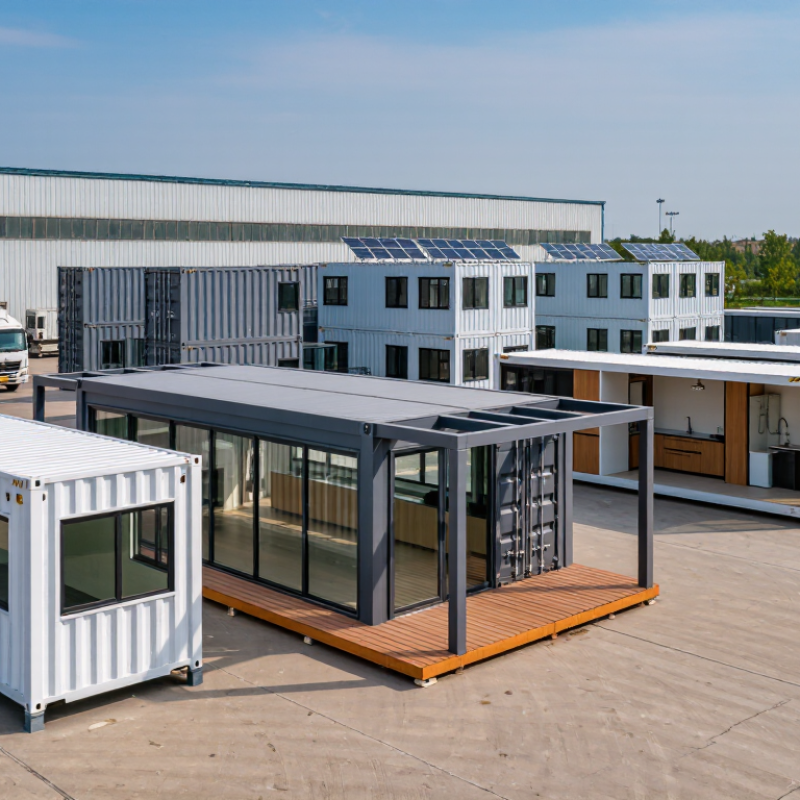
What Factors Affect China Top Container House Pricing?

Definition and Scope of China Top Container House Pricing

What Factors Affect China Top Container House Pricing?

Definition and Scope of China Top Container House Pricing

China top container house pricing refers to the cost of a higher-quality prefabricated modular unit made for living, offices, accommodation, or temporary facilities. “Top” usually describes specifications, not a fixed product category. The scope may include the steel frame, wall panels, roof, flooring, doors, windows, electrical fittings, plumbing, and interior finishes. It does not always include land preparation, transport, installation, permits, or local taxes.

Specifications strongly influence the quotation. A 20-foot unit normally costs less than a 40-foot unit, but size is only one factor. Rock wool insulation, stronger steel sections, fire-resistant panels, and energy-efficient windows can raise the factory price. Bathrooms, kitchens, furniture, and customized layouts add labor and material costs. Small details matter. A reinforced floor may be essential for heavy equipment.

Delivery conditions also shape the final budget. Freight distance, destination access, loading methods, and on-site assembly requirements can change the total sharply. Buyers should request a dated quotation with drawings, material thicknesses, testing information, packaging details, and warranty terms. Otherwise, two “complete” quotes may not describe the same house. A low price can look attractive. It may simply exclude installation or basic utilities. No estimate is perfect, especially when soil work and local compliance remain unclear. One practical improvement is to compare the full delivered cost, not only the factory figure.

Key Materials and Construction Features That Influence Cost

What Factors Affect China Top Container House Pricing?

Key Materials and Construction Features That Influence Cost

China container house pricing depends heavily on the steel frame. Thicker galvanized steel usually costs more, but it improves strength and corrosion resistance. Ordinary painted steel may reduce the initial quote. It can require more maintenance in humid regions.

Insulation is another major cost factor. Rock wool, glass wool, and polyurethane panels offer different thermal results and prices. A 50-millimeter panel may suit mild weather. Colder areas often need thicker insulation and better sealing. Flooring also matters. Cement boards, vinyl layers, and fire-rated finishes affect both comfort and safety.

Small details can change the final budget quickly. Double-glazed windows, insulated doors, and efficient drainage raise material costs. Electrical systems need suitable cables, breakers, sockets, and protective enclosures. Plumbing layouts become more expensive when kitchens and bathrooms are far apart. Factory welding can improve consistency, while complex cutting and repeated modifications increase labor time.

A reliable quotation should separate the house, interior fittings, packing, transport, and installation. Export terms can hide costs if these items are combined. In my experience, buyers often focus on the unit price and overlook foundation preparation. That estimate is incomplete. Custom colors, larger openings, stairs, balconies, and stronger wind resistance may also affect pricing. Some cheap specifications look attractive, but their long-term value deserves closer review.

How Customization and Design Choices Change the Final Price

China’s top container house pricing often starts with a standard steel frame, insulated panels, doors, windows, and basic wiring. Customization changes that baseline quickly. A larger floor plan may require reinforced beams, extra columns, and stronger transport supports. Those details add material and labor costs.

Design choices also shape the final quote. Thick rock wool insulation can improve comfort in cold regions, but it costs more than basic foam panels. Floor-to-ceiling windows create a brighter interior, yet they need stronger frames and careful sealing. Built-in kitchens, bathrooms, stairs, balconies, and furniture increase factory work. Finishes matter too. A wood-effect wall panel may look attractive, but its price and maintenance differ from painted steel. In project reviews, buyers sometimes focus on the unit price and miss installation, packaging, or inland delivery fees. That is an expensive oversight. Quotes can also change after drawings are revised.

Tips: Request an itemized quotation with dimensions, materials, insulation thickness, electrical points, plumbing fixtures, packaging, and delivery assumptions. Ask for updated drawings before production. Compare identical specifications, not attractive headline prices. Keep a contingency budget of around 10% for practical changes, although the exact amount depends on site conditions. One small request can affect several systems. A wider door may change wall framing, furniture placement, and transport planning. Good design is not always the cheapest design. It is the design that fits the climate, use, and budget without unnecessary complexity.

What Factors Affect China Top Container House Pricing? - How Customization and Design Choices Change the Final Price

Design or Customization Factor Standard Specification Common Customized Choice Typical Price Change
(RMB per Unit)
Indicative Final Price
(RMB per Unit)
Main Reason for the Difference
Container Size 20-foot unit, approximately 14–15 m² 40-foot unit, approximately 28–30 m² +12,000 to +25,000 35,000–65,000 A larger steel frame, roof, floor, wall area, and increased interior material quantity are required.
Structural Steel Light-gauge steel frame with standard reinforcement Heavier frame for snow load, wind load, or multi-unit stacking +4,000 to +15,000 27,000–55,000 Additional steel, welding, connection plates, and engineering checks increase manufacturing cost.
Wall and Roof Insulation 50 mm EPS or basic rock wool insulation 75–100 mm rock wool, glass wool, or PIR insulation +3,000 to +12,000 26,000–52,000 Higher thermal performance requires thicker panels and more expensive insulation materials.
Exterior Cladding Painted steel sandwich panels Wood-effect metal siding, fiber cement board, or decorative facade panels +2,500 to +14,000 25,500–54,000 Decorative exterior finishes involve additional materials, profiles, labor, and installation details.
Windows and Doors Single-glazed aluminum windows and steel entry door Double-glazed windows, sliding doors, security doors, or panoramic glazing +3,000 to +18,000 26,000–58,000 Larger openings and improved glazing raise glass, frame, hardware, and structural reinforcement costs.
Interior Finish PVC wall panels, vinyl floor, and basic ceiling Gypsum board, laminate flooring, ceramic tile, or decorative wall panels +4,000 to +20,000 27,000–60,000 Higher-grade finishes require more material, detailed fitting, and additional installation labor.
Bathroom Package Basic toilet, shower, basin, and PVC waterproof floor Separate wet room, premium fixtures, water heater, and tiled walls +4,000 to +16,000 27,000–56,000 Plumbing complexity, waterproofing, fixtures, and tile work have a direct effect on the final price.
Kitchen and Cabinetry Basic counter, sink, and limited storage Full cabinets, worktop, induction cooker, refrigerator space, and appliances +5,000 to +24,000 28,000–64,000 Cabinet quantity, countertop material, appliances, and electrical points increase the package cost.
Electrical System Basic lighting, outlets, distribution board, and standard wiring Additional circuits, exterior lighting, smart controls, or local-code upgrades +2,000 to +12,000 25,000–50,000 More circuits, upgraded protection, certification requirements, and smart devices add cost.
Heating and Cooling No fixed HVAC or one basic wall-mounted air conditioner Heating, cooling, ventilation, heat-pump, or multi-zone system +3,000 to +18,000 26,000–58,000 Equipment capacity, ducting, insulation, controls, and climate requirements affect the total.
Layout and Engineering Standard open-plan layout with fixed openings Multiple rooms, custom staircase, mezzanine, balcony, or connected units +5,000 to +30,000 28,000–70,000 Complex layouts require additional design work, structural calculations, fabrication, and assembly time.
Exterior Additions No deck, canopy, stairs, or outdoor platform Steel stairs, entrance canopy, deck, veranda, or rooftop terrace +3,000 to +25,000 26,000–65,000 External steelwork, guardrails, decking, waterproofing, and load requirements affect the quotation.
Quantity and Production Volume One customized unit 10 or more units using repeated components and layouts −5% to −15% Reduced unit cost Bulk purchasing, repeated fabrication, standardized drawings, and more efficient production can lower the unit price.
Pricing reference: The indicative figures are typical ex-factory estimates in RMB for a single finished container house unit in China. They may vary according to size, material grade, structural requirements, order quantity, exchange rates, and project location. Prices generally exclude international shipping, import duties, local taxes, foundations, site utilities, installation, permits, and on-site civil works.

Effects of Size, Quantity, Location, and Shipping on Pricing

What Factors Affect China Top Container House Pricing?

Effects of Size, Quantity, Location, and Shipping on Pricing

Size usually sets the first price difference. A compact 20-foot unit needs fewer materials than a larger two-bedroom model. However, bathrooms, kitchens, insulation, windows, and electrical systems can change the estimate quickly. A basic shell may look affordable, but interior requirements often create the real cost.

Quantity also matters. Larger orders can reduce production and packaging costs per unit. Yet customization may remove those savings. One unusual floor plan can require separate drawings, testing, and fabrication. Location adds another layer. Coastal factories may offer lower inland transport costs, while remote destinations can involve extra trucking, port handling, storage, and local permits. I have seen early estimates miss these charges. That mistake is common.

Shipping depends on volume, route, season, and container loading efficiency. Flat-packed units may use space better than assembled units, but damaged panels can create delays. Freight prices also change, so a quotation needs a clear validity period and delivery terms. Taxes, unloading equipment, and foundation preparation should be checked separately.

Tips: Request a detailed quotation with dimensions, materials, included fittings, packing method, shipping terms, and excluded costs. Compare the same specifications, not only the headline price. Keep a small contingency budget; real projects rarely follow the first spreadsheet perfectly.

Additional Costs, Market Factors, and Ways to Compare Suppliers

China top container house pricing depends on more than the factory price. A written quote should separate the structure, insulation, windows, plumbing, electrical work, and interior finishes. Some offers look low because they exclude doors, floor protection, or installation hardware. Ask for a line-by-line bill of materials. Also confirm steel thickness, coating methods, thermal ratings, and testing records. These details affect durability, comfort, and maintenance.

Additional costs can appear after production. Freight, export packing, inland delivery, unloading, crane rental, foundation work, customs charges, and local taxes may change the final budget. Site access matters. A narrow road may require smaller trucks or extra handling. Market conditions also influence prices. Steel, labor, fuel, exchange rates, and seasonal factory demand can move quotations quickly. A quote valid for seven days may be less useful than one with clear price protection. Keep contingency funds. Even careful estimates miss something.

Compare suppliers using the same technical brief and delivery terms. Request drawings, production photos, inspection procedures, references, warranty coverage, and a realistic schedule. Check whether after-sales support includes replacement parts and installation guidance. Compare total delivered cost, not the lowest factory number. Payment stages should match measurable milestones, such as design approval and pre-shipment inspection. Be cautious when a supplier avoids specifications or promises an unusually short lead time. The cheapest option may still work, but only when its exclusions are visible. No comparison is perfect.

What Factors Affect China Top Container House Pricing?

Indicative delivered-cost structure for a standard prefabricated container house in China. Actual pricing varies with specifications, order volume, destination, site conditions, and supplier terms.

The largest cost drivers are factory fabrication, insulation and interior specifications. International transport, installation, utility connections, permits, and site preparation can add substantially to the quoted factory price. When comparing suppliers, request the same scope of work and confirm whether freight, export packing, installation, taxes, and after-sales service are included.

FAQS

What does “top” mean in container house pricing?

It usually describes higher specifications, not a fixed product category.

Does the quoted price include installation and transport?

Not always.

How does unit size affect the price?

A 20-foot unit usually costs less than a 40-foot unit.

Which specifications can increase the factory price?

Rock wool insulation, stronger steel sections, fire-resistant panels, and efficient windows can raise costs.

Can larger orders reduce the price per unit?

Often, yes.

How does the destination affect the total budget?

Remote locations may require extra trucking, port handling, storage, and unloading equipment.

How do shipping methods influence container house pricing?

Freight depends on volume, route, season, and loading efficiency.

What should a detailed quotation contain?

Request dimensions, drawings, material thicknesses, fittings, packing methods, and delivery terms.

Should buyers keep a contingency budget?

Yes, a small contingency is sensible.

Conclusion

Understanding what factors affect container house pricing requires looking beyond the basic unit price. Costs are influenced by the materials used for the frame, insulation, walls, roofing, doors, windows, plumbing, electrical systems, and interior finishes. Construction methods and quality standards also affect durability, energy efficiency, maintenance needs, and the overall investment. Custom layouts, special dimensions, added rooms, upgraded facilities, and design details can further increase the final cost compared with standard models.

Pricing is also shaped by the house size, order quantity, production location, delivery distance, packaging, loading, and installation requirements. Site conditions and local labor expenses may create additional charges, while currency changes, material supply, seasonal demand, and market competition can affect quotations. Buyers should compare suppliers by reviewing specifications, inclusions, warranty terms, production quality, delivery arrangements, and total landed cost rather than focusing only on the advertised base price.

Sienna

Sienna

Sienna is a skilled marketing professional with a deep expertise in our company’s core products and services. With a passion for innovation and detail, she plays a pivotal role in crafting insightful blog posts that not only highlight the unique features of our offerings but also provide valuable......