What Factors Influence Container House Pricing in China?

Time:2026-06-10 Author:Isabella
0%

The emerging trend of container houses in China has caught the attention of many. These innovative structures are both functional and cost-effective. However, potential buyers often wonder: what factors affect container house pricing? Understanding this can help customers make informed decisions.

Several elements play a role in determining the price of container houses. Quality materials, design complexity, and shipping costs can all impact pricing. For example, sustainable materials may raise expenses but offer long-term benefits. Moreover, labor costs in different regions can affect the final price as well.

Investors and homebuyers must also consider the market demand and local regulations. In some areas, container houses may face restrictions. This presents challenges that could affect pricing strategies. Overall, while container houses are a viable housing solution, many factors complicate their pricing. Analyzing these dynamics is essential for anyone looking to invest in this unique housing option.
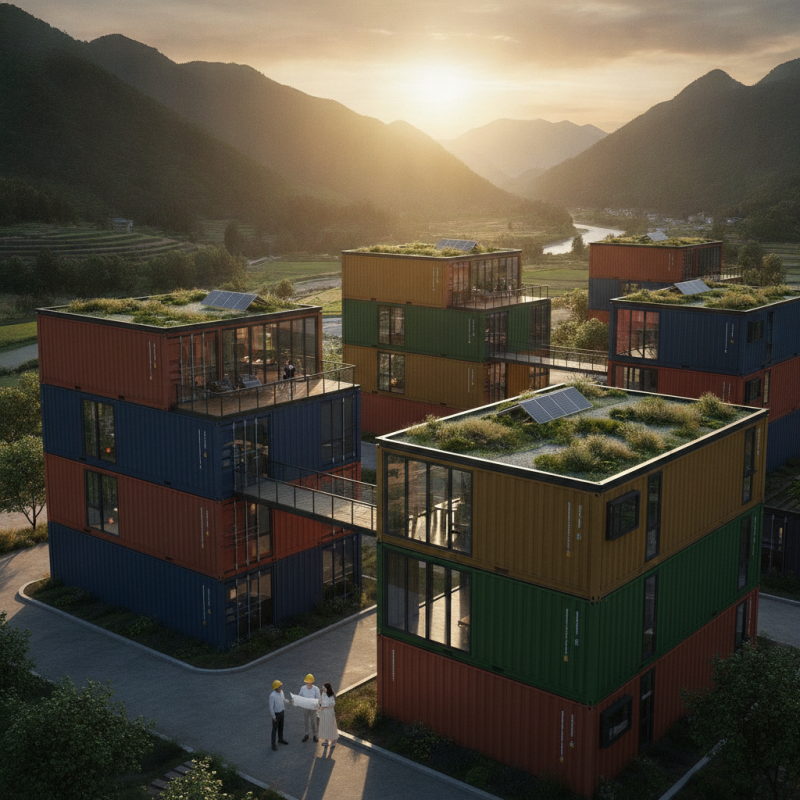
What Factors Influence Container House Pricing in China?

Factors Affecting Raw Material Costs in Container House Production

When considering the pricing of container houses in China, raw material costs play a crucial role. Steel prices are particularly significant, as they form the structural backbone of these houses. Fluctuations in steel prices often impact overall production costs, influencing the final pricing of the container houses. Other materials, such as insulation and flooring, also contribute to the overall expense. Changes in supply and demand for these materials can lead to unpredictable price variations.

Labor costs are another influencing factor. Skilled labor is essential for converting shipping containers into livable spaces. The availability of skilled workers can vary regionally, driving labor costs up or down. Moreover, the production methods employed can also affect the cost. Efficient, modern techniques may lower the price, yet the initial investment in technology can be high.

Environmental factors should not be overlooked. Regulations regarding sustainable materials can affect production costs as well. While integrating eco-friendly practices is beneficial, it often leads to higher upfront expenses. Thus, while striving for sustainability, producers need to balance eco-conscious choices with affordability.

Impact of Design Complexity on Container House Pricing in China

Design complexity plays a crucial role in determining the pricing of container houses in China. According to industry reports, intricate designs can increase costs significantly. A basic container home may cost around $1,500 per unit, while more elaborate configurations can soar to $10,000 or beyond. Custom features, such as large windows or multi-level structures, contribute to these higher prices.

Moreover, the integration of sustainable materials also affects overall costs. Many buyers seek eco-friendly options, which are often pricier. It is essential to consider both aesthetic and functional aspects in design. A well-thought-out design can enhance livability but may require a larger initial investment. Feedback from industry professionals suggests that clients often underestimate the impact of design choices on pricing.

The complexity of a design not only influences material costs but also labor expenses. Skilled labor is essential for intricate designs. Reports indicate that labor can account for up to 30% of total project costs. Therefore, evaluating design ambitions against budget constraints is critical for potential buyers. This balance is necessary for achieving both beauty and affordability in container homes.

Role of Location and Transportation in Container House Cost Structures

Location significantly impacts the pricing of container houses in China. Urban centers tend to have higher costs due to demand and land value. For instance, cities like Beijing and Shanghai can see price marks up to 30%. In contrast, rural areas offer more affordable options. Transportation costs also play a crucial role. Moving container homes from factories to sites incurs significant logistics expenses. According to industry reports, logistics can account for up to 20% of the total cost.

The proximity to infrastructure is another vital factor. Access to roads, ports, and other transport hubs can reduce costs. Areas with well-established supply chains see lower expenses. Conversely, remote locations may face additional charges, as transport becomes more complicated. In some instances, prices can rise by 15% or more due to added delivery fees.

The influence of regulations and permits is also noteworthy. Different provinces may have varying requirements that can affect pricing. Compliance can entail unexpected expenses. It's essential for buyers to conduct thorough research. A lack of clarity can lead to unforeseen costs, impacting overall investment significantly.

What Factors Influence Container House Pricing in China? - Role of Location and Transportation in Container House Cost Structures

Location Average Price (CNY) Transportation Costs (CNY) Land Costs (CNY/sq m) Market Demand (Units)
Beijing 80,000 5,000 20,000 150
Shanghai 85,000 7,000 22,000 200
Guangzhou 75,000 4,500 18,000 120
Shenzhen 82,000 6,000 21,000 180
Chengdu 70,000 3,500 15,000 100

Influence of Government Policies and Regulations on Container Housing Prices

In China, government policies play a crucial role in determining container house prices. Local regulations can either encourage or hinder the growth of this housing market. For instance, some cities offer tax incentives for eco-friendly construction. These incentives can lower costs significantly, making container homes more accessible.

However, not all regulations are favorable. In some regions, strict zoning laws complicate the installation of container houses. This can lead to increased costs as developers navigate bureaucratic hurdles. A lack of clear guidelines may also result in confusion and delays in project timelines.

Government support varies greatly across provinces. Where policies are more progressive, container homes flourish. In contrast, restrictive areas see stagnation in the market. This inconsistency can frustrate potential buyers and investors alike. Addressing these disparities remains a challenge for the industry’s future growth.

Factors Influencing Container House Pricing in China

This bar chart illustrates the main factors influencing container house prices in China, including government policies, material costs, labor costs, and land costs. The data reflects estimated influences on pricing derived from industry trends.

Market Demand Trends and Their Effect on Container House Valuation in China

Container houses in China have gained popularity due to their affordability and sustainability. Market demand trends play a crucial role in influencing their pricing. The rising interest in eco-friendly housing is driving the growth of this market. Consumers are looking for innovative solutions that are budget-friendly and environmentally conscious.

However, fluctuations in material costs heavily impact container house valuations. Steel prices and shipping costs can vary significantly, affecting overall pricing. Moreover, buyer preferences shift frequently, making it challenging to predict the market's direction. This inconsistency could lead to potential overpricing or undervaluation in projects, requiring careful market analysis.

Availability of skilled labor also plays a key role. Skilled workers are necessary for high-quality construction, impacting labor costs. If labor shortages persist, this could lead to increased prices. Investors must navigate these challenges to ensure competitive pricing without sacrificing quality. The evolving landscape requires a strategic approach to remain relevant in this emerging market.

FAQS

: What factors influence raw material costs in container house production?

: Steel prices significantly affect overall production costs. Other materials like insulation and flooring also contribute.

How do labor costs impact container house pricing?

Skilled labor is necessary for construction. Regional availability can drive labor costs up or down.

Are there environmental considerations in container house production?

Yes, sustainable material regulations can raise production costs. Balancing eco-friendliness with affordability is challenging.

How do government policies affect container house prices?

Local regulations can encourage or hinder market growth. Tax incentives can lower costs, while strict zoning laws can complicate installation.

What is the current market demand for container houses?

There is rising interest in affordable, sustainable housing. Eco-friendly options are influencing consumer preferences.

How do material price fluctuations impact container houses?

Variability in steel prices and shipping can change overall pricing. This inconsistency requires careful market analysis.

Can labor shortages affect container house valuations?

Yes, skilled labor shortages can push prices higher. Investors must navigate these challenges to maintain competitiveness.

What challenges exist in the container house market?

Fluctuating demand and price variations pose risks. Developers must adapt to changing buyer preferences to succeed.

Is the container house market uniformly regulated across regions?

No, regulations vary by province. Progressive areas support growth, while restrictive regions may hinder development.

What role does technology play in production costs?

Modern production methods can lower costs. However, initial investments in technology may be high.

Conclusion

The pricing of container houses in China is influenced by a variety of factors, including raw material costs, design complexity, location, government policies, and market demand trends. Firstly, the costs of materials such as steel and insulation directly impact production expenses, leading to variations in pricing. Additionally, more complex designs require advanced engineering and customization, further increasing costs.

Location plays a crucial role as transportation expenses can significantly affect the overall pricing structure. Moreover, government regulations and policies can either facilitate or hinder container house valuation, affecting market accessibility. Lastly, prevailing market demand trends shape pricing strategies, as higher demand can drive prices up. Understanding what factors affect container house pricing is essential for consumers and manufacturers alike in navigating this growing market.

Isabella

Isabella

Isabella is a dedicated marketing professional with a sharp focus on driving brand growth and engagement through strategic content creation. With an extensive background in digital marketing, she combines her passion for storytelling with her keen understanding of industry trends to deliver......