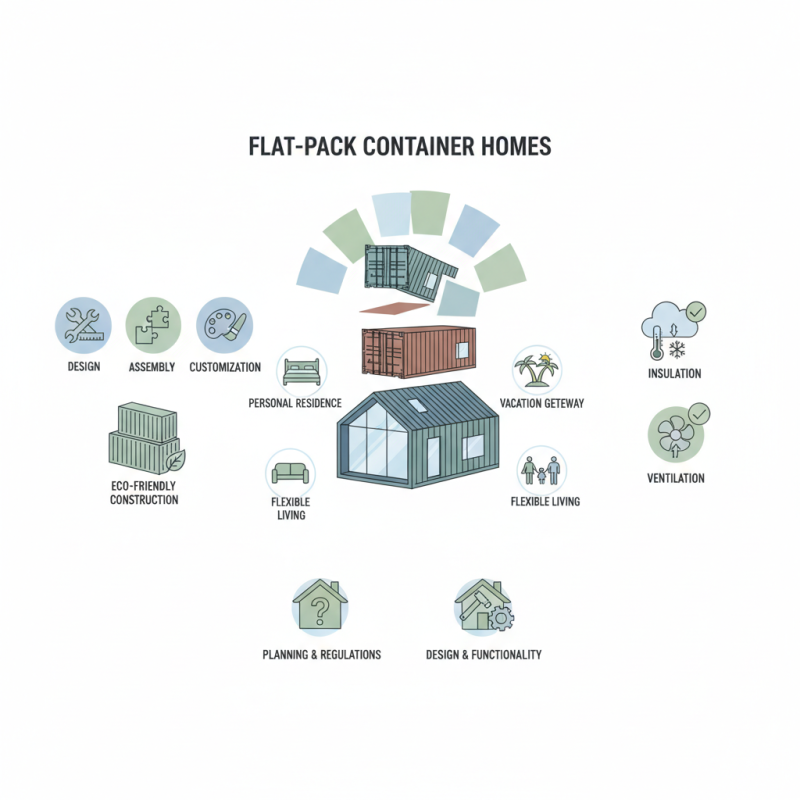
Flat pack container homes have gained popularity in recent years. They offer a unique solution for those seeking affordable and flexible living spaces. But, how do flat pack container homes work? These homes utilize shipping containers, which are transformed into cozy and functional living areas. The process involves design, assembly, and customization to fit individual needs.
The construction is eco-friendly, making use of existing materials. You can select various layouts, sizes, and features to tailor the home. This adaptability makes them appealing for various purposes, from personal residences to vacation getaways. However, a common challenge is ensuring proper insulation and ventilation. These factors are crucial for comfort, especially in different climates.
Flat pack container homes present a pragmatic approach to modern living. Yet, they also require thoughtful planning and creativity. It's essential to consider local regulations and site requirements. The journey involves not just assembly but also transforming a container into a true home. Balancing design and functionality is key.
Flat pack container homes have emerged as a popular choice for diverse housing needs. These homes are designed for quick assembly and offer many benefits. One major advantage is their eco-friendliness. They are made from repurposed shipping containers, reducing waste. Additionally, they are affordable compared to traditional homes. This makes them ideal for young families or those seeking to downsize.
When considering a flat pack container home, think about your specific needs. Do you require extra space for a home office or a guest room? Flat pack designs are flexible and can be customized. However, it's essential to assess local zoning laws and land availability. Not every area permits container homes, which can be a hurdle.
Here are a few tips for potential buyers. Start by researching reliable suppliers. Look for those with positive reviews and experience in the industry. It is also wise to visit existing container homes. This provides practical insight into the layout and functionality. Finally, plan your layout effectively. Ensure there is enough natural light, ventilation, and functional living space. Reflecting on these aspects can lead to a more fulfilling living experience.
This bar chart represents the key benefits of flat pack container homes, rated from 1 to 10 based on their appeal in specific areas such as cost efficiency, construction speed, sustainability, mobility, and customizability. These features highlight why flat pack container homes are becoming increasingly popular for diverse housing needs.
Flat pack container homes have gained popularity for their practicality and flexibility. These homes are built using standard shipping containers, providing a robust structure. According to a report by the Container Home Association, the demand for modular housing options has increased by over 50% in the past five years. This demand highlights the growing need for affordable housing solutions.
Key features of flat pack container homes cater to diverse needs. They can be easily transported and assembled quickly on-site, reducing construction time. The insulation properties of these homes are often enhanced, making them energy-efficient. A 2022 survey found that about 78% of users appreciated their energy savings compared to traditional homes. Additionally, customization options are vast; from adding windows to altering layouts, homeowners have freedom in design.
However, there are challenges. Some may face zoning regulations that complicate placement. Also, interior space can be restrictive, requiring innovative design solutions. The balance between cost-effectiveness and livability must be carefully considered. While many embrace this modern approach, reflecting on how well it meets specific needs is essential.
Assembling flat pack container homes can streamline the building process significantly. These modular units typically arrive at your site in sections, designed for easy assembly. The ease of assembly is a highly praised feature, but it also brings its own set of challenges, such as precise alignment and structural integrity. According to a report by the International Journal of Structural Engineering, properly aligned containers can withstand various environmental conditions and provide a sustainable living solution.
When you order these homes, they come with all necessary components for assembly. However, the logistics of transportation and site preparation need careful planning. A study from the Construction Industry Research and Information Association (CIRIA) indicates that over 30% of project delays stem from site readiness issues. It’s crucial to ensure your site is fully prepared with foundational support and utilities established beforehand. This preparation requires thoughtful coordination among contractors and suppliers.
The assembly process itself may take a few days to several weeks, depending on home size and complexity. While some prefer to hire professionals, many DIY enthusiasts find joy in self-assembly. Empirical data shows that DIY assembly can save around 20% on labor costs. Still, it's essential to be aware of potential pitfalls, like miscalculating measurements or underestimating the time commitment. With careful planning, flat pack container homes can effectively meet diverse living needs.
Flat pack container homes provide an innovative solution for diverse housing needs. These customized homes can be tailored for various environments. Research indicates that the global modular home market is projected to grow significantly. In fact, it's expected to reach over $100 billion by 2025. This trend reflects a growing preference for flexible living spaces.
Customization is vital in flat pack container homes. They can be adapted for individuals, families, or even small communities. Users can adjust layouts, choose materials, and select fixtures. This allows for unique expressions of personal style and functional needs. Studies show that homebuyers increasingly prioritize personalized spaces. They value homes that reflect their identity and support specific lifestyles.
Tip: When customizing your container home, consider energy-efficient options. Incorporate solar panels or efficient insulation to lower long-term costs.
Consider accessibility features if needed. Ramps, wider doorways, and open layouts can enhance usability. This thoughtful design leads to a more sustainable living experience. An ideal home should offer comfort and adaptability.
| Feature | Description | Customization Options | Benefits |
|---|---|---|---|
| Size Variability | Container homes come in various sizes (20ft, 40ft). | Multiple containers can be combined for larger spaces. | Flexibility in design and layout. |
| Material Durability | Made from steel or aluminum, weather-resistant. | Options for insulation and exterior finishes. | Long lifespan and low maintenance. |
| Modular Design | Constructed in a factory and shipped as modules. | Interior layouts and partition walls can be customized. | Reduced construction time on-site. |
| Eco-friendly Options | Possibility to include sustainable materials and systems. | Solar panels and rainwater harvesting systems. | Reduced environmental impact. |
| Mobility | Easily transportable to different locations. | Customization for towing or foundation setups. | Ideal for temporary housing or vacation homes. |
When considering a flat pack container home, budgeting is crucial. These homes offer an affordable alternative to traditional housing. Costs can vary based on design, materials, and location. Understanding these factors can guide your budgeting process.
Financing options for container homes can be limited. Many banks are unfamiliar with this type of dwelling. It's important to research lenders who understand the unique value of container homes. Finding a suitable mortgage or loan requires diligence and preparation.
Tips: Create a detailed budget plan. Include costs for land, permits, and utilities. Always have a contingency fund for unexpected expenses. Engage with professionals who know the local market and regulations. This can save time and money in the long run.
Don’t underestimate the importance of thorough research. Many find financing options perplexing. Seek local support groups or online forums for advice. Understanding the community's perspective can yield valuable insights.
: These homes are quick to assemble, made from repurposed shipping containers, and offer many benefits.
They reuse shipping containers, reducing waste and minimizing environmental impact significantly.
Young families or people looking to downsize may find these homes affordable and suitable for their needs.
Yes, you can alter layouts, choose materials, and personalize features to meet your specific needs.
Assess local zoning laws, land availability, and individual requirements for space and design.
Zoning regulations and limited interior space can be hurdles, requiring innovative design solutions.
Many users report significant energy savings, with enhanced insulation tracking 78% satisfaction from occupants.
Yes, this can provide valuable insight into layouts and functionality, helping you make informed decisions.
Think about energy-efficient options like solar panels. Consider accessibility for a more comfortable living experience.
Absolutely, the modular housing market is projected to exceed $100 billion by 2025, highlighting its rising popularity.
Flat pack container homes offer a versatile and efficient solution for modern housing needs. Understanding how do flat pack container homes work involves recognizing their unique features, such as cost-effectiveness, sustainability, and ease of transport. These homes are designed for quick assembly, allowing homeowners to set up their living spaces in a fraction of the time required for traditional construction.
Additionally, customization options enable individuals to create unique spaces that cater to personal preferences and functional requirements. Budgeting and financing considerations further ensure that these homes can fit a variety of financial situations, making them accessible to a broader audience. Overall, flat pack container homes represent a practical alternative for those seeking innovative housing solutions.

Goldy Homes