Container houses have gained popularity for their affordability and sustainability. However, the issue of insulation remains a significant concern for homeowners and builders. According to Dr. Jane Smith, an expert in sustainable architecture, “Effective insulation is critical for comfort and energy efficiency in container homes.” This highlights the importance of knowing how to improve insulation in container houses.
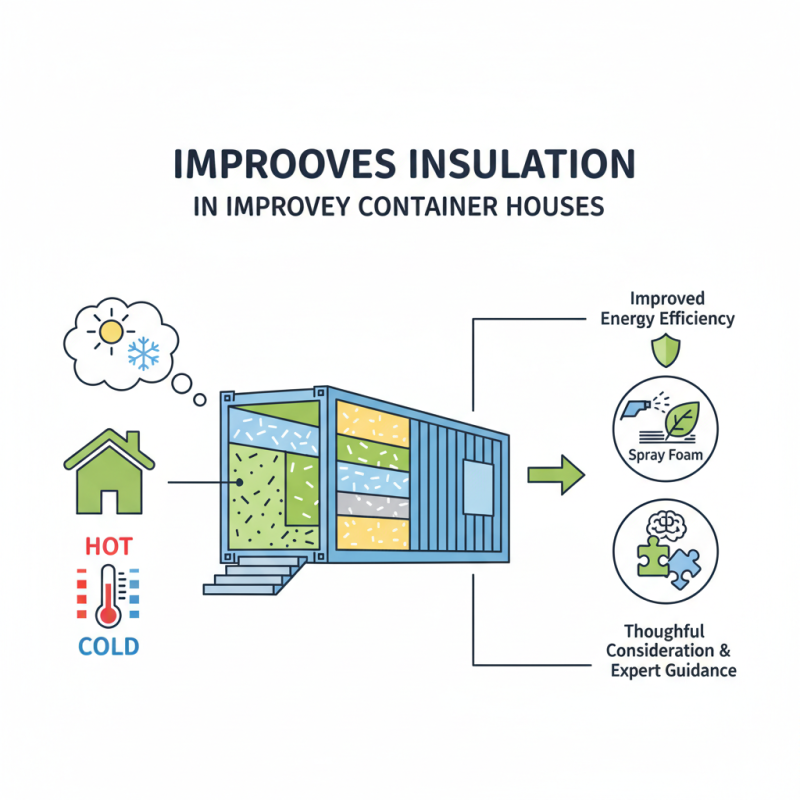
Many container homes experience temperature fluctuations that can lead to discomfort. Without proper insulation, these structures can become too hot in summer and too cold in winter. There is a need for innovative solutions to enhance insulation. For instance, using spray foam or eco-friendly insulation materials can significantly improve energy efficiency.
Despite these options, many still struggle with implementation. Misunderstandings about insulation materials can lead to poor choices. It’s essential for homeowners to educate themselves on the available choices. Achieving the best insulation requires thoughtful consideration and expert guidance. Addressing these challenges will ensure that container homes remain a viable housing option for the future.
Understanding the Importance of Insulation in Container Houses
Insulation plays a crucial role in container houses. Proper insulation helps regulate temperature and enhances comfort. Without adequate insulation, these homes can become uninhabitable in extreme weather. Container walls lack the traditional insulating materials found in typical houses. Thus, understanding insulation's significance is paramount for any owner.
When considering insulation options, it's important to explore various materials. Spray foam, for instance, creates an air-tight seal, while rigid foam boards offer solid thermal resistance. However, installation can be challenging and often requires professional help. The original container's structure might be compromised if not done correctly. Therefore, a careful analysis of methods and materials is essential.
In addition, consider the climate where the container house is located. Different environments will require different insulation strategies. In colder areas, a thicker layer may be necessary. In contrast, warmer climates might benefit from reflective insulation. Each choice comes with trade-offs. Regular inspections and maintenance are crucial to ensure longevity and effectiveness.
Types of Insulation Materials Suitable for Container Homes
Container homes offer unique living experiences but can struggle with temperature regulation.
Insulation is crucial in these dwellings, ensuring comfort in various climates. Several insulation materials cater specifically to container homes, each with advantages and drawbacks.
Spray foam insulation is a popular choice. It forms a tight seal and effectively fills gaps, preventing air leaks.
However, applying it can be a complex task, requiring skilled professionals.
Rigid foam board is another option. It is lightweight and easy to install, but offers less flexibility in adapting to various surfaces.
Fiberglass batt insulation is widely available and cost-effective, yet it may not provide the best air barrier, leading to potential energy loss.
Additionally, natural insulation materials like sheep’s wool or cellulose can be effective as well. They are eco-friendly and provide decent thermal performance.
However, their initial cost can be higher, and they may require more maintenance over time.
Choosing the right insulation material hinges on factors like budget, climate, and personal preference. It's essential to weigh these options against your specific needs.
Step-by-Step Guide to Installing Insulation in Container Houses
Insulation is crucial in container houses to maintain energy efficiency. According to the U.S. Department of Energy, poorly insulated homes can lose up to 30% of heating and cooling energy. This is significant for container homes, which are built from steel, a material with high thermal conductivity. Effective insulation prevents issues like condensation and mold.
When installing insulation, begin by assessing the specific needs of your container. Rigid foam boards and spray foam are common choices. Rigid foam offers high R-values, ideal for extreme climates. Spray foam can fill gaps and reduce air leakage effectively. Always pay attention to corners and seams, as these are often neglected. Research shows that improper installation can reduce insulation performance by up to 50%.
After selecting insulation, consider the installation process. Proper ventilation is essential to prevent moisture build-up. Experts recommend leaving a small air gap for airflow. Monitor indoor temperatures regularly after installation. Adjustments may be needed for optimal performance. Making mistakes in insulation can result in increased energy bills and discomfort. Continuous monitoring will lead to improvements.
Addressing Common Challenges in Container House Insulation
Insulating container houses effectively presents several common challenges. One major issue is the thin metal walls, which can lead to significant heat loss or gain. A practical solution is to use rigid foam insulation boards. These boards fit snugly between wall studs, providing excellent thermal resistance. However, they can be difficult to install in tight spaces, so careful measurements are essential.
Condensation is another common challenge in container homes. Moisture can accumulate, leading to mold and deterioration. To combat this, a vapor barrier is necessary. Placing it on the warm side of the insulation helps prevent moisture buildup. Yet, applying a vapor barrier isn't foolproof; it requires thorough sealing to avoid gaps. Choosing the right materials is also crucial, as some can create a false sense of security.
Air leaks create an additional layer of complexity. Sealing all gaps and joints with spray foam or sealant can significantly improve insulation. But this process can be time-consuming and labor-intensive, often requiring multiple rounds of application. Homeowners might rush through it, leading to future inefficiencies. Regular checks and maintenance are essential to ensure that the insulation remains effective over time.
Enhancing Energy Efficiency through Proper Insulation Techniques
Proper insulation in container houses significantly enhances energy efficiency. Research shows that around 30% of energy loss occurs through poorly insulated walls. Utilizing high-quality insulation materials can reduce heating and cooling costs by nearly 50% in some cases. This is crucial, especially for container homes that often face temperature fluctuations.
Selecting the right insulation technique plays a vital role. Spray foam insulation, for instance, expands to fill gaps, creating an airtight seal. A study by the Department of Energy highlights that foam insulation can improve thermal performance by up to 50%. However, it's critical to ensure proper installation. An incorrectly applied layer might lead to moisture issues, which can compromise the structure.
Another option is reflective insulation, particularly effective in warmer climates. Metalized barriers reflect radiant heat, keeping interiors cooler. Some professionals argue that while this method is effective, it may not suit all scenarios due to their specific thermal properties. Prioritizing the right insulation not only ensures comfort but also supports sustainable living practices. This approach leads to reduced reliance on energy sources and lowers environmental impact.
How to Improve Insulation in Container Houses Effectively?
This bar chart illustrates the insulation efficiency percentages of various insulation types commonly used in container houses. To improve energy efficiency effectively, selecting the right insulation material is crucial.
FAQS
: Insulation keeps container houses comfortable and regulates temperature. It is vital for surviving extreme weather.
Spray foam, rigid foam boards, and fiberglass batt are common choices. Eco-friendly options include sheep’s wool and cellulose.
Colder climates need thicker insulation. Warmer areas can benefit from reflective insulation. Choose based on local weather.
Installation can be complex and may require professional help. Mistakes can affect performance and lead to higher bills.
Regular checks ensure insulation remains effective and helps identify issues before they escalate. Neglect can lead to discomfort.
Poor insulation can lead to energy losses of up to 30%. It may cause condensation and mold problems too.
Rigid foam is lightweight and easy to install. However, it's less flexible and may not adapt well to all surfaces.
Indoor temperature should be checked regularly. Adjustments may be needed to achieve optimal comfort and energy efficiency.
Natural materials are eco-friendly and effective but often cost more and require more maintenance than synthetic options.
Neglecting corners and seams is common. Inadequate ventilation can lead to moisture issues, affecting overall insulation performance.
Conclusion
In the quest to understand how to improve insulation in container houses, it’s essential to recognize the significance of proper insulation for maintaining comfortable living conditions. The article discusses various types of insulation materials that are suitable for container homes, highlighting options such as foam board, spray foam, and fiberglass.
A detailed step-by-step guide is provided for installing insulation in container houses, addressing the unique challenges posed by their structural design. Additionally, the article emphasizes enhancing energy efficiency through effective insulation techniques. By following the outlined strategies, homeowners can significantly increase the comfort and sustainability of their container homes while overcoming common insulation hurdles.

 Goldy Homes