In today's rapidly changing housing landscape, container-based housing systems offer innovative solutions. However, understanding how to maintain container based housing systems effectively is crucial for their longevity and functionality. These structures, often seen in urban environments, require specific care and attention to thrive.
Proper maintenance involves checking for structural integrity. Regular inspections can prevent small issues from becoming major problems. For example, rust can compromise container durability. Moreover, ensuring ventilation is essential. Poor airflow can lead to moisture buildup, resulting in mold. Container homes have unique challenges that traditional houses might not face.
Additionally, the foundation plays a significant role in overall stability. Uneven ground can cause shifting over time. This highlights how maintenance needs vary from typical housing. Learning effective strategies empowers homeowners to optimize their living conditions. Implementing a proactive maintenance plan can lead to lasting benefits, ensuring comfort and safety in these versatile homes.
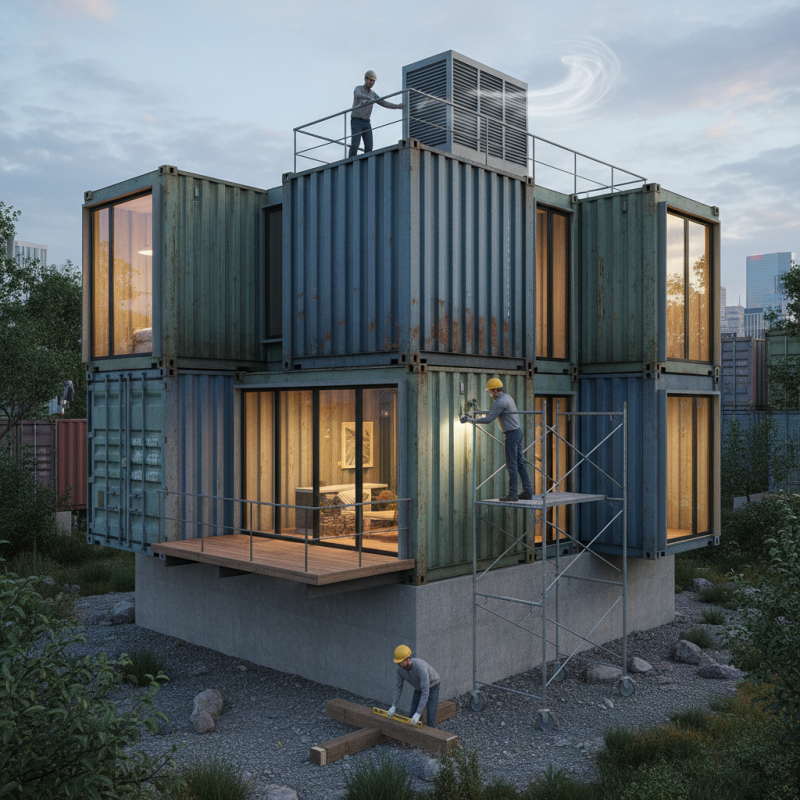
Container-based housing systems are innovative solutions for modern living. These structures utilize shipping containers to create affordable and sustainable homes. They are relatively quick to assemble and can adapt to various environments. However, understanding their unique nature is crucial for effective maintenance.
The first step in maintaining container homes is to ensure proper insulation. Containers are made of steel, which can absorb heat in summer and cold in winter. Adding insulation materials can enhance comfort and energy efficiency. Regular checks for rust and corrosion are essential. Container exteriors are prone to weather damage. A protective coating can extend their lifespan, yet it requires periodic reapplication.
Another aspect is plumbing and electrical systems. Container homes often use compact designs for these installations. Regular inspections help prevent leaks and electrical issues. Rainwater harvesting systems can be beneficial, but they need maintenance. Untreated systems can lead to contamination or algae growth. Recognizing and addressing these aspects can significantly improve the longevity and livability of container-based housing.
: Regular inspections to check seals, insulation, and framework are vital for longevity and safety.
Routine checks are recommended. Monthly inspections can help identify issues early.
Ensure proper ventilation and keep the interior dry. Regularly check for moisture and humidity.
Proper drainage prevents water pooling at the base, reducing the risk of structural damage.
Use insulation materials, window shades, and ventilation to regulate heat and humidity effectively.
Adding plants can create a pleasant atmosphere and naturally cool the environment.
Yes, inspect for rust regularly. Untreated metal may degrade significantly within a few years.
Regularly check for wear on seals and anchoring, and evaluate the foundation for stability.
Energy-efficient fans and portable air conditioners can help regulate temperature effectively.
Continuous assessment of systems is important. Adjustments can enhance living conditions and safety.
Maintaining container-based housing systems effectively requires a comprehensive understanding of their unique structures and needs. To begin with, it's essential to familiarize oneself with the integral components of container homes, including their materials and design. Essential maintenance practices involve regular inspections, addressing rust and corrosion, and ensuring proper drainage systems are in place to prevent water damage.
Climate control is another key aspect; effective management of temperature and humidity within these units is crucial for comfort and durability. Furthermore, regular assessments of structural integrity and safety are vital to ensure the units can withstand environmental stresses. Finally, being proactive in addressing common issues such as improper insulation and plumbing leaks can extend the lifespan of container homes. In summary, knowing how to maintain container based housing systems involves a holistic approach that prioritizes preventive care and regular upkeep.

 Goldy Homes