Are Modular Container Homes Environmentally Friendly Solutions?

Time:2026-07-05 Author:Ethan
0%

As more people consider sustainable living, the question arises: how environmentally friendly are modular container homes? Experts like Dr. Lisa Green, an environmental architect, emphasize the benefits of repurposing shipping containers. She states, "Modular container homes utilize existing materials, which reduces waste and promotes sustainability."

These homes can minimize a carbon footprint. They often require less energy for construction compared to traditional homes. However, challenges remain. Not all containers are eco-friendly; many are treated with harmful chemicals. This can compromise indoor air quality.

Furthermore, while modular homes are efficient, their long-term environmental impact needs more study. Localized testing and renovations can improve their sustainability. Ensuring these homes are truly green requires careful planning and transparency in materials used.
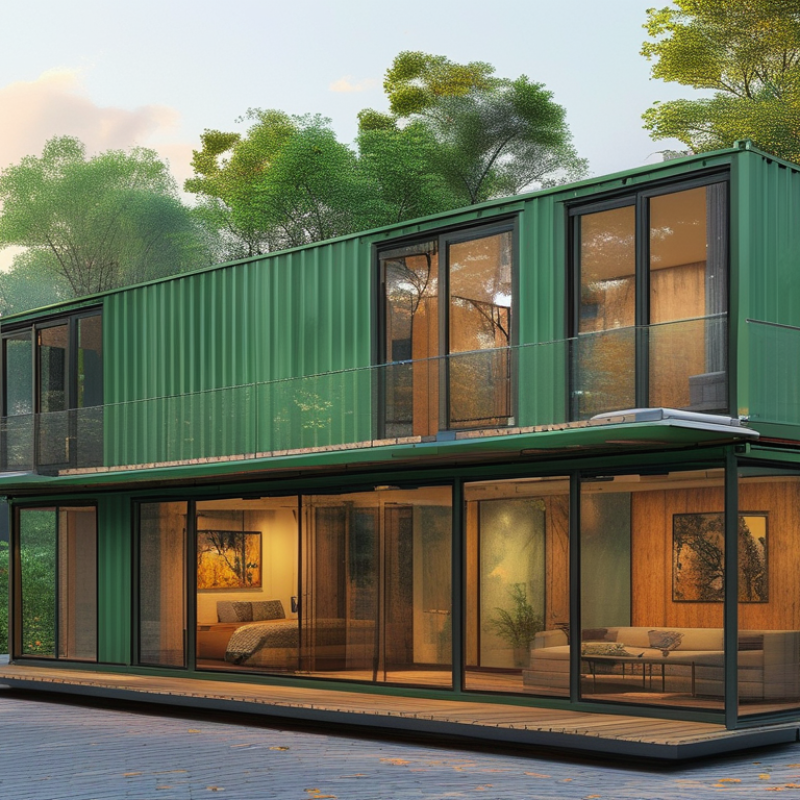
Are Modular Container Homes Environmentally Friendly Solutions?

Understanding Modular Container Homes and Their Design Principles

Modular container homes are innovative structures that repurpose shipping containers. These homes are designed with sustainability in mind. Their modular design allows for flexibility and efficiency in both construction and layout. This adaptability makes them attractive for various uses, from temporary housing to permanent residences.

When considering modular container homes, take into account the insulation materials used. Proper insulation protects against temperature changes and reduces energy consumption. Additionally, look for modular designs that incorporate natural light. This can enhance comfort and reduce reliance on artificial lighting. Using solar panels is another effective method to increase energy efficiency.

However, there are drawbacks. Container homes may have a limited lifespan compared to traditional homes. Without proper maintenance, rust and corrosion can become issues. It’s essential to weigh these factors before making a decision. Always research local regulations and zoning laws, as they may affect your building plans.

The Environmental Impact of Modular Container Homes Compared to Traditional Options

Modular container homes are gaining attention as a potential eco-friendly housing solution. They are made from repurposed shipping containers, which reduces waste. This can be beneficial compared to traditional homes that often require new materials and extensive labor. However, the environmental impact varies.

While modular homes can lower carbon footprints, they still require significant energy to transport and modify. The process of converting containers into livable spaces can generate waste, too. Insulation, heating, and cooling systems can also demand energy. These factors must be weighed against the benefits of reduced construction waste.

Another point for consideration is local climate. In warmer regions, container homes can be energy-efficient. In colder climates, additional insulation is vital, potentially offsetting environmental gains. Thus, modular container homes present both opportunities and challenges. Their impact depends on design, location, and user habits. Thoughtful planning is essential to maximize their eco-friendly potential.

Sustainability Features of Modular Container Homes: Materials and Construction

Modular container homes offer a unique approach to sustainable living. They are built from repurposed shipping containers, reducing waste in landfills. This recycling aspect is a significant benefit. Each container can be transformed into functional living spaces with minimal environmental impact.

The materials used in constructing these homes are often eco-friendly. Insulation options, for example, can be chosen based on sustainability ratings. However, not all insulation materials are created equal. Some may not provide adequate energy efficiency, leading to higher energy usage over time. This is an area worth exploring further for true sustainability.

Construction processes for modular homes also contribute to their eco-friendliness. These homes are generally built in controlled environments, minimizing waste. Yet, transportation can take a toll on carbon footprints. The journey from factory to site may sometimes offset initial eco-gains. Careful planning can mitigate this issue, ensuring a balance between convenience and sustainability.

Energy Efficiency and Resource Management in Modular Housing Solutions

Modular container homes present a unique approach to sustainable living. They are innovative structures designed for energy efficiency and resource management. According to a 2022 report by the Modular Building Institute, modular construction can reduce energy consumption by up to 25% compared to traditional building methods. This efficient approach helps lower carbon footprints.

The design of these homes often incorporates high-performance insulation and energy-efficient windows. These features minimize heat loss and reduce the need for artificial heating. A study found that homes built with modular methods can save 60% on energy bills over their lifetime. However, while energy efficiency is significant, some aspects still require improvement. Not all modular designs prioritize sustainable materials, leading to potential environmental concerns.

Water management is another critical component of modular housing. Integrating rainwater harvesting systems can enhance resource efficiency. Yet, many designs overlook this feature, missing an opportunity for increased sustainability. Future developments need to prioritize such integrations to maximize environmental benefits. The shift towards modular container homes offers promise, but ongoing reflection and commitment to sustainable practices are essential.

Are Modular Container Homes Environmentally Friendly Solutions?

Aspect Description Environmental Impact (Score 1-10) Key Features
Energy Efficiency Utilizes passive solar design and energy-efficient materials. 8 Insulation, solar panels, LED lighting
Resource Management Low waste construction methods and recycled materials. 9 Reclaimed wood, metal recycling
Sustainability Designed for longevity and minimal environmental footprint. 7 Durable materials, modular design
Carbon Footprint Lower carbon emissions compared to traditional home building. 8 Off-site construction, efficient transport
Water Management Incorporates water-saving fixtures and rainwater harvesting. 8 Low-flow appliances, cisterns

Potential Challenges and Considerations for Eco-Friendly Container Living

Modular container homes present intriguing possibilities for eco-friendly living, yet they come with their own set of challenges. Many proponents advocate for their sustainable design, but recent studies reveal potential downsides. A report from the United Nations indicates that more than 600 million tons of plastic waste are produced annually. Much of this waste finds its way into container production. This raises concerns about the actual eco-friendliness of using repurposed materials.

Container homes are often praised for their energy efficiency, yet they can fall short on insulation. According to the American Institute of Architects, containers can amplify temperature fluctuations. This might lead to increased energy consumption for heating or cooling. It emphasizes the need for better insulation solutions in container design to truly promote sustainability.

Moreover, there are zoning regulations and safety standards to consider. The construction process can be problematic if local codes do not recognize container homes as legitimate structures. These hurdles can deter potential eco-conscious homeowners. While the idea of living in a container home is appealing for some, it’s vital to weigh both the benefits and the complications involved in this lifestyle choice.

FAQS

: What are modular container homes?

: They are sustainable living structures designed for energy efficiency and resource management.

How much can modular construction reduce energy consumption?

It can reduce energy consumption by up to 25% compared to traditional building methods.

What are the insulation features of modular homes?

These homes often include high-performance insulation and energy-efficient windows to minimize heat loss.

Can modular homes significantly lower energy bills?

Yes, they can save up to 60% on energy bills over their lifetime.

Are all modular designs environmentally friendly?

No, some do not prioritize sustainable materials, raising environmental concerns.

What water management feature enhances sustainability?

Rainwater harvesting systems can significantly increase resource efficiency in modular homes.

What is a potential drawback of container homes regarding temperature?

Containers can amplify temperature fluctuations, leading to increased energy consumption for heating or cooling.

Are zoning regulations a concern for container homes?

Yes, local codes may not recognize container homes, complicating the construction process.

What is a major issue with using repurposed materials?

Over 600 million tons of plastic waste are produced annually, affecting eco-friendliness.

What is essential for the future of modular housing?

Ongoing reflection and commitment to sustainable practices are crucial for true environmental benefits.

Conclusion

Modular container homes represent a modern housing solution that emphasizes sustainability and efficient design principles. Understanding how environmentally friendly modular container homes are requires an examination of their reduced environmental impact compared to traditional building methods. These homes often utilize recycled materials and innovative construction techniques, minimizing waste and promoting resource conservation throughout the building process.

Additionally, modular container homes include various sustainability features such as energy-efficient designs and resource management systems, which significantly reduce energy consumption. However, potential challenges such as insulation, durability, and acceptance in various communities need to be addressed to optimize the eco-friendly advantages of this housing option. Overall, modular container homes provide a promising alternative for sustainable living, while still necessitating careful consideration of their environmental implications.

Ethan

Ethan

Ethan is a seasoned marketing professional with a deep expertise in our company's innovative product line. With a passion for sharing knowledge and insights, he takes the lead in regularly updating our corporate blog, where he explores industry trends, product features, and effective marketing......