How to Reduce Costs in Modular Construction Projects Effectively?

Time:2026-06-04 Author:Liam
0%

Modular construction has gained traction in recent years due to its efficiency and speed. However, many project managers still struggle with budget constraints. This raises the crucial question: how to reduce costs in modular construction projects? Understanding this can significantly impact the overall success of a project.

Implementing cost-saving strategies is not a one-size-fits-all solution. It's about analyzing each phase of the construction process. By focusing on materials, labor, and logistics, project managers can make informed decisions. For instance, selecting sustainable materials can reduce waste and lower expenses. This requires expertise in material selection and supply chain management.

Moreover, collaboration among all stakeholders is vital. Miscommunication often leads to costly mistakes. Regular meetings and feedback loops can help streamline processes. Learning from past projects is equally important. Reflecting on what worked and what didn’t can uncover valuable insights. Reducing costs is an ongoing challenge, but with careful planning and thoughtful execution, it is achievable.
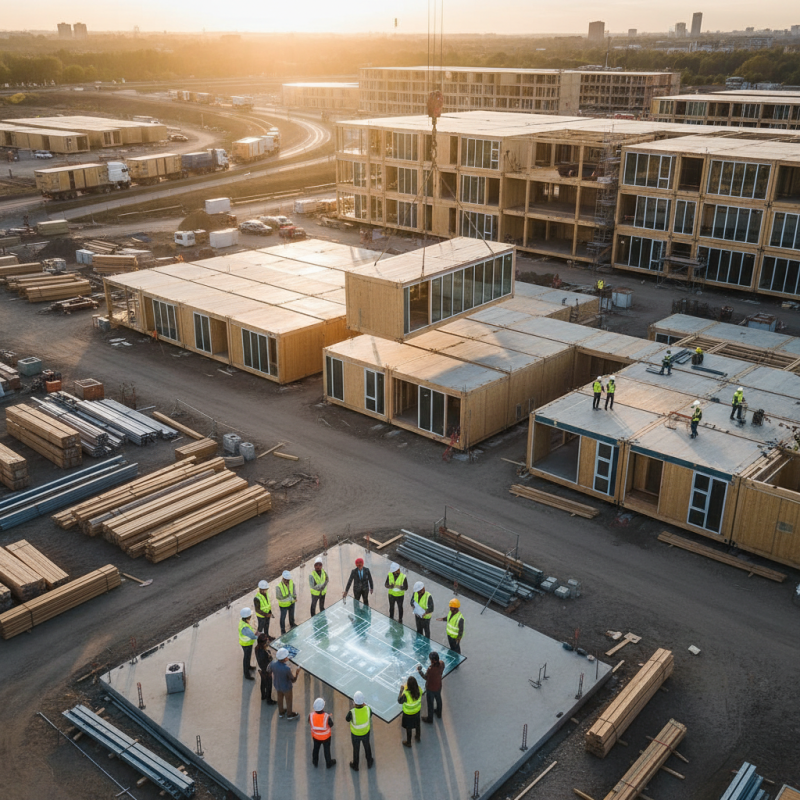
How to Reduce Costs in Modular Construction Projects Effectively?

Understanding Cost Drivers in Modular Construction

In modular construction, understanding the key cost drivers is essential. Labor, materials, and logistics often bear the most weight in budget discussions. Effective planning can help streamline these elements. For instance, prefabricating components off-site can reduce labor costs. However, careful management of material supply is crucial. Delays in delivery can lead to increased expenses.

Logistics is another pivotal aspect. Coordinating transport for modular units can incur extra charges. Efficient logistics planning can lessen these risks. It's essential to analyze each project phase and identify potential bottlenecks. Engaging with local suppliers may lower costs significantly. Yet, relying heavily on out-of-region materials can escalate risks.

However, not every approach will yield uniform results. Sometimes, overemphasis on cost-cutting leads to quality issues. Projects might face hidden costs if quality suffers. Also, the workforce may need more training on new systems. Investing in development can prove beneficial but may also strain budgets. Navigating these trade-offs is vital for success in modular construction.

Cost Drivers in Modular Construction Projects

Strategies for Efficient Material Sourcing and Management

Efficient material sourcing and management are essential for reducing costs in modular construction projects. When sourcing materials, it is vital to establish strong relationships with suppliers. This can lead to better pricing and improved service. Regular communication with suppliers can also help in understanding market trends, enabling timely procurement decisions.

Another critical aspect is inventory management. Keeping track of materials is key to avoiding overstock and shortages. Implementing a just-in-time inventory system can minimize excess costs. It requires careful planning but can significantly enhance efficiency. Yet, not all projects may benefit from this method, requiring project managers to adapt their strategies based on specific needs.

Reusing materials from previous projects is one sustainable approach. It not only reduces costs but also promotes environmental responsibility. However, it can be challenging to find suitable materials that meet current project specifications. Evaluating the condition and compatibility of reused materials is crucial. This practice may add complexity, but the potential savings are considerable. Regular audits can help in identifying reusable materials effectively.

Optimizing Labor Costs in Modular Construction Projects

Labor costs significantly impact modular construction budgets. Optimizing these expenses can lead to substantial savings. Here are some effective strategies to consider.

One approach is to invest in worker training. A well-trained team is more productive. They can complete tasks faster, reducing labor hours. This investment also enhances quality. Fewer mistakes mean lower rework costs. Monitoring progress regularly can identify areas needing extra attention.

Consider flexible scheduling. Adjusting work hours can align with when labor demand is highest. It helps keep the team engaged and minimizes downtime. Embracing technology can aid efficiency. For instance, using project management software streamlines communication and task assignments.

**Tips:** Encourage team feedback. Workers on the ground often spot inefficiencies. Regularly review financial reports. Keeping track of expenditures can reveal hidden costs. Lastly, foster a collaborative environment. Teams that communicate well are more effective.

Implementing Technology for Cost Reduction and Efficiency

In the realm of modular construction, technology emerges as a game changer. Integrating advanced software solutions can streamline project management processes. These tools enable real-time tracking of resources, ensuring accurate budgeting and scheduling. Data analytics can reveal patterns that lead to significant cost reductions. Every decision can be informed by robust insights, driving greater accountability throughout the project lifecycle.

Incorporating automation is another critical aspect. Robotics in manufacturing improves precision and reduces labor costs. Prefabrication techniques minimize waste by optimizing material usage. However, reliance on these technologies may also pose challenges. The initial investment can be significant, and training staff to adapt can be a hurdle. Businesses must assess their readiness for this shift and the long-term benefits it entails.

Emphasizing collaboration through digital platforms can also enhance efficiency. Teams can communicate seamlessly, preventing miscommunication. Cloud-based tools foster transparency, allowing stakeholders to access vital information anytime. Yet, dependence on technology can lead to vulnerabilities, particularly if data security is not prioritized. It’s crucial to strike a balance between leveraging new technologies and maintaining robust risk management strategies in modular construction projects.

How to Reduce Costs in Modular Construction Projects Effectively? - Implementing Technology for Cost Reduction and Efficiency

Technology Implementation Cost Reduction (%) Efficiency Improvement (%) Time Saved (weeks)
Building Information Modeling (BIM) 15% 20% 3
Prefabrication Techniques 20% 25% 4
Advanced Robotics 10% 15% 2
Cloud-Based Project Management Tools 12% 18% 2
Sustainable Materials 8% 10% 1

Best Practices for Project Planning and Scheduling

In modular construction, effective project planning and scheduling are crucial for cost reduction. Studies indicate that improper scheduling can increase project expenses by up to 15%. A well-structured timeline allows teams to anticipate needs and allocate resources efficiently. Organizations can save significantly when they focus on each phase of the project with detailed attention.

Utilizing techniques like critical path method (CPM) can enhance scheduling accuracy. CPM identifies key tasks that affect the project deadline, ensuring a smoother workflow. However, many teams overlook potential delays that can arise from supply chain issues. Research shows that 30% of delays in modular projects stem from materials not arriving on time. Accurate forecasting and advance ordering of materials is essential.

Project managers often face challenges in communication and collaboration. Misalignment within teams can lead to scheduling mishaps. It is essential to foster transparency among all parties involved. Studies demonstrate that projects with regular check-ins reduce misunderstandings and budget overruns by up to 20%. Adapting to these best practices may require some trial and error, but the potential for savings is substantial.

FAQS

: What are the main cost drivers in modular construction?

: Labor, materials, and logistics are key cost drivers. They heavily influence budget discussions.

How can prefabrication help reduce costs?

Prefabricating components off-site can reduce labor hours and related costs significantly.

Why is logistics planning important in modular construction?

Efficient logistics planning can minimize transport charges and potential delays.

What is a potential downside of focusing too much on cost-cutting?

Overemphasis on cost-cutting may degrade quality, leading to hidden costs.

How does worker training impact labor costs?

Well-trained workers are more productive, which reduces labor hours and mistakes.

What role does technology play in cost reduction?

Technology improves project management, enabling real-time resource tracking and reducing costs.

Can using local suppliers help manage expenses?

Engaging local suppliers may lower costs significantly by reducing logistics challenges.

What challenges come with adopting automation in construction?

The initial investment can be high, and staff training may pose a hurdle.

How can teams ensure efficient communication?

Embracing digital platforms allows for seamless communication, preventing miscommunication.

Why is tracking financial reports necessary?

Regularly reviewing financial reports helps uncover hidden costs and improve budget management.

Conclusion

In addressing how to reduce costs in modular construction projects, it's essential to first understand the various cost drivers that influence project budgets. These include material costs, labor expenses, and project timelines. By strategically sourcing and managing materials, construction teams can minimize waste and optimize procurement processes, leading to significant savings. Additionally, a focus on optimizing labor costs, through effective workforce management and training, can enhance productivity without compromising quality.

Moreover, implementing technology such as project management software and automation tools can further streamline operations, enabling teams to identify efficiencies and monitor budgets in real-time. Best practices in project planning and scheduling are also crucial, as they ensure that resources are allocated effectively and timelines are adhered to, reducing the risk of costly delays. By combining these strategies, stakeholders can effectively achieve cost reductions in modular construction projects, leading to enhanced overall efficiency and profitability.

Liam

Liam

Liam is a dedicated marketing professional with a profound expertise in the industry, where he excels at highlighting the unique advantages of our core products. With a keen understanding of market trends and consumer needs, Liam frequently updates our company’s professional blog, providing......