10 Tips on Living Long Term in Container Homes?

Time:2026-08-19 Author:Oliver
0%

Container homes have gained popularity in recent years. Many people wonder, are container homes suitable for long term living? This question invites a closer examination of their practicality.

Living in a container home offers unique advantages. They are often affordable and environmentally friendly. However, they come with challenges, such as insulation and space limitations. Comfort is essential when considering long-term residence. Without proper planning, a container can feel cramped or inadequate.

Many factors determine the success of living in a container home long term. Customization choices play a significant role. Adequate ventilation and efficient layouts can enhance the living experience. Still, it’s crucial to reflect on lifestyle needs. Everyone's ideal living situation is different, and a container may not be for everyone. Adapting to these homes requires thoughtful adjustments and a willingness to embrace a minimalist lifestyle.
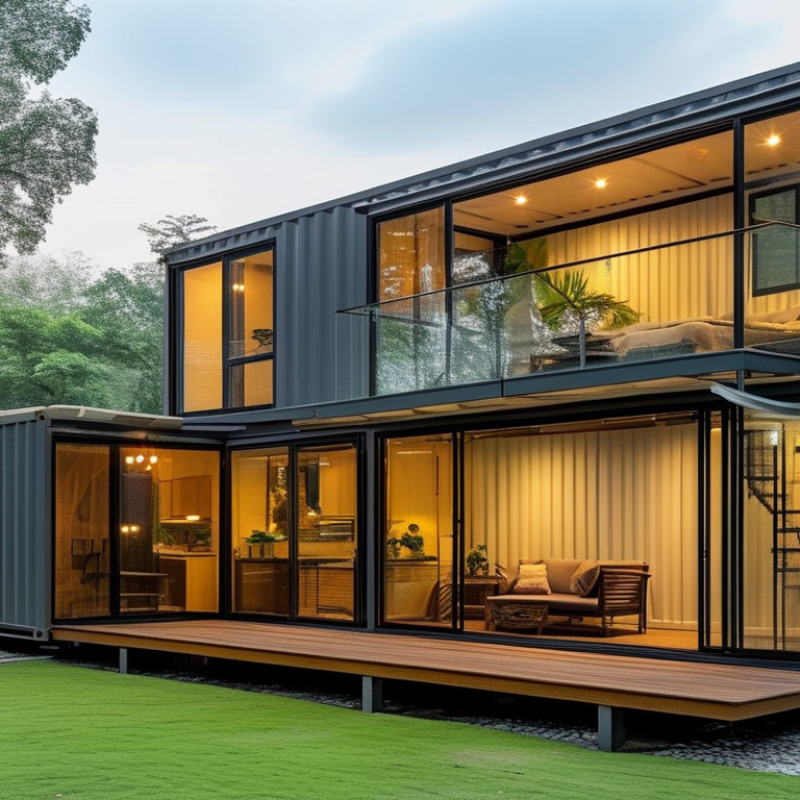
10 Tips on Living Long Term in Container Homes?

Understanding the Benefits and Challenges of Container Home Living

Living in container homes offers unique benefits and challenges. One major advantage is affordability. These homes often require less investment than traditional houses. Containers are durable and can withstand severe weather. However, insulation is crucial for comfort. Poor insulation may lead to an uncomfortable living environment.

Space is another consideration. Container homes may appear small, but clever designs can maximize functionality. Open floor plans help create an illusion of space. Customization is available; however, not every idea is practical. Some designs may need reevaluation for comfort and utility.

Sustainability is a significant benefit. Many container homes use recycled materials. Energy-efficient options can reduce utility costs. Yet maintenance could be challenging, particularly rust over time. Regular upkeep is needed to extend the life of the container. Living in a container home can be rewarding but requires thoughtful planning and reflection on one’s needs.

10 Tips on Living Long Term in Container Homes

Tip Description Benefits Challenges
1. Choose a Suitable Location Select a spot with good access to utilities and amenities. Convenience, higher property value. Zoning restrictions, potential high costs.
2. Insulate Properly Use high-quality insulation to regulate temperature. Energy efficiency, enhanced comfort. Costs and complexity in installation.
3. Plan for Modular Design Design the layout for flexibility and expansion. Adaptability, easier future renovations. Initial design complexity.
4. Consider Off-Grid Alternatives Explore solar, wind, or rainwater collection systems. Sustainability, reduced utility costs. Initial investment, maintenance of systems.
5. Optimize Space Maximize vertical space and multi-functional areas. Functional living, reduced clutter. Requires careful planning and design.
6. Maintain Interior Air Quality Use non-toxic materials and ensure ventilation. Healthier living environment. Ventilation setup may require additional work.
7. Create an Outdoor Living Space Incorporate decks or patios for relaxation. Expanded living space, connection to nature. Weather exposure, maintenance required.
8. Focus on Energy Efficiency Invest in energy-efficient appliances and lighting. Lower bills, eco-friendly living. Higher upfront costs.
9. Stay Connected to Utilities Ensure reliable connections for electricity, water, and internet. Convenient living, access to necessary services. Dependence on external providers.
10. Get Involved in the Community Connect with neighbors and local groups. Improved quality of life, support network. Time investment, potential conflicts.

Essential Design Considerations for Long-Term Comfort in Container Homes

Living in a container home can be a rewarding experience. To ensure long-term comfort, certain design considerations are crucial. According to a 2022 survey by the Container Housing Institute, over 70% of container home dwellers report satisfaction with their living conditions, mainly due to smart design choices.

One essential aspect is insulation. Proper insulation can drastically improve energy efficiency. The National Institute of Building Sciences states that well-insulated homes can save up to 30% on heating and cooling costs. Ensure your container home has high-quality insulation to maintain comfort during extreme temperatures.

Ventilation is another vital consideration. Many container homes can feel cramped or musty without adequate airflow. Installing large windows or strategically placed vents helps maintain air quality. A report from the American Society of Heating, Refrigerating and Air-Conditioning Engineers finds that proper ventilation directly impacts overall health and wellbeing.

Lighting is key. Natural light elevates mood and reduces reliance on artificial lighting, saving energy. Use skylights or open spaces to maximize sunlight. Proper lighting design can enhance functionality while creating a pleasant atmosphere.

Ultimately, thoughtful planning in these areas can lead to a happier, healthier container home experience. Small oversights might lead to discomfort, so take the time to ensure each design choice aligns with long-term living goals.

Energy Efficiency Strategies: Optimizing Your Container Home's Sustainability

Living in container homes presents unique opportunities for energy efficiency. Studies reveal that container homes can consume up to 50% less energy than traditional houses. By employing proper insulation techniques, you can drastically reduce heating and cooling costs. Proper insulation materials, like spray foam or rigid foam board, can keep the temperature stable year-round. However, choosing effective insulation requires research and careful planning.

Solar panels are another effective way to enhance sustainability. According to the U.S. Department of Energy, solar energy can cover 70% of a home’s electricity needs. However, factors like location and roof orientation can greatly impact energy generation. Not all containers are designed for solar compatibility. Therefore, you may need to think outside the box for ideal placements.

Water conservation systems can also be crucial. Rainwater harvesting allows you to use nature's resources wisely, potentially reducing water costs by 30%. But these systems can require significant upfront investment and maintenance. Be prepared to weigh those factors against the long-term savings. Exploring these options thoughtfully can transform your container home into an efficient, sustainable haven.

Community and Lifestyle: Building Connections in Container Home Living

Container home living offers a unique lifestyle that fosters community connections. Many people find themselves in close-knit groups of fellow container home residents. These connections can be invaluable. Sharing resources, experiences, and advice creates bonds that last.

In these communities, shared spaces can become the heart of social life. A communal garden or outdoor area allows for gatherings. Residents often host potlucks or film nights, enhancing their relationships. But it’s not always perfect. Some may struggle with differing lifestyles or privacy issues. Open communication is essential. Creating an inclusive atmosphere requires effort from everyone.

Participating in local events and charities can further strengthen ties. Container home communities can organize clean-up drives or craft fairs. These activities help residents feel more invested in their surroundings. While blending different personalities can be challenging, the rewards are significant. Building a supportive environment encourages personal growth and happiness in this unique lifestyle.

Financial Aspects: Cost Analysis and Budgeting for Container Homes

Container homes present intriguing opportunities for long-term living. However, financial planning is crucial. A 2023 report from the Container Housing Institute indicates that the average cost of building a container home ranges from $10,000 to $35,000, depending on size and location. This data suggests that container homes offer affordability compared to traditional housing options, which often exceed $200,000.

Budgeting is essential in this venture. Initial costs can be enticing, but additional expenses can accumulate. For utilities, insulation, and permits, homeowners can expect to spend around 20% more than the base price. The same report highlights that 30% of container home owners encounter unexpected costs. Planning for these expenses can prevent financial strain.

Another aspect is financing. Traditional mortgages might not apply to container homes due to their unique nature. A 2022 study revealed that only 25% of banks approved loans for non-traditional homes. Homeowners may need to seek alternative financing or consider cash purchases. This reality urges prospective buyers to thoroughly research and reflect on their financial strategies before committing to container living.

FAQS

: What are the main advantages of living in a container home?

: Container homes are affordable and durable. They often cost less than traditional houses. They can withstand severe weather conditions.

Why is insulation important in container homes?

Insulation improves comfort and energy efficiency. Poor insulation can lead to an uncomfortable living environment. It is vital for extreme temperatures.

Can container homes be spacious?

They can appear small but clever design choices can maximize functionality. Open floor plans create an illusion of space.

What should I consider when designing my container home?

Insulation, ventilation, and lighting are crucial. These factors significantly impact comfort and energy efficiency in the long term.

How does ventilation affect container home living?

Adequate airflow prevents a cramped or musty feel. Large windows and vents help maintain air quality and overall health.

Is sustainability a benefit of container homes?

Yes, many use recycled materials. Energy-efficient options can lower utility costs. However, regular maintenance is necessary to prevent rust.

What challenges do container home owners face?

Maintenance can be tricky, especially for rust over time. Some designs may not be practical and need reevaluation for comfort.

How does natural lighting impact container homes?

Natural light enhances mood and reduces energy use. Skylights and open spaces help maximize sunlight in your home.

What can happen if I overlook design details?

Small oversights may lead to discomfort. Thoughtful planning is essential to ensure design choices meet living goals.

How can I ensure comfort in my container home?

Choose high-quality insulation, ensure proper ventilation, and maximize natural light for a happier living experience.

Conclusion

Container homes have gained popularity as a unique housing solution, but the question remains: are container homes suitable for long term living? This article outlines the benefits, such as affordability and eco-friendliness, alongside the challenges, including insulation and space limitations. Key design considerations for ensuring long-term comfort are discussed, emphasizing the importance of thoughtful layouts and efficient use of space.

Energy efficiency strategies play a crucial role in optimizing sustainability, ensuring that container homes remain cost-effective over time. Additionally, building a sense of community and fostering connections among residents can significantly enhance the lifestyle associated with container home living. Lastly, a thorough financial analysis and effective budgeting are essential for prospective owners to navigate the initial investment and ongoing costs, ultimately supporting the viability of container homes as a long-term living option.

Oliver

Oliver

Oliver is a seasoned marketing professional with a wealth of expertise in driving brand awareness and engagement. With a deep understanding of our company's product offerings, he consistently delivers high-quality content that enriches our professional blog. His insights not only shed light on......