Fast container building deployment has transformed the construction industry. The speed of these structures offers unique advantages. According to industry reports, modular construction can be 30-50% faster than traditional methods. This rapid deployment raises an essential question: how fast can container buildings be deployed?
The ability to set up container buildings quickly is crucial in various sectors. Emergency response, education, and housing benefit immensely from swift solutions. For instance, mobile hospitals can be established within weeks, providing immediate care where it’s needed most. Reports indicate an increasing demand for such structures, with a projected 10% annual growth rate in the modular construction market.
However, it’s necessary to reflect on the potential challenges. While fast deployment is appealing, quality control can sometimes suffer. Ensuring that buildings meet safety and durability standards requires rigorous oversight. Balancing speed with quality remains a critical conversation in the growing sector of container buildings. This exploration delves into the top benefits of fast container building deployment in China, highlighting its significance in today’s dynamic environment.
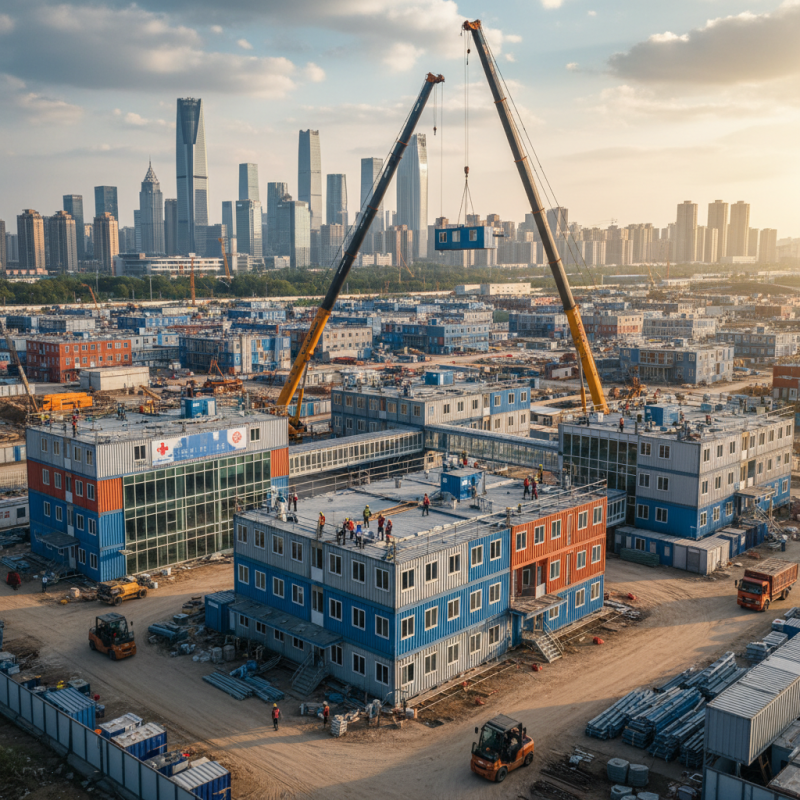
Fast container building deployment is gaining traction in China. This method offers numerous advantages, making it a valuable choice for various projects. One key benefit is the speed of construction. Traditional building methods can take months or even years, but container buildings can be erected in a fraction of that time. This rapid deployment meets urgent needs in many sectors, from housing to emergency facilities.
Another significant advantage is cost-effectiveness. Using repurposed shipping containers reduces materials and labor costs. Additionally, these structures often require less maintenance, leading to lower long-term expenses. When resources are limited, fast container deployments can provide affordable housing solutions quickly.
Tips for successful deployment:
The rapid deployment of container buildings has reshaped construction timelines significantly. Traditional construction can take years, whereas container projects may be completed in a fraction of that time—often within a few months. A study by McKinsey highlights that modular construction can reduce project time by up to 50%. Faster timelines lead to quicker occupancy, enhancing cash flow for developers and investors.
Economic impacts are profound. Reduced time on construction sites can lower labor costs. According to the World Economic Forum, labor accounts for up to 40% of total construction costs. Fast-tracking projects can also minimize financing costs, as less time spent in development translates to reduced interest expenses. Additionally, quicker project turnover can meet urgent needs, such as affordable housing or emergency shelter.
However, rapid deployment isn't without challenges. Quality control can sometimes lag due to the speed of construction. Some projects may compromise on materials or finishes to meet deadlines, raising questions about long-term durability. Careful planning and evaluation are crucial to ensure that the benefits of speed do not overshadow potential drawbacks. Stakeholders must balance speed with quality, promoting a holistic approach in future projects.
Container buildings offer exceptional flexibility in design and usage, making them a popular choice for various applications. They can be customized to meet the specific needs of different industries. From temporary housing to office spaces, the possibilities are endless. These structures can change form as requirements evolve. This adaptability is a significant advantage in our fast-paced world.
One of the key benefits lies in the quick deployment of container buildings. They can be set up rapidly on site, saving time and costs associated with traditional construction. Designers can experiment with layouts. However, this freedom may lead to over-complicated designs that are harder to manage. Striking a balance between creativity and practicality is essential.
**Tip:** Always consider the local climate and site conditions when designing. A unique look should not compromise functionality.
The modular nature of container buildings allows for easy stacking and relocation. This means they can grow with a business or project. Yet, this flexibility also comes with challenges. Seams and joints must be properly sealed to ensure structural integrity. Overlooking these details may result in costly repairs down the line.
**Tip:** Regular maintenance checks are crucial. Ignoring minor issues can lead to larger problems. Flexibility is an asset, but it must be paired with diligence.
Container solutions are gaining popularity due to their sustainability and eco-friendliness. According to the Global Institute for Sustainable Development, using shipping containers for construction significantly reduces waste. Traditional building methods often create excess materials that end up in landfills. In contrast, repurposing containers helps minimize this issue.
One major benefit is energy efficiency. A study by the International Energy Agency found that using container buildings can lower energy consumption by up to 30%. These structures often require less energy for heating and cooling, as they have good insulation properties. Additionally, many container homes utilize solar panels, further enhancing their eco-friendly credentials.
However, it’s important to note that not all container buildings are created equal. Some may require extensive modifications that could diminish their environmental benefits. Furthermore, the sourcing of containers should be ethical to avoid unintended consequences. While container solutions offer many advantages, ongoing assessment and mindful implementation are necessary.
| Benefit | Description | Environmental Impact |
|---|---|---|
| Rapid Deployment | Container buildings can be set up quickly, reducing construction time significantly. | Minimized land disturbance and reduced carbon emissions during construction. |
| Cost-Effectiveness | Lower overall construction costs due to prefabrication and reduced labor needs. | Less waste generation due to efficient material use. |
| Mobility | Container buildings are transportable and can be relocated easily. | Promotes sustainable land use by facilitating flexible site management. |
| Durability | Containers are built to withstand harsh weather, providing longevity. | Reduces the need for frequent replacements, lowering resource consumption. |
| Versatility | Can be used for various purposes, from housing to commercial spaces. | Encourages adaptive reuse of materials, enhancing sustainability. |
| Minimal Site Preparation | Requires less groundwork, making it ideal for sensitive environments. | Preserves local ecosystems and reduces soil erosion. |
| Energy Efficiency | Can be designed with insulation and energy-efficient systems. | Reduces energy consumption and carbon footprint over time. |
| Customizability | Easily modified to meet specific needs and preferences. | Allows for the integration of green technologies and sustainable practices. |
| Reduced Waste | Utilizes shipping containers that would otherwise be discarded. | Promotes recycling and decreases landfill dependency. |
| Aesthetic Appeal | Modern designs can enhance visual appeal and creativity. | Can blend with natural surroundings, reducing visual pollution. |
Fast container building strategies offer significant cost efficiency advantages. These methods reduce construction time substantially, leading to lower labor costs. Quick deployment means projects can start generating revenue sooner. Furthermore, modular designs often lead to less waste, which decreases material costs. This efficiency can be critical in competitive markets where budget constraints are a priority.
Tips: Opt for standardized components. They streamline the building process and reduce costs. Train your team on efficient practices. Efficient labor maximizes savings. Always evaluate suppliers for competitive pricing without sacrificing quality.
While fast container construction is appealing, careful planning is essential. Not all areas are suitable for this method. Consider zoning laws and community acceptance. Unexpected challenges can arise, impacting overall efficiency. Therefore, conducting a thorough feasibility study is crucial before embarking on a project.
Tips: Engage local authorities early. Their insights can save time. Invest in technology for better project management. This investment pays off in the long run. Stay adaptable to changes in market demands to ensure continued success.
: Container buildings are versatile and can serve as temporary housing, office spaces, and more. Their applications are diverse.
They can be set up rapidly, saving both time and costs compared to traditional construction methods. Quick deployment is a major advantage.
Local climate and site conditions must be considered. A unique appearance should not compromise the building's functionality.
Regular maintenance checks are crucial to prevent minor issues from escalating into costly repairs. Diligence is key.
Yes, they reduce waste significantly compared to traditional construction. Reusing containers minimizes excess materials in landfills.
Container buildings can lower energy consumption by up to 30%, thanks to their good insulation properties.
Not all containers may offer environmental benefits. Some may need extensive modifications, and ethical sourcing is important.
Opt for standardized components to streamline the building process. Efficient labor practices can also lead to significant savings.
Consider zoning laws, community acceptance, and conduct a feasibility study to anticipate challenges and ensure efficiency.
Engage local authorities early and invest in technology to manage projects effectively. Staying adaptable to market changes is crucial.
The article explores the top ten benefits of fast container building deployment in China, emphasizing its transformative role in modern construction. One of the primary advantages is the rapid construction timelines, which significantly enhance economic productivity. By addressing the question of how fast can container buildings be deployed, it becomes evident that the speed of assembly allows for quicker project turnarounds and faster returns on investment.
Furthermore, container buildings offer remarkable flexibility in design and usage, enabling diverse applications ranging from residential to commercial spaces. Their sustainability and eco-friendliness make them an attractive option in today’s environmentally-conscious market. Overall, the cost efficiency of fast container building strategies stands out as a compelling reason for their growing popularity, providing a practical solution to the challenges of traditional construction methods.

Goldy Homes