Top Container Buildings How Fast Can They Be Deployed?

Time:2026-10-18 Author:Henry
0%

How fast can container buildings be deployed? The honest answer depends on more than factory production. Design approval, site access, foundations, transport, lifting equipment, and utility connections all shape the schedule. A prepared urban site may receive a basic modular unit within six to twelve weeks after approvals. A remote site, however, can require several additional months. Weather can slow concrete work. Limited roads can delay delivery.

Dr. Ryan E. Smith, an expert in off-site construction and author of Off-Site Architecture, has warned, “Off-site construction is not a panacea.” That caution matters. Container buildings can shorten construction time, but they do not remove planning, engineering, or inspection requirements. Their speed comes from parallel work. While foundations are prepared, units can be modified inside a controlled factory. Wiring, insulation, windows, and finishes may progress at the same time. This reduces waiting between trades.

The following discussion examines how fast can container buildings be deployed across different project conditions. It considers small offices, emergency facilities, classrooms, and larger commercial developments. It also separates manufacturing time from total project time. That distinction is often overlooked. A unit may leave the factory quickly but wait days for a crane, road permit, or final inspection. Actual experience remains uneven. Some projects meet ambitious deadlines. Others reveal costly gaps in early planning. Understanding those gaps creates a more reliable deployment forecast.
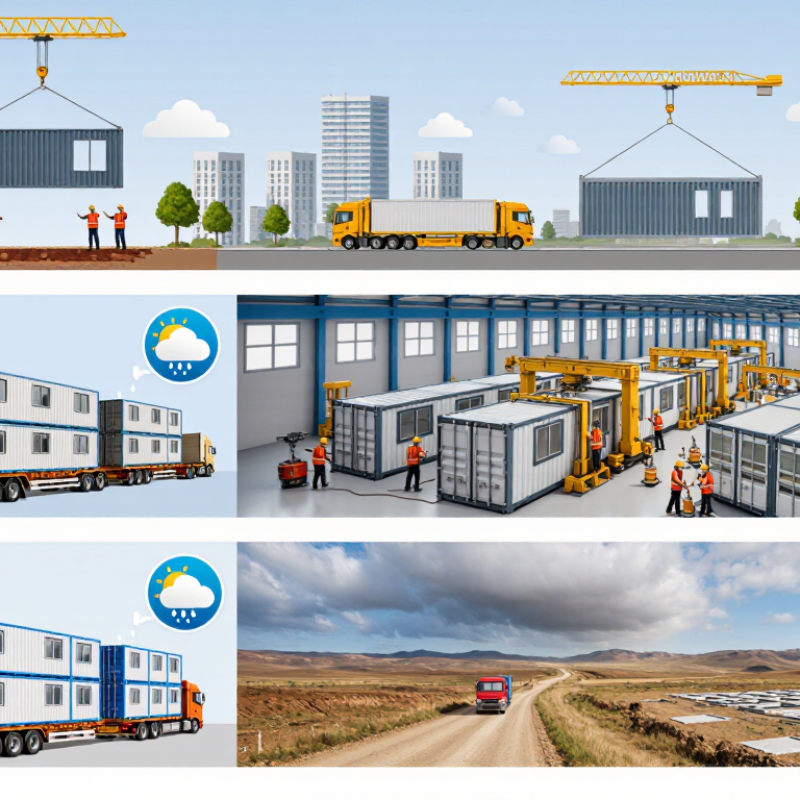
Top Container Buildings How Fast Can They Be Deployed?

Container Building Types and Their Typical Deployment Speeds

Top Container Buildings: How Fast Can They Be Deployed?

Container buildings differ greatly in deployment speed. A single modified unit, such as a site office or restroom, may reach operation within two to six weeks. Factory preparation often takes most of that period. On-site placement can take only one to three days after foundations, utilities, and access are ready. These figures reflect common industry planning ranges, not guaranteed delivery dates.

Stacked accommodation, classrooms, and healthcare units usually require eight to sixteen weeks. Their schedules include structural connections, fire protection, electrical testing, and interior finishing. Larger hybrid buildings, combining containers with steel frames or permanent foundations, commonly need four to nine months. A 2019 McKinsey industry analysis reported that modular construction can reduce project schedules by 20% to 50% compared with conventional methods. Container projects may achieve similar gains when design and site preparation run together.

Permits still matter.

The fastest projects often use repeatable layouts and pre-approved specifications. Difficult soil, restricted truck access, winter weather, or late engineering changes can erase those advantages. The Modular Building Institute’s permanent modular construction reports also show strong market growth, but market growth does not prove every project will be fast. That distinction deserves attention. In practice, a two-week installation can follow three months of planning. The quoted deployment period may therefore appear impressive while hiding critical preparation work. Reliable schedules should separate factory production, transport, installation, commissioning, and occupancy approval. They should also include contingency time, because optimistic estimates remain common in container construction.

Key Stages in the Container Building Deployment Process

Top Container Buildings: How Fast Can They Be Deployed?

Key Stages in the Container Building Deployment Process

Deployment begins with a site survey, not a crane. Engineers check soil, drainage, access width, utilities, and local building requirements. A clear survey can prevent expensive redesigns later. McKinsey’s 2019 report, Modular construction: From projects to products, found modular methods can shorten construction schedules by 20% to 50%. Container buildings may achieve similar gains when designs are repeated and approvals are ready.

Design development follows the survey. Structural engineers verify stacking loads, wind resistance, insulation, fire separation, and lifting points. Fabrication can then occur off-site while foundations are prepared. On delivery day, a planned route and lifting schedule matter. A narrow gate can delay an entire project. After placement, crews connect electrical, plumbing, ventilation, and fire-safety systems. Commissioning includes pressure tests, electrical checks, moisture inspections, and user walkthroughs. The process sounds simple. It rarely is.

Tips: Keep a document-controlled drawing set. Confirm crane reach before ordering transport. Photograph concealed connections before closing walls. Allow contingency time for weather and utility changes. The Modular Building Institute’s 2024 industry reporting continues to emphasize factory production and repeatable processes as major efficiency drivers. Still, speed can create blind spots. One missed drainage detail may undermine an otherwise excellent schedule. Building control officers and qualified engineers should review every critical stage.

Site Preparation and Foundation Requirements

Top Container Buildings: How Fast Can They Be Deployed?

Site preparation often determines the real deployment speed of a container building. A prepared unit may arrive quickly, but unsuitable ground can stop the project immediately. Begin with a soil assessment, drainage review, and accurate site survey. Soft clay, steep grades, and seasonal frost may require deeper foundations or ground improvement. These conditions are easy to underestimate.

Foundation choices depend on soil strength, building loads, local climate, and approved engineering requirements. Concrete pads, strip footings, or screw piles can all work when properly designed. The foundation must support each load point evenly. Small height differences can create door problems, floor movement, or water intrusion. Allow space for lifting equipment and keep the access route firm, level, and clear. Utility trenches should be planned before concrete placement. Rework is expensive.

Tips: Confirm soil conditions before ordering materials. Mark foundation points with visible stakes. Check drainage after heavy rain. Leave tolerances for field adjustments. Do not assume a flat-looking site is ready. A rushed plan may save days on paper, then lose weeks during installation. Review the foundation design with a qualified local engineer and verify permits, frost depth, wind exposure, and anchoring requirements before construction.

Factors That Affect Container Construction Timelines

Top Container Buildings: How Fast Can They Be Deployed?

Factors That Affect Container Construction Timelines

Container buildings can appear on site quickly, but deployment speed depends on more than delivery. A prepared site may accept units within days. An unprepared site can delay the project for weeks. Soil testing, drainage, access roads, and foundation work often control the schedule.

Design complexity also matters. Basic layouts usually require fewer structural changes. Cutting openings, joining several units, or adding stairways needs detailed engineering. Factory fabrication can reduce on-site labor, yet custom work may extend production time. Windows, insulation, plumbing, electrical systems, and fire protection must arrive in the correct sequence.

Permits and inspections are frequent schedule drivers. Requirements differ by location and building use. Missing documents can stop installation, even when the modules are ready. Weather can slow foundation work, crane operations, and utility connections. Transport routes matter too. Narrow streets, low bridges, and restricted delivery hours create practical limits.

A reliable timeline includes contingency days. Estimates are rarely perfect. Teams sometimes focus on manufacturing and overlook local utility connections. That mistake is expensive. Clear drawings, early approvals, and regular site checks improve coordination. A small design change can still create a large delay. Availability of skilled installers also affects the final handover date.

Ways to Accelerate Container Building Deployment

Container buildings can be deployed quickly when planning starts before the first unit arrives. A small, single-story facility may become weather-tight within days. However, speed depends on permits, ground conditions, utility connections, and interior requirements. A prepared foundation, surveyed access route, and confirmed delivery schedule remove common delays. Standardized modules also reduce design revisions and simplify factory production.

Tips: Choose repeatable layouts, finalize drawings early, and assign one coordinator for every supplier. Prepare cranes, lifting zones, and temporary storage before delivery day. Keep plumbing and electrical entry points consistent across units. Inspect welds, seals, flooring, and fire-safety systems as modules are connected. Do not rush these checks. A fast installation is not successful if water enters through a joint after the first storm.

Experienced project teams often use a site-readiness checklist with photographs and dated approvals. They also schedule inspections while units are being manufactured, rather than waiting for arrival. Digital measurements can improve accuracy, but field conditions still change. An unexpected slope or narrow gate may force a crane-plan revision. That happened on one compact site, and the delay exposed a weak assumption: transport planning had been treated as an administrative task. Build time improved after the team tested the route with a full-size vehicle and rehearsed the lifting sequence.

FAQS

What should happen before a container building arrives?

Engineers should survey soil, drainage, access, utilities, and local building requirements. Do not start with the crane.

How does site condition affect deployment speed?

Soft clay, steep slopes, frost, or poor drainage can require deeper foundations or ground improvement. A flat-looking site may still be unsuitable.

Which foundation options can support a container building?

Concrete pads, strip footings, and screw piles may work when properly engineered. The choice depends on soil, loads, climate, and local requirements.

Why must foundation levels be accurate?

Uneven support can cause doors to stick, floors to move, or water to enter. Small details matter.

What should the design team check?

They should verify stacking loads, wind resistance, insulation, fire separation, lifting points, and anchoring details.

Can factory production shorten the construction schedule?

Yes, repeated designs and off-site fabrication can reduce site work. However, approvals and prepared foundations remain essential.

What can delay delivery and lifting?

Narrow gates, weak access roads, poor weather, and insufficient crane reach can stop installation. Route planning is not optional.

Which systems require testing after placement?

Crews should connect and test electrical, plumbing, ventilation, and fire-safety systems. Checks should include pressure, electricity, moisture, and user operation.

What documents and precautions help prevent rework?

Keep controlled drawings, photograph hidden connections, mark foundation points, and plan utility trenches early. Rework is costly.

Is a fast deployment plan always reliable?

No. Speed can hide drainage mistakes, utility changes, or overlooked permits. The schedule may look excellent and still fail.

Conclusion

Container buildings can be deployed rapidly, but the exact timeline depends on their design, size, and intended use. Simple single-unit offices or small shelters may be prepared within days, while larger modular facilities can require several weeks for engineering, manufacturing, transportation, and on-site assembly. The key stages include planning, permits, site surveys, foundation work, container modification, delivery, installation, utility connections, and final inspections. Understanding how fast can container buildings be deployed requires evaluating the entire process rather than focusing only on assembly time.

Site preparation is essential because level ground, drainage, access routes, and suitable foundations help prevent delays. Weather, transportation distance, customization, local regulations, labor availability, and utility connections can all affect construction timelines. Deployment can be accelerated by completing designs early, using standardized modules, preparing foundations in advance, coordinating suppliers and installers, and conducting inspections throughout the project. With careful planning and efficient coordination, container buildings can provide a flexible and practical space solution in a relatively short period.

Henry

Henry

Henry is a dedicated marketing professional with a profound expertise in the company's offerings. With years of experience in the industry, he possesses an impressive understanding of the market dynamics and consumer behaviors that drive success. Henry is committed to sharing his insights through......