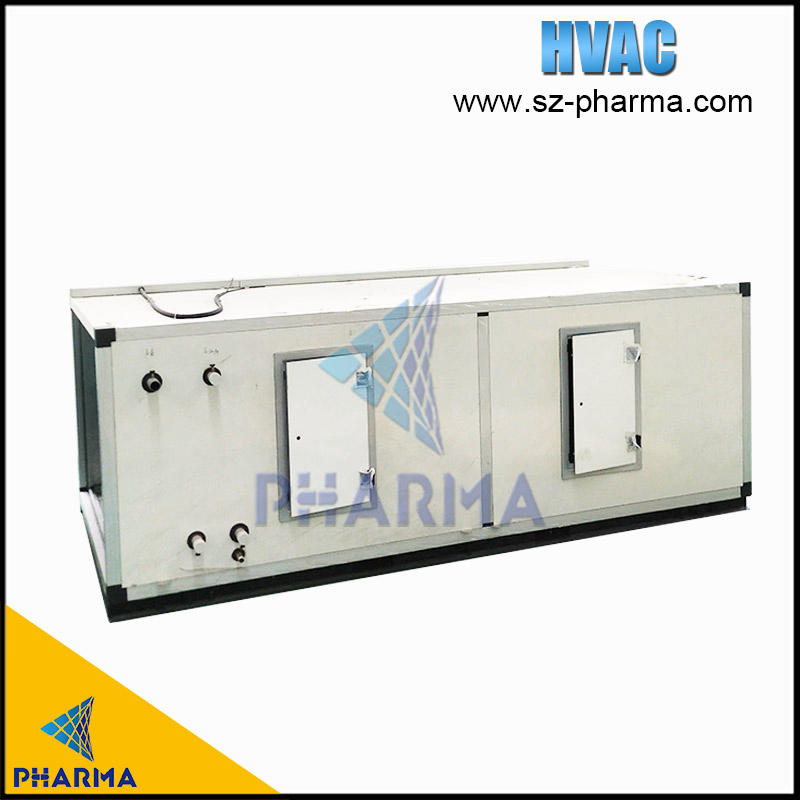
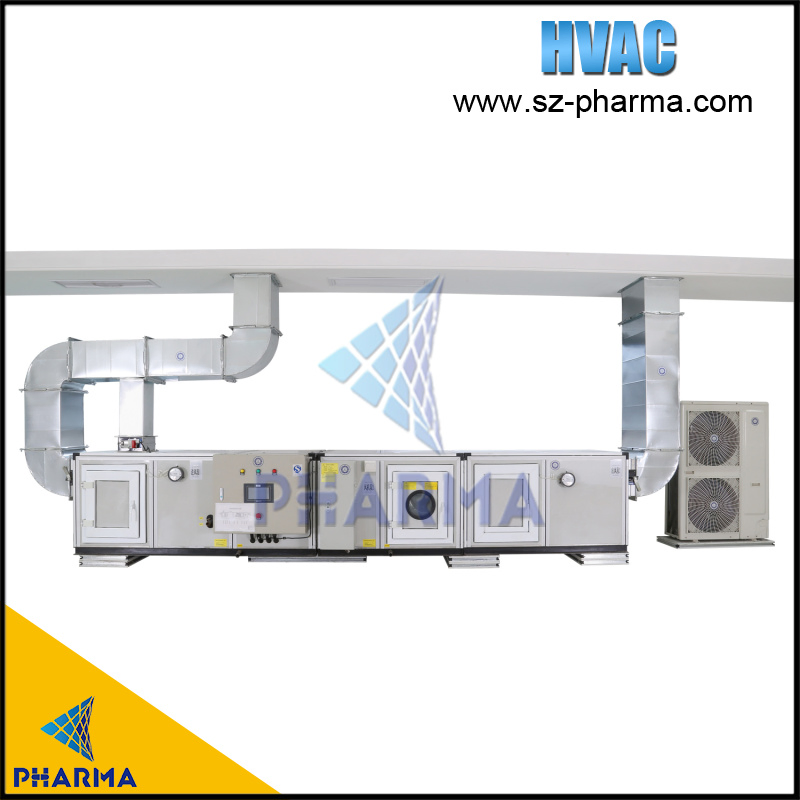
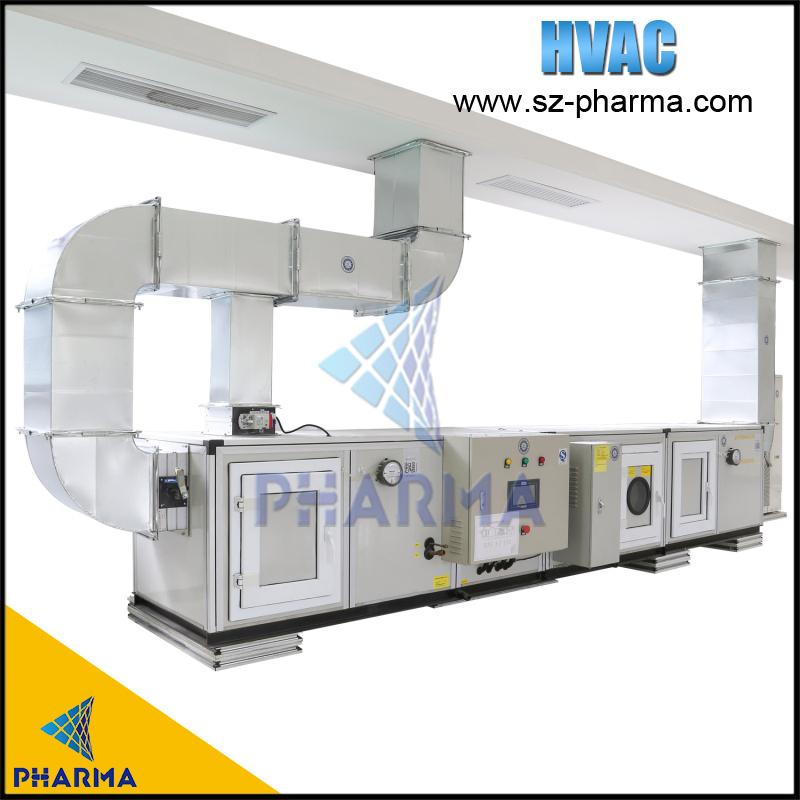
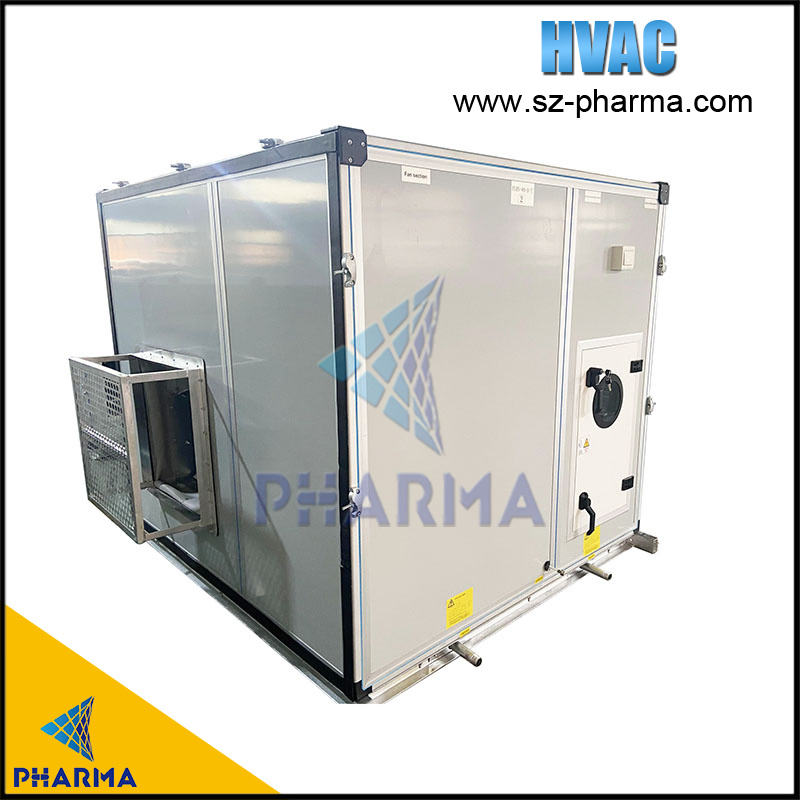
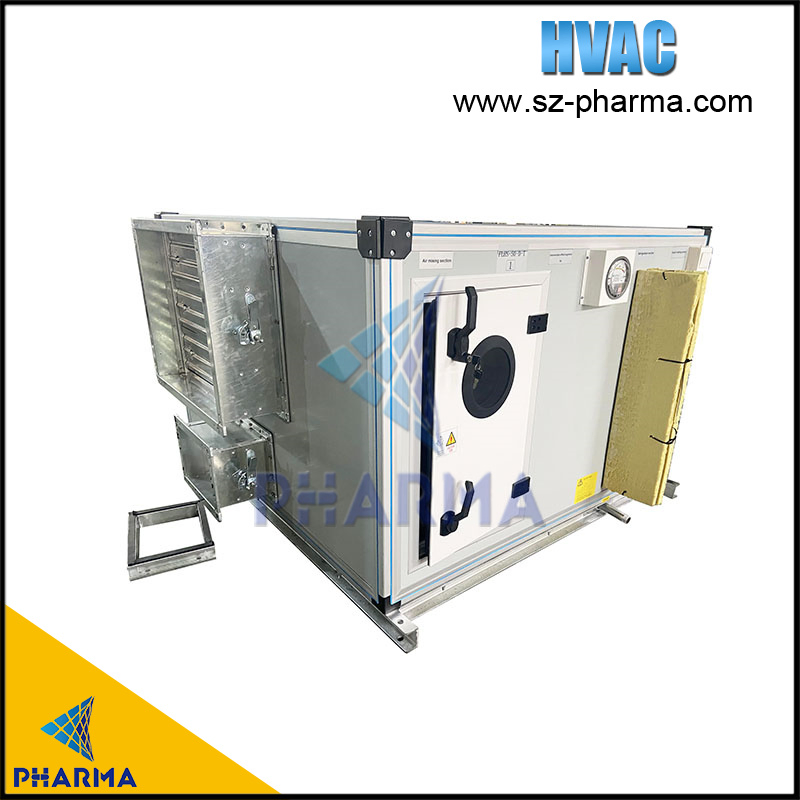
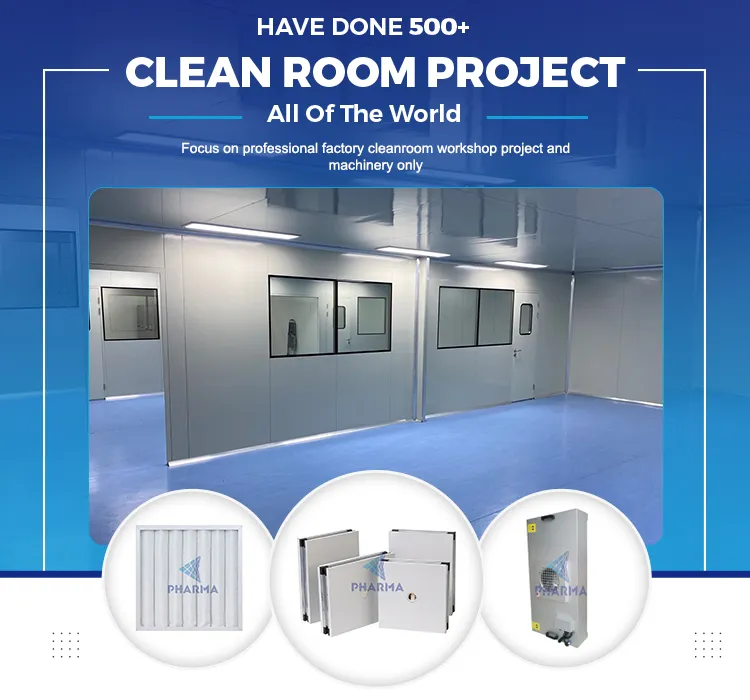
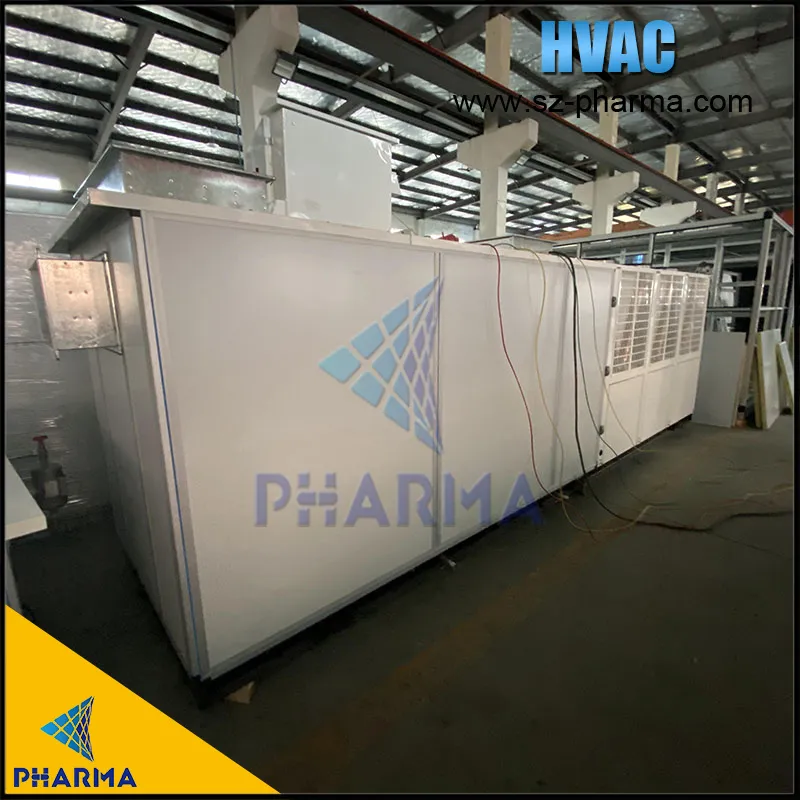
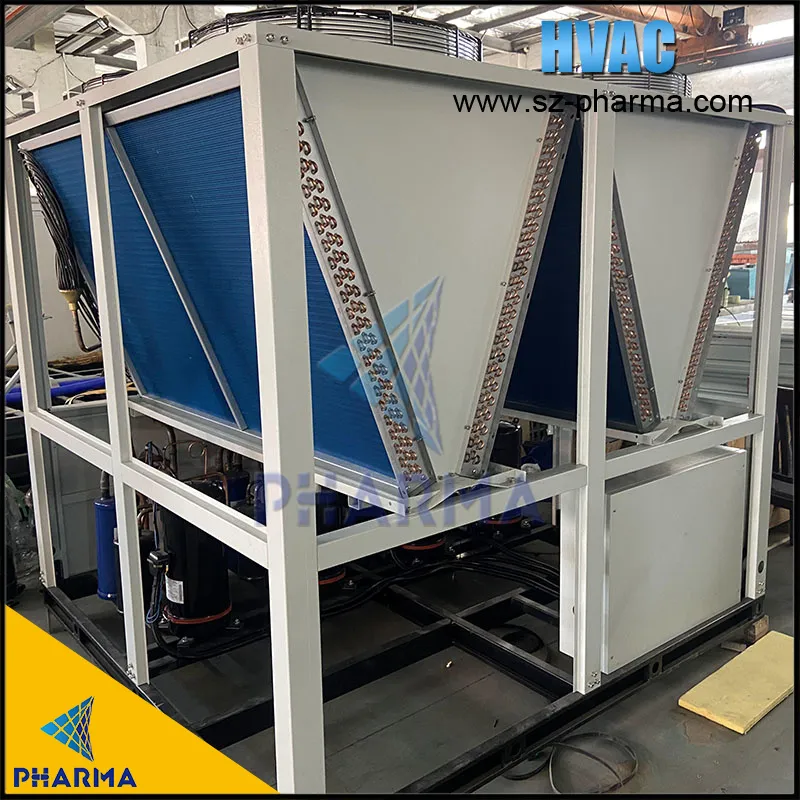
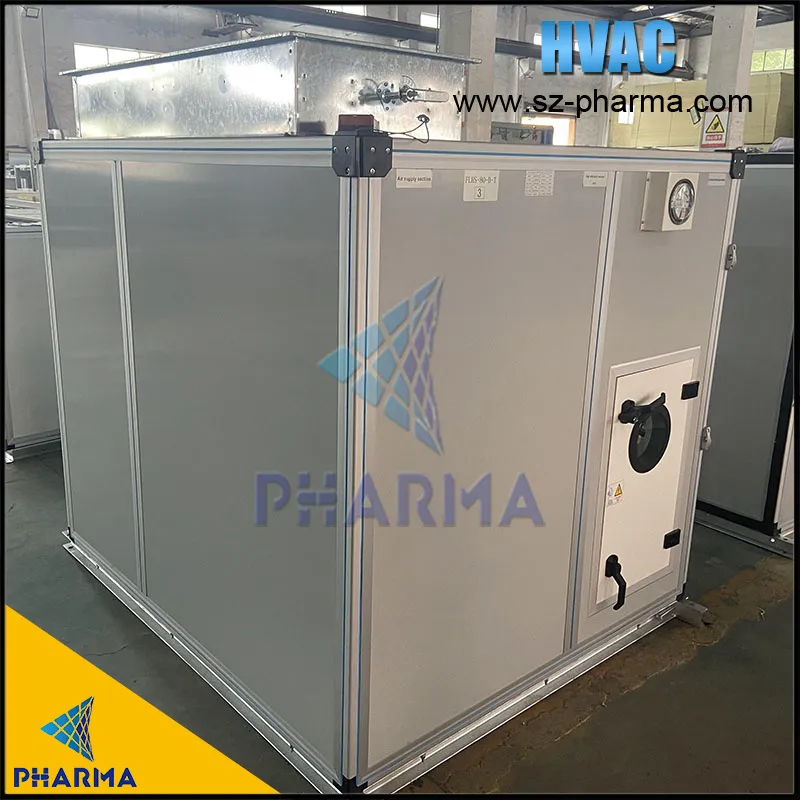
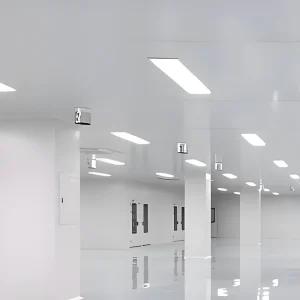
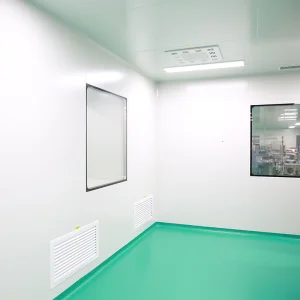
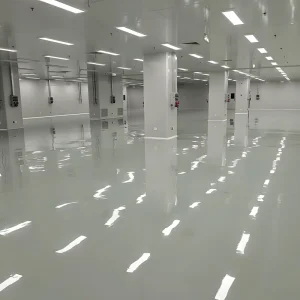
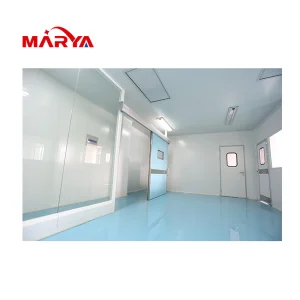
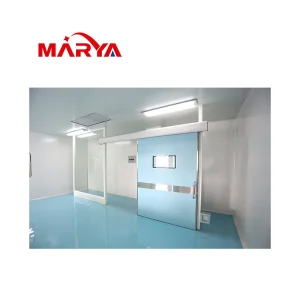
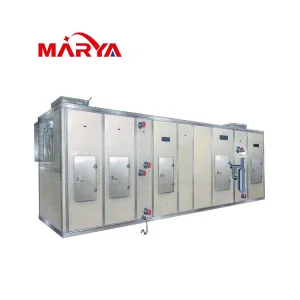
A clean room HVAC (Heating, Ventilation, and Air Conditioning) system is specifically designed to maintain an ultra-clean environment with precise temperature, humidity, and air purity control. This is critical for manufacturing processes where the slightest contamination can compromise product quality and safety.
1
Air FiltrationThe system uses multiple stages of HEPA and ULPA filters to remove particles as small as 0.3 microns, ensuring particle-free air.
2
Air Pressurization ControlMaintains positive pressure to prevent unfiltered air entry, with closely monitored pressure differentials.
3
Temperature & Humidity ControlEssential for stability in manufacturing processes and pharmaceutical product integrity.
4
High Air Changes per Hour (ACH)Ranges from 50 to over 200 ACH to rapidly flush out airborne contaminants.
5
Optimized Air DistributionLaminar or turbulent airflow patterns designed to reduce particle migration risks.
6
Validation & MonitoringContinuous monitoring ensures the system functions within predefined sterile parameters.
Frequently Asked Questions
Q1: What is the primary purpose of a Clean Room HVAC system?
It is designed to control temperature, humidity, and air purity precisely, preventing contamination in sensitive manufacturing environments like laboratories and pharmaceutical factories.
Q2: What types of filters are used in these units?
We utilize multiple stages of filtration, primarily HEPA (High-Efficiency Particulate Air) and ULPA (Ultra-Low Penetration Air) filters to capture particles as small as 0.3 microns.
Q3: Can the system be customized for specific room sizes?
Yes, we offer OEM and ODM services. The cooling capacity ranges from 10kw to 260kw, and air clean grades can be adjusted from Class 100 to 1,000,000.
Q4: How is cross-contamination prevented?
Cross-contamination is prevented through separate supply and exhaust ducts, positive air pressure control, and high-frequency air changes per hour (ACH).
Q5: What are the typical applications for this AHU?
Typical applications include pharmaceutical plants, hospitals, specialized laboratories, food industry factories, and clean room office buildings.
Q6: What is the expected lifetime of the equipment?
With proper maintenance, the equipment has a service life of approximately 5 to 10 years, depending on the operating environment.
 Goldy Homes