Equatorial Guinea is currently executing a structural transition within its macro-economic landscape. Geographically bifurcated into the Insular Region (comprising Bioko Island, where the capital city of Malabo sits, along with Annobón Island) and the Continental Region (Rio Muni, centered around the industrial port city of Bata and the administrative hub of Ciudad de la Paz), the nation faces unique logistical challenges. Historically driven by deepwater oil and natural gas extractions at major offshore blocks like Zafiro and Ceiba, the public and private sectors are diversifying capital allocation into inland logistics networks, downstream processing, and sustainable public works.
The geographic division poses significant mobilization constraints. Constructing permanent concrete foundations on the humid, volcanic soils of Bioko or navigating raw building materials into the dense rain forests of the interior requires substantial energy and capital. Furthermore, traditional civil engineering schemes are sluggish. Projects face delays due to supply chain links through the Port of Malabo and Port of Bata. Consequently, modular, pre-engineered structural solutions—specifically Foldable Mobile Housing Systems—have transitioned from temporary emergency shelters to key components of structural planning for local oil fields, civilian infrastructure, and national security offices.
Moreover, the Equatorial Guinean government's focus on national development plans emphasizes rapid, high-quality infrastructure that complies with environmental standards. Standard shipping-container conversions and foldable steel-frame systems allow developers to minimize onsite carbon footprints, eliminate concrete curing delays, and overcome local skilled labor deficits. In Malabo’s Punta Europa industrial zone or Bata’s logistics corridors, the adoption of rapidly expandable structures serves as a critical operational multiplier.
The global construction industry is undergoing a paradigm shift towards Off-Site Manufacturing (OSM) and Prefabricated Volumetric Modular Construction (PVMC). Under pressure from fluctuating raw material prices, labor shortages, and stringent ESG (Environmental, Social, and Governance) policies, global developers are moving away from traditional on-site fabrication. Modern foldable mobile housing systems represent the peak of this evolution, offering high-precision engineering, space optimization during transport, and fast onsite deployment.
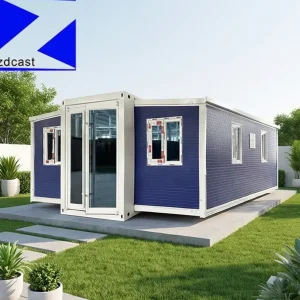
Historically, early-generation modular designs suffered from poor thermal management, vulnerable joints, and shipping limitations. Shipping a fully erected modular home meant transporting mostly empty air, driving up logistics costs. Modern foldable housing systems solve this through a flat-pack structure. In their folded state, these buildings are compressed to just 1/4 or 1/5 of their fully expanded volume. This allows a single 40ft High Cube container to carry up to 8 complete units. Once on site, a standard crane or crane-equipped truck can unfold the main frame in under 10 minutes, securing the walls, floor, and roof into a rigid, wind-resistant structure.
"The logistical efficiency of modern foldable housing is unmatched. By collapsing the volume for transit, we reduce ocean freight costs by up to 75% while maintaining structural integrity capable of withstand Category 3 hurricanes upon expansion." — Chief Engineer, Ningbo Goldy Homes Co., Ltd.
Advanced manufacturers like Ningbo Goldy Homes Co., Ltd. leverage state-of-the-art automated production lines to achieve tolerances of less than 1.0mm on galvanized steel framing. This level of precision is crucial: it ensures that when the structural hinges pivot during deployment, the joints fit tightly, maintaining the building's thermal envelope and structural alignment. This prevents moisture, wind, and pests from entering the unit, which is vital for long-term durability in challenging climates.
Deploying modular assets in West Africa, particularly along the Gulf of Guinea, requires careful engineering to withstand the local climate. Equatorial Guinea's coastal zones have a maritime climate with high salt mist, continuous humidity (often 80-95%), and seasonal downpours during the wet season. Traditional steel framing can rust within months if not properly treated, while poor insulation can cause rapid heat buildup and internal condensation, leading to mold and structural degradation.
To address these challenges, our engineering team utilizes high-spec materials and finishes:
The versatility of foldable mobile housing systems allows them to support a wide range of industries across the island and mainland regions of Equatorial Guinea. Below are key deployment scenarios where these systems offer significant advantages over traditional construction methods:
Highly durable, flame-retardant accommodations, control centers, and office spaces designed for rapid deployment near Malabo (Punta Europa) and remote drilling locations.
Providing essential support structures, temporary worker housing, and engineering offices in the developing interior around Ciudad de la Paz.
Cleanroom-grade panels and secure structures used to deploy medical stations, emergency housing, and isolation units in remote areas.
For energy exploration companies operating near Punta Europa or offshore blocks, housing staff quickly is key to project timelines. Foldable units can be shipped directly to Malabo, trucked to the site, and set up in a few hours. These units can be combined side-by-side or stacked to create multi-room complexes, including en-suite living quarters, dining halls, recreation centers, and administrative offices. The steel frames are designed to withstand coastal winds and sea spray, providing a reliable housing solution for remote teams.
Developing the nation’s interior requires housing for large construction teams. Foldable housing systems provide high-quality temporary accommodations that can be easily relocated as project phases shift. Once an infrastructure phase is complete, the units can be folded back down, loaded onto flatbed trucks, and moved to the next site. This minimizes waste and reduces overall project costs compared to building temporary brick-and-mortar structures.
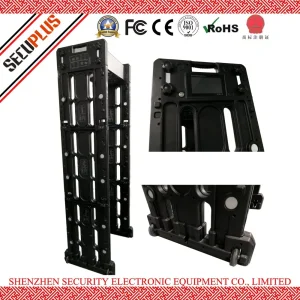
With border check points along the Rio Muni mainland bordering Cameroon and Gabon, secure, rapidly deployable outposts are vital. Heavy-gauge galvanized steel frame systems can be reinforced with external screening or ballistic panels. Equipped with integrated electrical wiring, solar panels, and secure HVAC units, these structures provide operational security in remote field conditions.
The next generation of foldable mobile housing systems will go beyond basic structures to become smart, self-sustaining units. Ningbo Goldy Homes is integrating modern technology to improve comfort, efficiency, and sustainability:
Recognizing that power grids can be unreliable or unavailable in remote areas of Equatorial Guinea, our future configurations feature optional roof-integrated photovoltaic (BIPV) systems. These flexible solar panels fold away during transport and expand on site, connecting to smart lithium-iron-phosphate (LiFePO4) battery packs. This system provides consistent power for LED lighting, air conditioning, and communication gear without relying on diesel generators.
Modern units can be equipped with IoT sensor arrays that monitor interior air quality, humidity levels, and structural stress. These sensors connect to a central terminal, allowing site managers to track the condition of their housing assets in real time. Automated ventilation systems adjust air exchange rates based on indoor humidity, preventing condensation and mold growth.
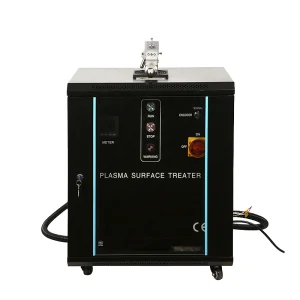
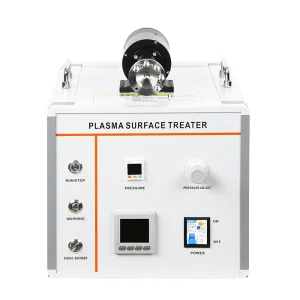
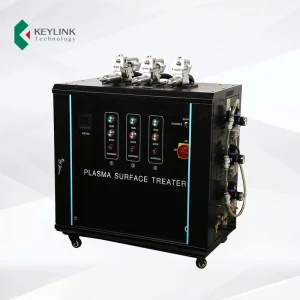
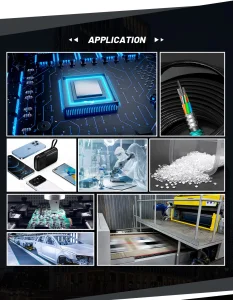
To further improve durability, we utilize atmospheric pressure plasma surface cleaning and activation on metal and composite surfaces before applying protective finishes. This process alters the surface energy of materials, ensuring that marine-grade coatings and sealants bond more effectively to the substrate, preventing peeling and corrosion over time.
Ningbo Goldy Homes Co., Ltd. is a professional manufacturer specializing in modular building systems, container homes, clean room houses, and portable housing solutions in China. With years of industry experience, the company integrates design, production, customization, and global supply to deliver high-quality and efficient building solutions for diverse applications.
Goldy Homes focuses on providing innovative modular structures that are widely used in residential housing, temporary accommodation, commercial projects, industrial facilities, and specialized environments such as clean rooms. Our products are engineered with durability, flexibility, and sustainability in mind, ensuring fast installation, easy transportation, and cost-effective deployment.
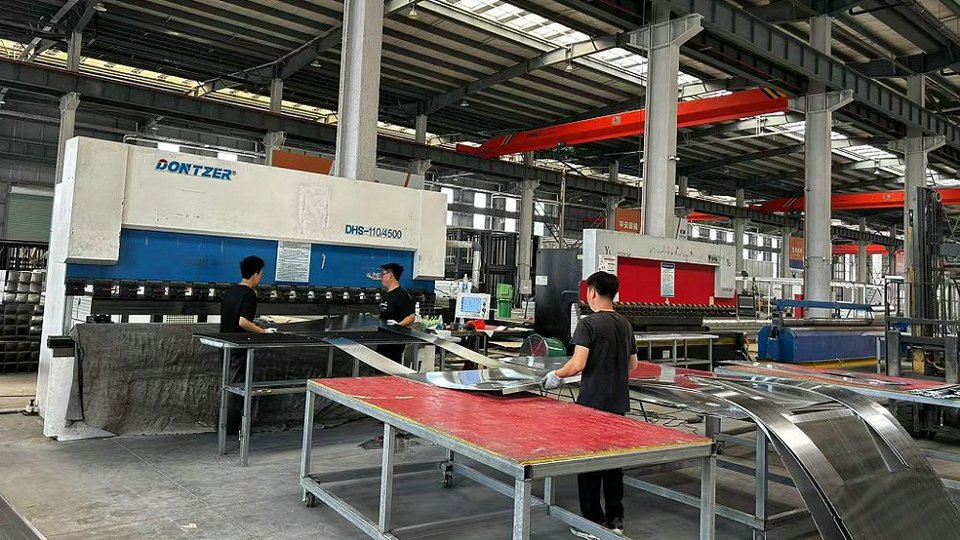
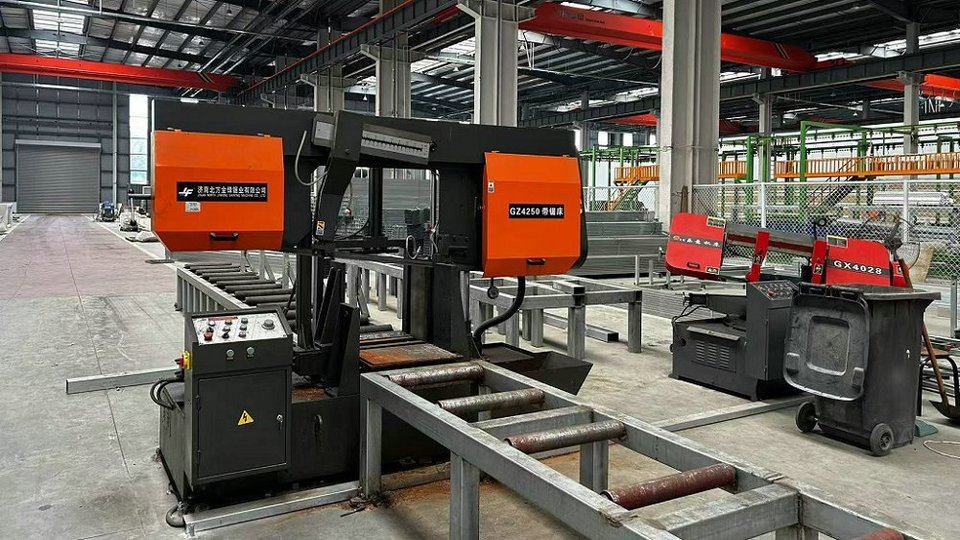
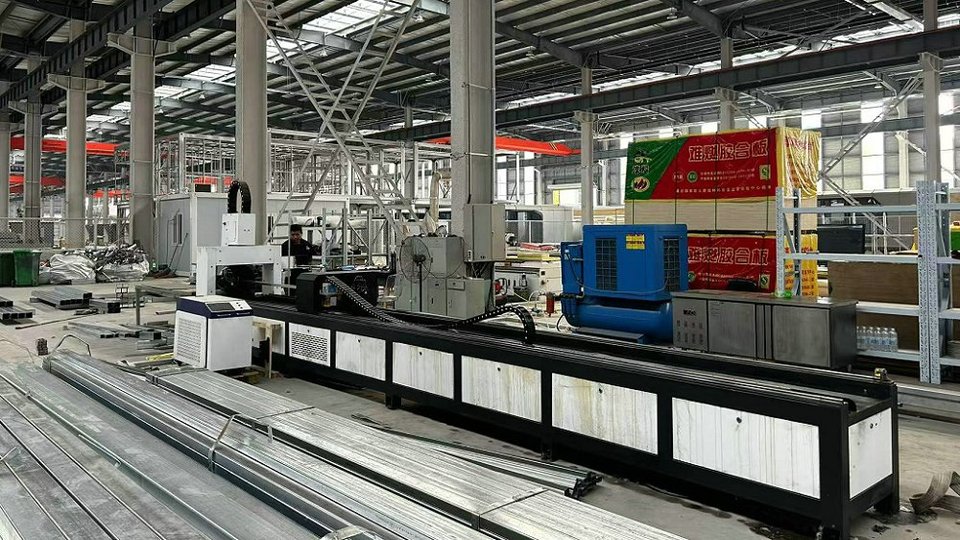
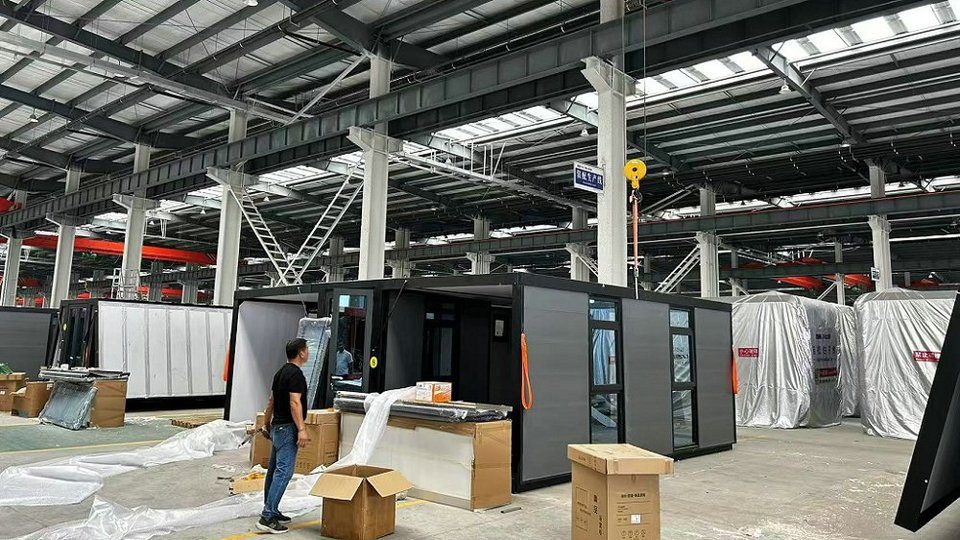
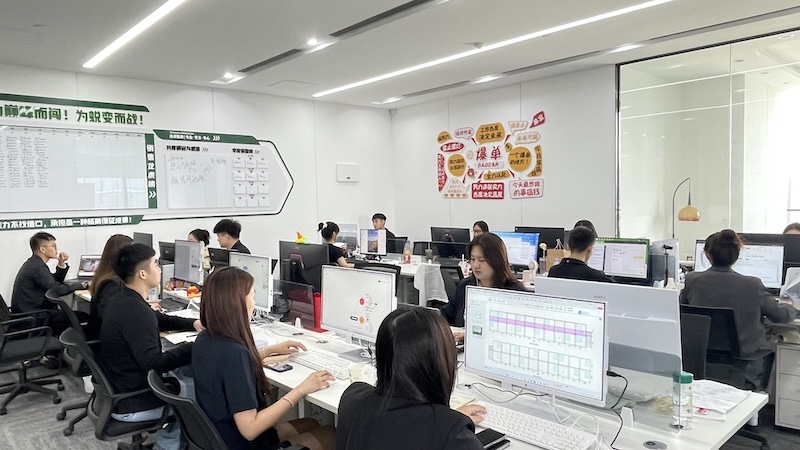
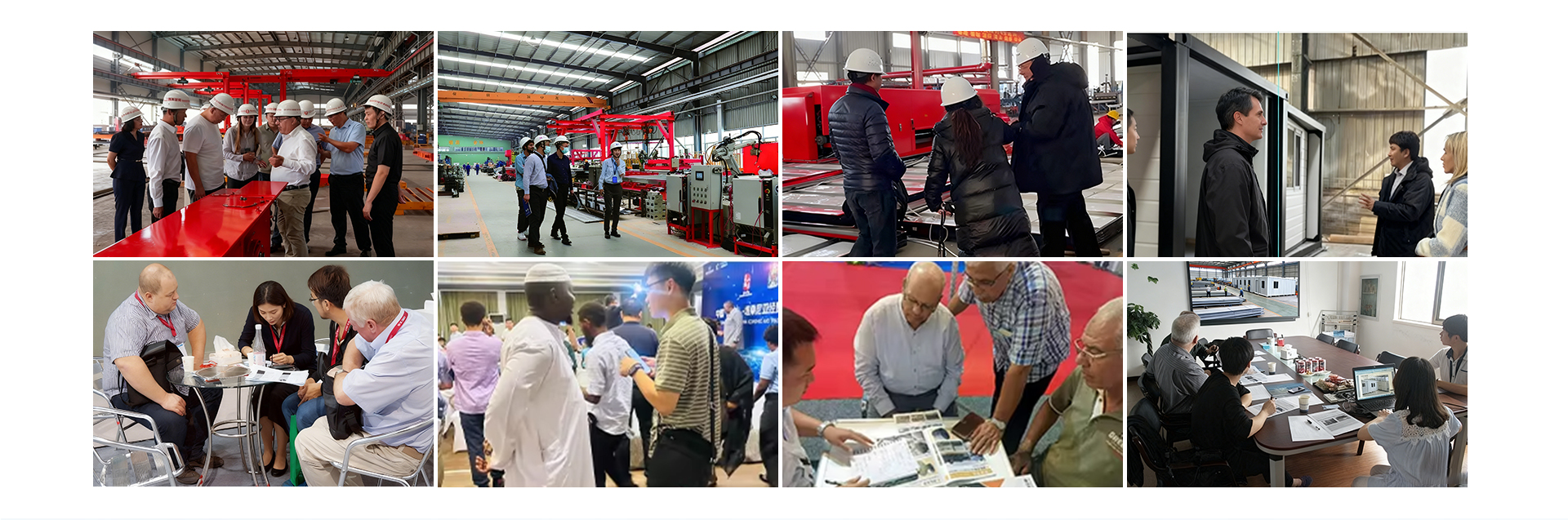
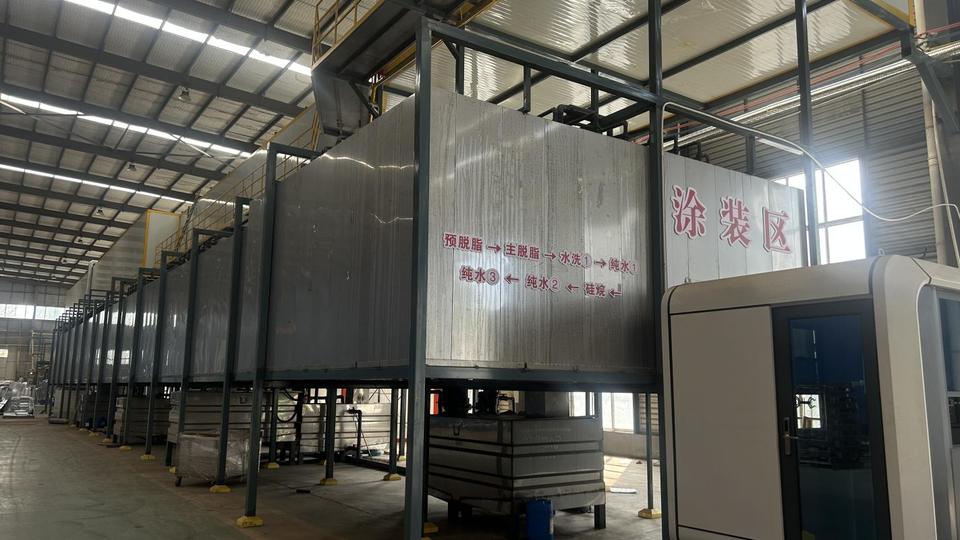
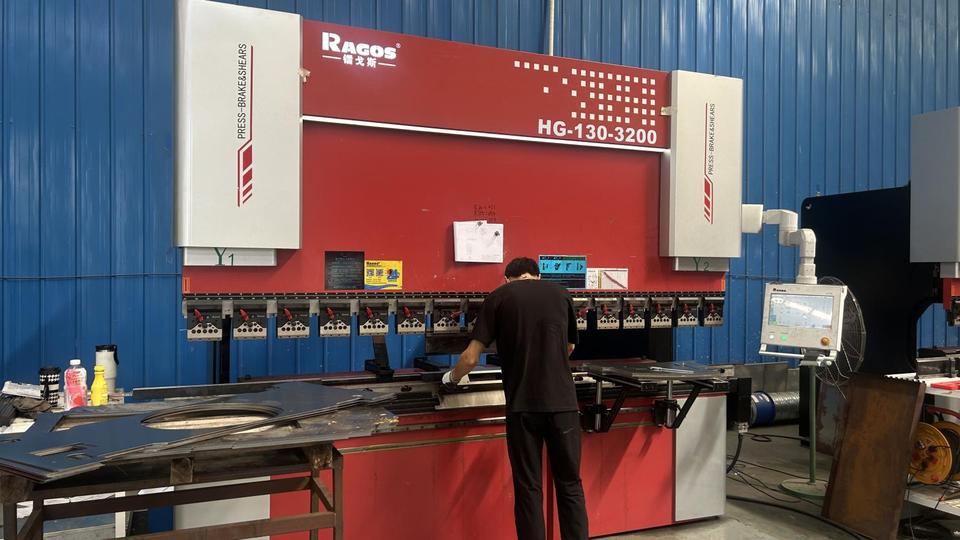
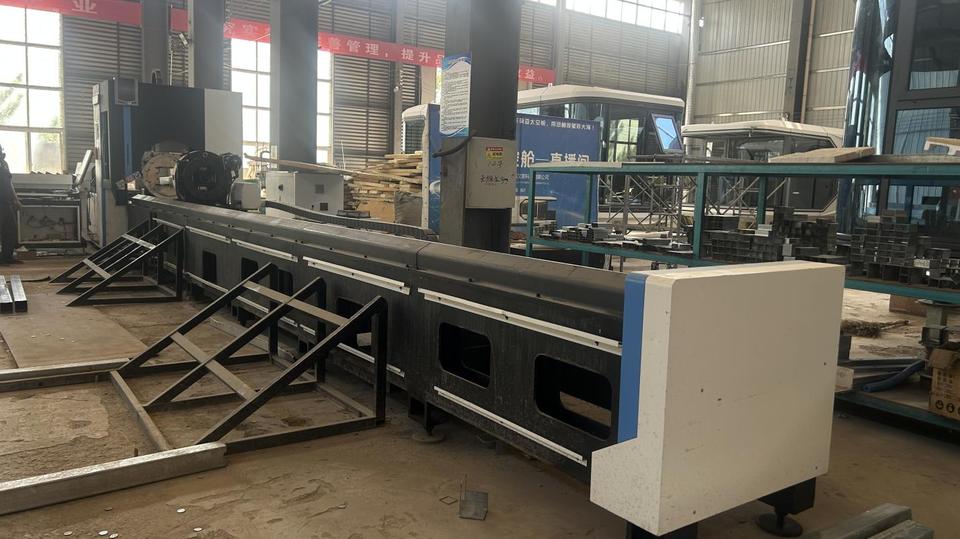
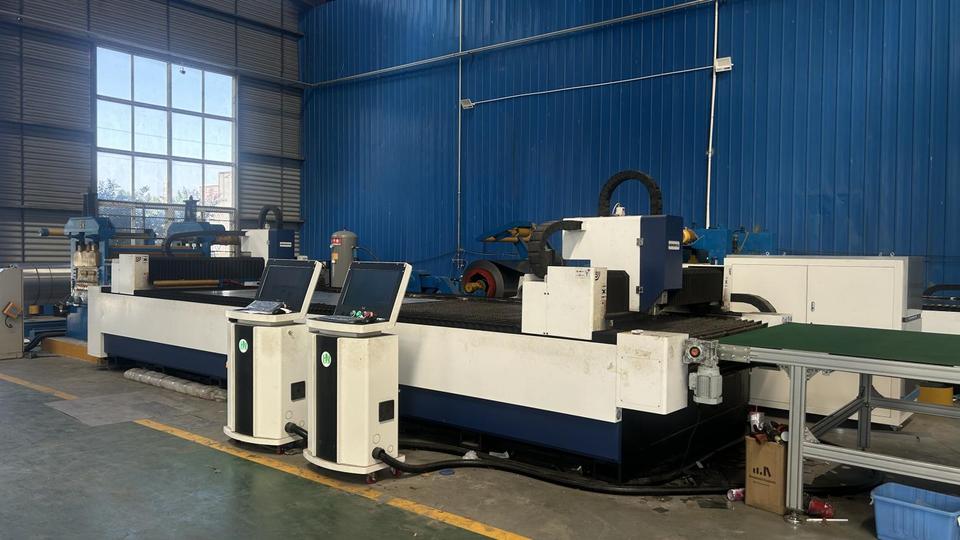
Equipped with advanced manufacturing equipment and a skilled technical team, Ningbo Goldy Homes Co., Ltd. strictly follows international quality standards throughout the production process. From structural design and material selection to fabrication and final inspection, every step is carefully controlled to ensure reliable performance and long service life. We are committed to delivering customized solutions tailored to meet the specific requirements of global clients. By combining modern technology with practical engineering, Goldy Homes continues to provide efficient, safe, and scalable modular building solutions. Our goal is to help customers achieve faster project completion, optimized costs, and superior building performance across various industries worldwide.


 Goldy Homes