Explore our elite portfolio of high-efficiency modular assemblies, container quarters, and custom spatial structures designed to international benchmarks.
An authoritative analysis of rapid off-site spatial structures, smart industrial envelopes, and global procurement paradigms.
Traditional construction methodologies are facing unprecedented bottlenecks—skyrocketing labor costs, extended build cycles, tight urban land constraints, and increasingly stringent structural sustainability policies. Innovative Living Modules (ILMs) represent a pivotal shift from custom on-site construction to standardized, high-precision industrial manufacturing. By assembling habitable spaces within state-of-the-art facilities, enterprises achieve superior quality control, drastic waste reduction, and accelerated time-to-market.
These structural configurations are no longer just temporary metal containers. Modern ILMs utilize high-tech composite framing, aerated rockwool cleanroom assemblies, and intelligent thermal-breaking layers to deliver permanent-grade, code-compliant environments. From luxury folding residential spaces to complex bio-pharmaceutical clean enclosures, modern modular integration ensures that structural dynamics match or exceed conventional brick-and-mortar installations.
Off-site assembly happens concurrently with site preparation, cutting deployment timelines in half.
Prefabrication yields up to 70% raw material optimization compared to traditional site works.
Utilizes advanced poly-isocyanurate (PIR) and Rockwool cores to achieve exceptional R-values.
Engineered to resist high seismic forces (up to Zone 4) and category-5 hurricane conditions.
How local material clusters, industrial expertise, and deep seaport logistics keep Ningbo modular manufacturers globally dominant.
Proximity to massive high-grade steel mills, industrial sandwich panel plants (PU and Rockwool), and double-glazed tempered glass factories eliminates secondary freight costs. This localized ecosystem gives Chinese manufacturers direct pricing advantages that are passed on to global buyers.
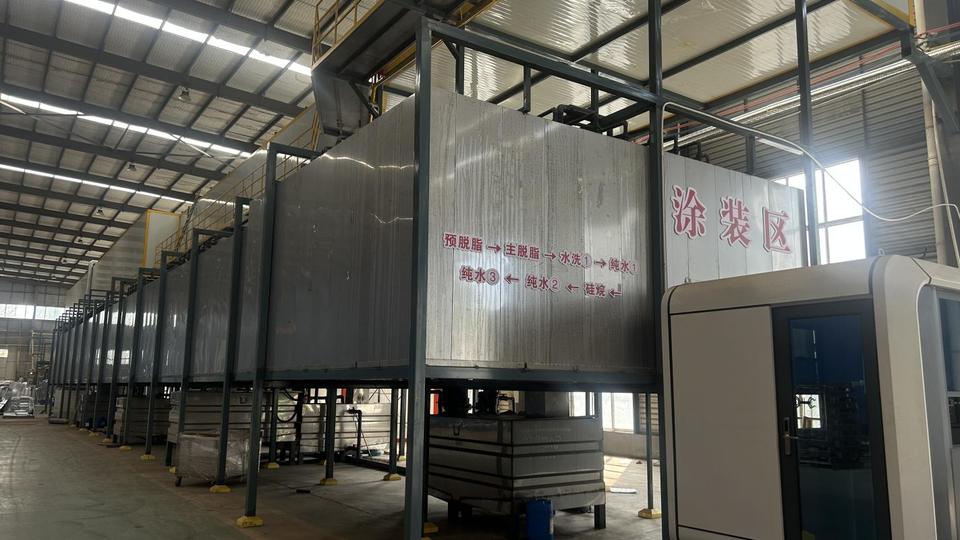
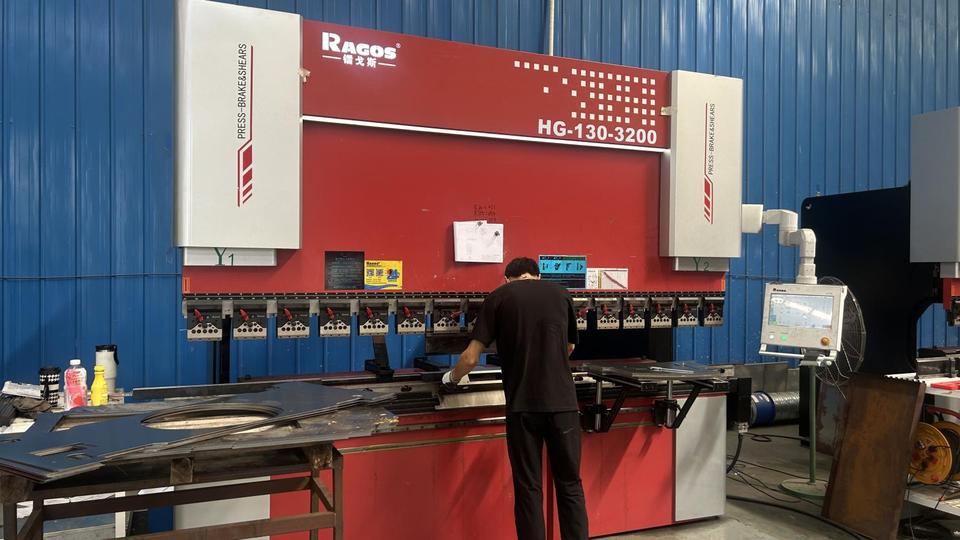
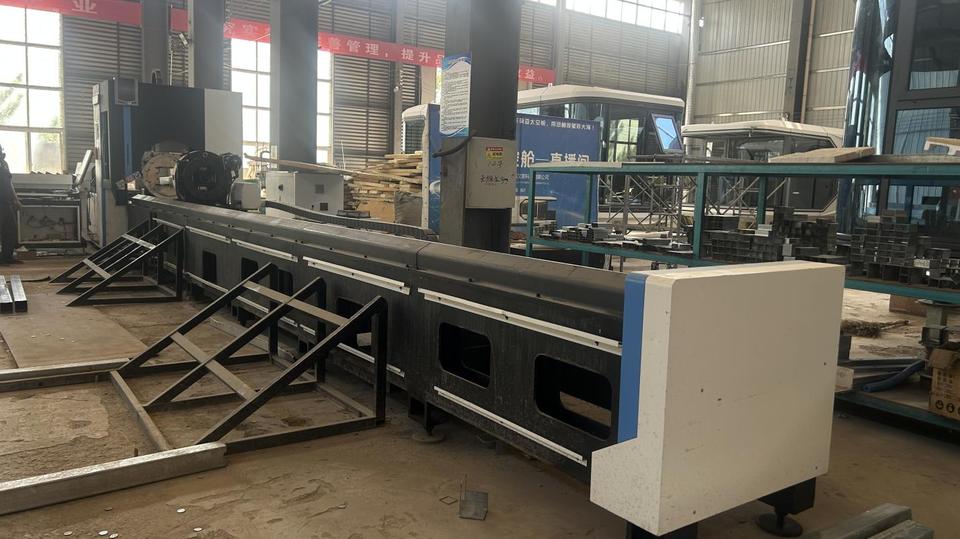
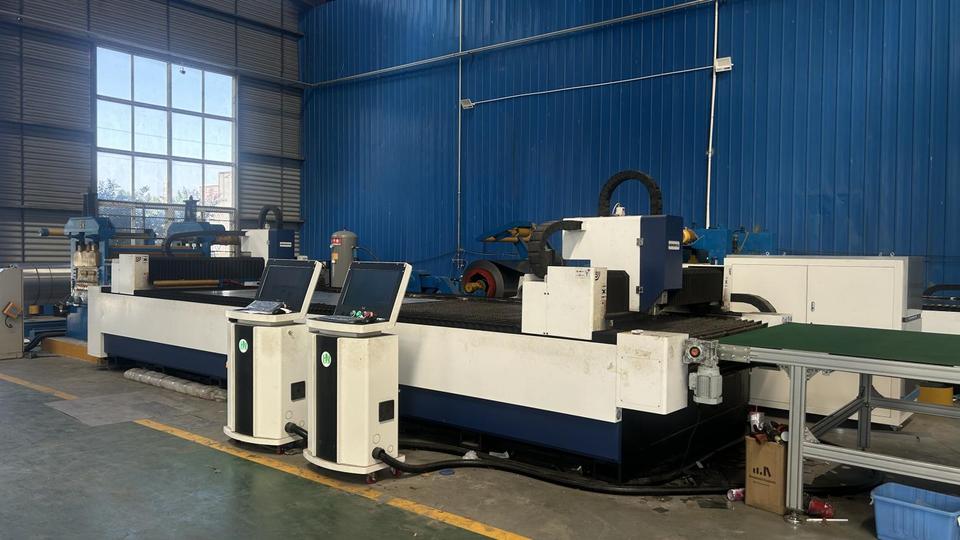
Ningbo production lines leverage robotic welding, laser cutting, and automated continuous hot-press sandwich panel bonding. This guarantees precision down to fractions of a millimeter, essential for modular assemblies that must align perfectly on-site.
Direct proximity to deepwater container terminals (Ningbo-Zhoushan Port) allows flat-pack modules, high-density sandwich sheets, and prefabricated steel sections to clear customs quickly and load onto major cargo vessels, reducing international transit times by days.
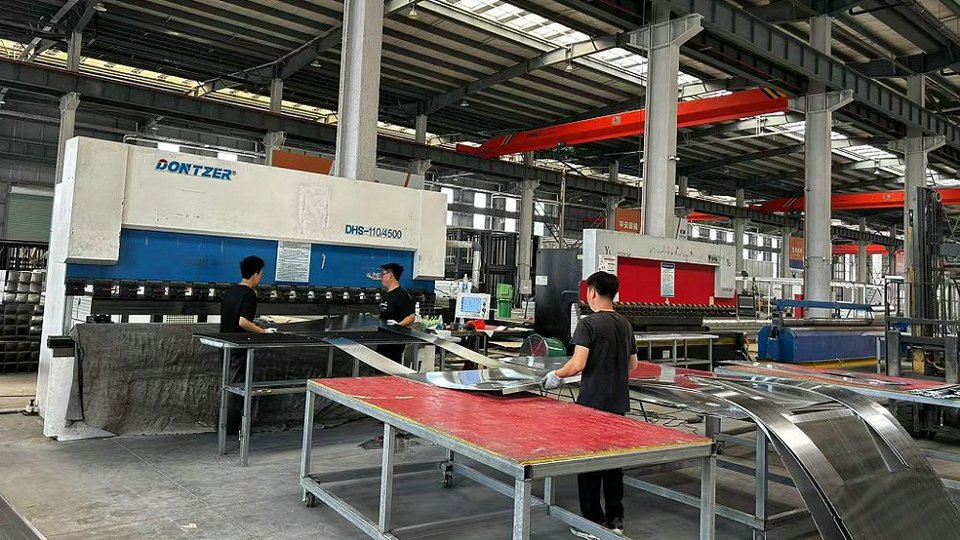
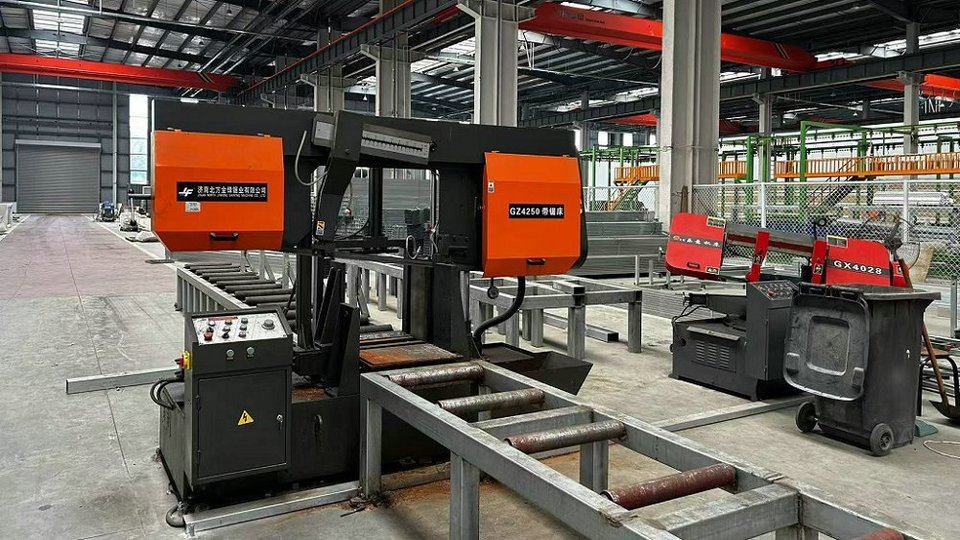
For global enterprise buyers, purchasing modular living units from overseas can present compliance challenges. Standardizing prefabricated structures requires strict adherence to localized building regulations. Premium Chinese manufacturers like Ningbo Goldy Homes have overcome these barriers by design.
Whether your project must meet the International Building Code (IBC) in North America, the Eurocodes (EN 1990 - EN 1999) in Europe, or AS/NZS 1170 in Australia and New Zealand, our engineering department designs structural modules to withstand specific local wind load, snow load, and seismic parameters.
"We integrate localized MEP (Mechanical, Electrical, Plumbing) configurations directly within the frame. This includes UL-certified wiring conduits for North America, CE-compliant components for Europe, and SAA-approved fittings for Australia, ensuring rapid connection upon arrival."
Furthermore, we prioritize fire-rated safety protocols. Our structural frames incorporate class-A non-combustible rockwool insulation cores and specialized fireproof glass curtain wall options, conforming to localized fire safety regulations.
A premier manufacturer and strategic supplier of high-tech modular living environments and architectural systems.
Ningbo Goldy Homes Co., Ltd. is a professional manufacturer specializing in modular building systems, container homes, clean room houses, and portable housing solutions in China. With years of industry experience, the company integrates design, production, customization, and global supply to deliver high-quality and efficient building solutions for diverse applications.
Goldy Homes focuses on providing innovative modular structures that are widely used in residential housing, temporary accommodation, commercial projects, industrial facilities, and specialized environments such as clean rooms. Our products are engineered with durability, flexibility, and sustainability in mind, ensuring fast installation, easy transportation, and cost-effective deployment.
Equipped with advanced manufacturing equipment and a skilled technical team, Ningbo Goldy Homes Co., Ltd. strictly follows international quality standards throughout the production process. From structural design and material selection to fabrication and final inspection, every step is carefully controlled to ensure reliable performance and long service life.
We are committed to delivering customized solutions tailored to meet the specific requirements of global clients. By combining modern technology with practical engineering, Goldy Homes continues to provide efficient, safe, and scalable modular building solutions. Our goal is to help customers achieve faster project completion, optimized costs, and superior building performance across various industries worldwide.
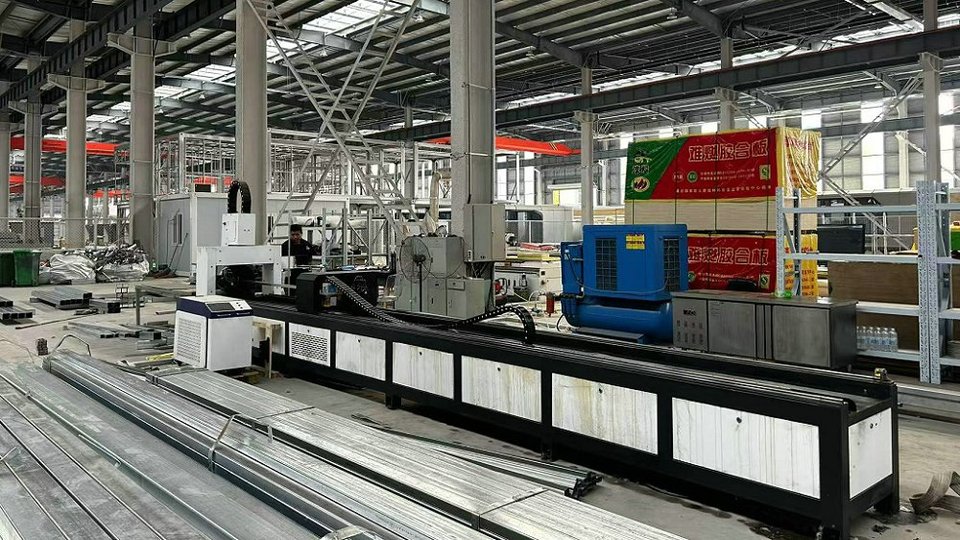
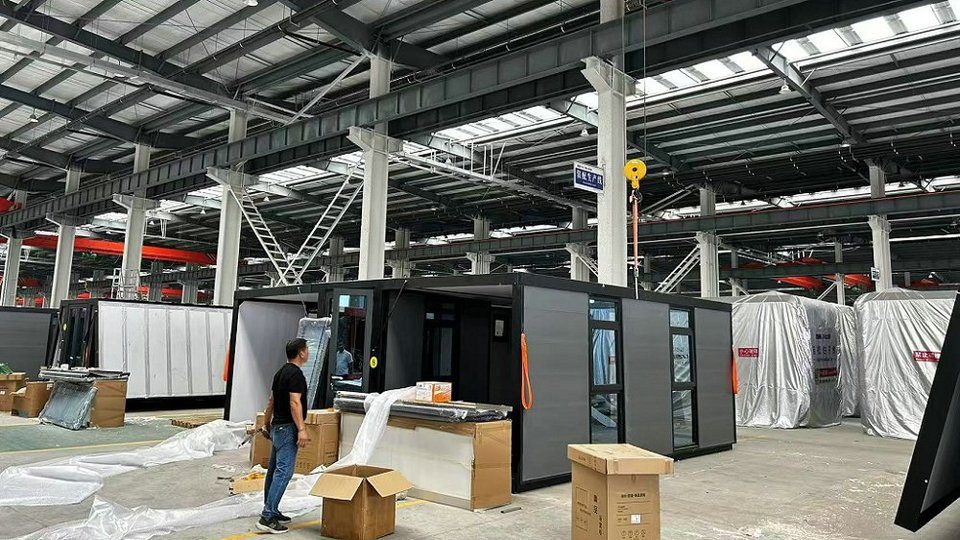
Exporting Countries
Annual Units Capacity
Manufacturing Tolerance
Engineering Experience
Discover how our modular catalog matches the high-stress demands of critical commercial and industrial installations.
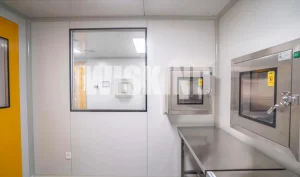
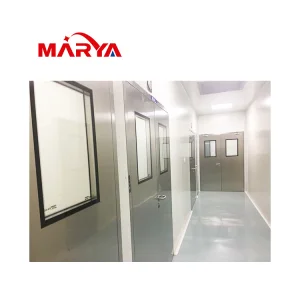
Utilizing specialized 50mm to 100mm Rockwool Sandwich Panels to form air-tight modular cleanrooms. These structures support advanced air-purification filters, preventing contamination down to ISO class 5 standards.
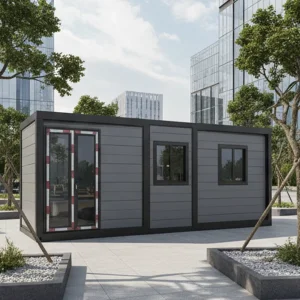
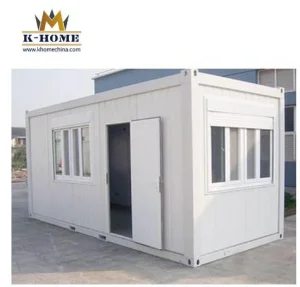
Deploying heavy-duty, stackable temporary container housing units for remote mining, pipeline construction, and oil exploration operations where quick and easy assembly structures are vital.
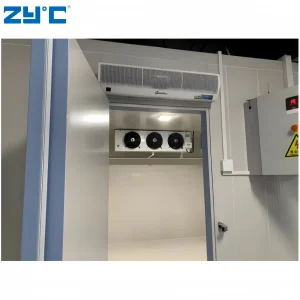
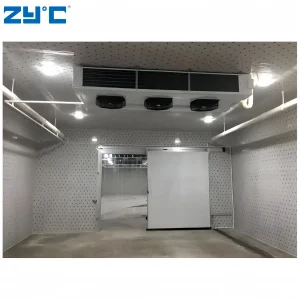
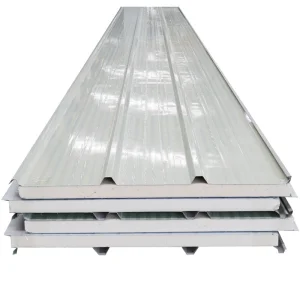
High-density PU Sandwich Roof Panels combined with integrated refrigeration and cold storage chambers preserve imported frozen foods and fresh agriculture product freshness under intense tropical climates.
Key architectural transitions driving the next generation of offsite modular solutions.
Environmental, Social, and Governance (ESG) guidelines require developers to lower their structural carbon footprints. Prefabricated steel and insulated sandwich panel systems produce significantly fewer lifecycle emissions during transport and assembly. Modular building systems from Ningbo Goldy Homes use highly recyclable metals and energy-efficient insulation materials, facilitating LEED certification for commercial real estate developments.
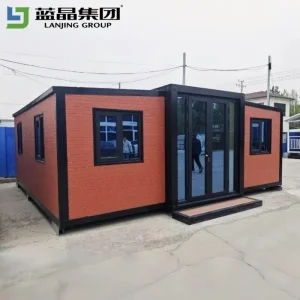
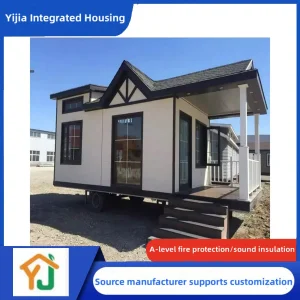
Shipping logistics restrict modular sizes due to standard road freight clearances. Modern engineering addresses this with double-wing expandable rooms. Folded into standard container shapes for economical transport, these structures open on site to double or triple their size, making them ideal for high-density student apartments or scenic camping zones.
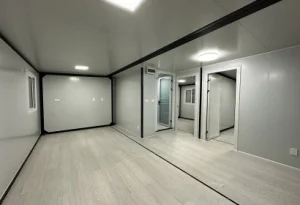
Modern building design increasingly combines traditional structural envelopes with modular interiors. Pre-wired bathrooms, HVAC systems, and architectural glass curtain wall systems are built off-site and then slotted into structural steel frames. This method reduces installation risks and minimizes onsite coordination, accelerating project delivery.
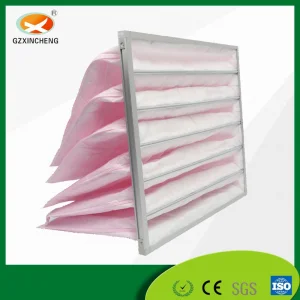
High-tech electronics fabrication, semiconductor packaging, and pharmaceutical manufacturing require tightly controlled cleanrooms. The industry is moving toward fully integrated, pre-tested cleanroom modules. These arrive on-site with wall systems, F7 pocket filters, clean air ducting, and ceiling grids pre-installed to speed up facility startup.
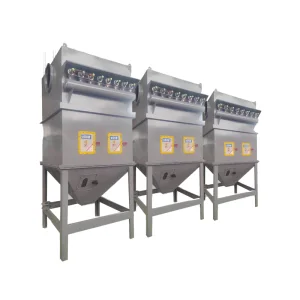
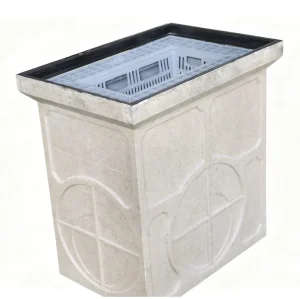
Explore specialized wall panels, air purification components, and civil storm drainage solutions designed for modern industrial developments.
Technical and logistical insights for global procurement managers and structural engineers.
Engineering teams design all modular buildings, container structures, and sandwich panel installations to match specific regional building codes, such as the International Building Code (IBC) and Eurocodes. They perform finite element analysis to ensure the structural steel frames meet local wind, snow, and seismic requirements. Electrical, plumbing, and mechanical services are also configured with UL, CE, or SAA certified components based on the destination country.
The choice of core material depends on project priorities. Rockwool panels are non-combustible and offer excellent fire resistance, making them ideal for high-containment structures, cleanrooms, and fire-rated walls. PU (Polyurethane) cores provide higher thermal efficiency (lower thermal conductivity) per unit thickness, which is preferable for cold storage, walk-in coolers, and energy-efficient building envelopes.
Double-wing expandable rooms fold flat into standard shipping dimensions (such as a 20ft or 40ft container profile). They are shipped on standard container vessels, reducing international freight costs. Once on-site, a crane positions the unit on a foundation, and the side wings unfold using built-in hinge and winch systems. Internal joints are then sealed, and utilities are connected, completing structural setup in less than a day.
To ensure cleanroom integrity, panels undergo tests for dimension consistency, surface finish, flat-load bearing capacity, and adhesive bonding strength. Custom panels also receive anti-static coatings to prevent dust accumulation. Our cleanroom systems are designed to fit together tightly, ensuring the low air-leakage rates required for pharmaceutical and electronic manufacturing.
Yes. The structural steel frame acts as the primary load-bearing element, allowing for flexible interior configurations. Clients can customize internal layouts, room dimensions, bathroom fittings, and finish options. Our engineers provide detailed CAD models and 3D mockups during design to verify all specifications before production begins.
When properly maintained, steel modular units have a service life of 25 to 50 years. The structural frames are hot-dip galvanized and finished with marine-grade anti-corrosive coatings to prevent rust in humid or coastal environments. Regular maintenance involves checking structural seals, recoating high-wear surfaces, and ensuring roof drainage systems remain clear.
 Goldy Homes