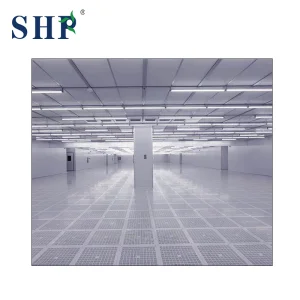
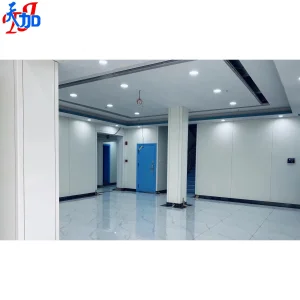
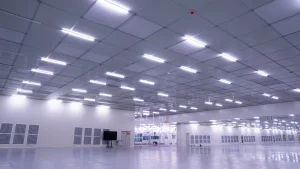
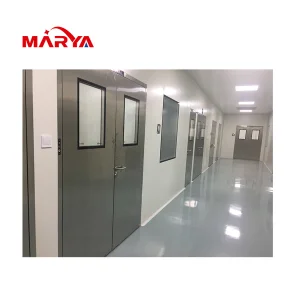
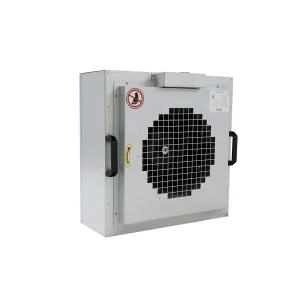
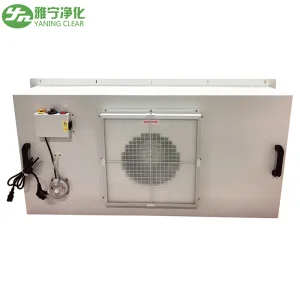
Explore high-performance modular cleanroom panels, high-efficiency fan filter units (FFUs), and contamination containment equipment designed specifically for industrial microelectronics manufacturing facilities in Surabaya.
Surabaya, the economic engine of East Java (Jawa Timur), is experiencing an unprecedented surge in high-tech industrial transformation. Driven by foreign direct investment (FDI) and national industrialization mandates, Surabaya and its adjacent industrial corridors have established themselves as Indonesia’s epicenter for electronics manufacturing, semiconductor packaging, automotive electronics, and precision optical device assembly.
The concentration of microelectronics, surface-mount technology (SMT) lines, and semiconductor packaging plants in key industrial estates across East Java requires specialized controlled environments:
Operating high-precision electronics cleanrooms in Surabaya’s tropical coastal environment presents unique thermodynamic challenges. Ambient temperatures exceeding 34°C combined with relative atmospheric humidity continuously topping 80% to 90% demand specialized engineering expertise:
Standard HVAC units fail to handle Surabaya's extreme latent cooling load. Electronics cleanroom engineering must integrate custom Desiccant Dehumidification Wheels, dual-stage chilled water cooling coils, and isolated positive air pressure cascades to maintain tight tolerance indoor environments (+22°C ± 0.5°C and 45% RH ± 5%).
Modern microelectronics and semiconductor fabrication demand absolute control over particulate contamination, airborne molecular contamination (AMC), electrostatic discharge (ESD), and structural vibration. Below is the technical compliance matrix implemented across Surabaya cleanroom projects.
| ISO 14644-1 Class | Federal Standard 209E Equivalent | Max Particles (≥0.5µm / m³) | Air Change Rate (ACH) | Primary Industrial Applications in Surabaya |
|---|---|---|---|---|
| ISO Class 5 | Class 100 | 3,520 | 240 – 480 times/hr | Semiconductor Wafer Photolithography, Micro-LED Processing, Hard Drive Disk Head Assembly |
| ISO Class 6 | Class 1,000 | 35,200 | 150 – 240 times/hr | SMT Fine-Pitch Component Placement, Precision Optical Lens Coating, Fiber Optic Packaging |
| ISO Class 7 | Class 10,000 | 352,000 | 60 – 90 times/hr | Automotive ECU Manufacturing, Medical Electronics Enclosures, Multi-layer PCB Fabrication |
| ISO Class 8 | Class 100,000 | 3,520,000 | 20 – 48 times/hr | Electronics Sub-assembly, Plastic Injection Molding for Clean Housing, Packaging & Logistics |
Electrostatic discharge represents the silent killer of integrated circuits (IC). Surabaya electronics factories require comprehensive static dissipative flooring systems, conductively grounded wall panels, anti-static PVC strip curtains, and dedicated static neutralizer ionizer bars. Surface resistance is strictly maintained between 106 to 109 Ohms/sq according to ANSI/ESD S20.20 standards.
As semiconductor lithography shrinks below 14nm node thresholds, volatile organic compounds (VOCs), organosilicon compounds, and acid gases become critical hazards. Our cleanroom facilities incorporate chemical filters (Activated Carbon + Permanganate impregnations) integrated directly into FFU arrays to scrub organic vapors and airborne acids.
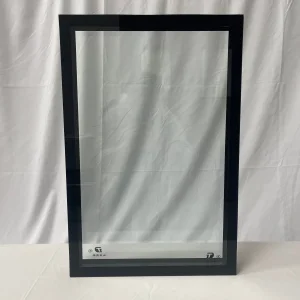
To prevent raw ambient air infiltration from Surabaya’s surrounding industrial environment, a strict positive differential pressure gradient (10 to 15 Pa between adjoining rooms) is maintained. High-airtightness double-sealed cleanroom hollow windows and airlock pass boxes ensure structural integrity and airtight envelope performance.
International OEMs, Tier-1 automotive suppliers, and local joint ventures expanding production facilities in Surabaya face rigorous procurement decisions. Optimizing total cost of ownership (TCO) while guaranteeing international regulatory compliance requires a strategic turnkey methodology.
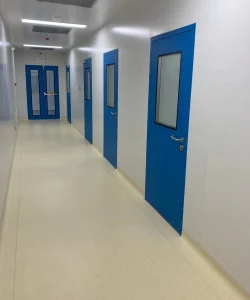
Traditional cleanroom construction often suffers from lengthy onsite civil works, dust creation, and delayed commissioning. Modular sandwich panel construction—utilizing Rockwool, Polyurethane (PU), or Aluminum Honeycomb cores—offers unparalleled benefits for fast-track deployments in East Java:
Procuring cleanroom infrastructure for Indonesian industrial parks mandates strict adherence to local laws, labor safety codes, and environmental regulations:
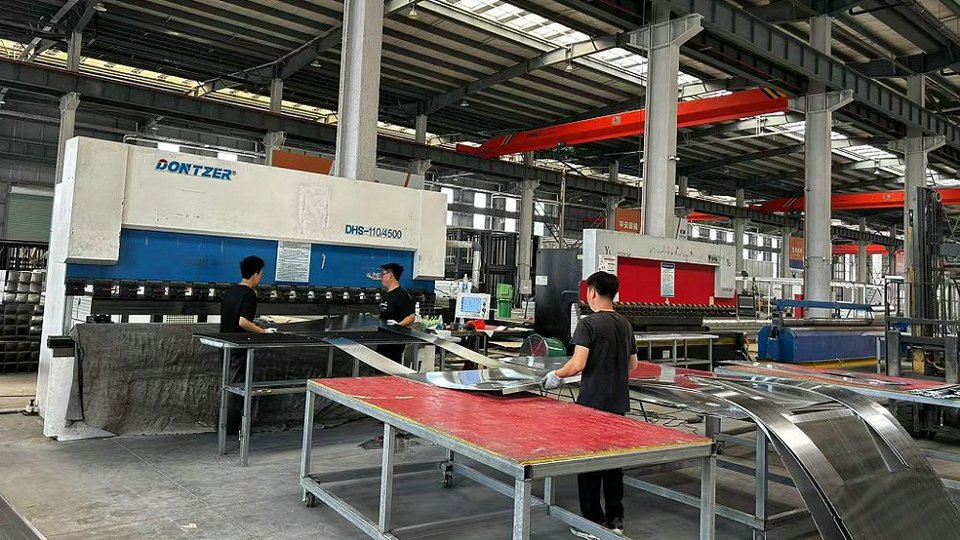
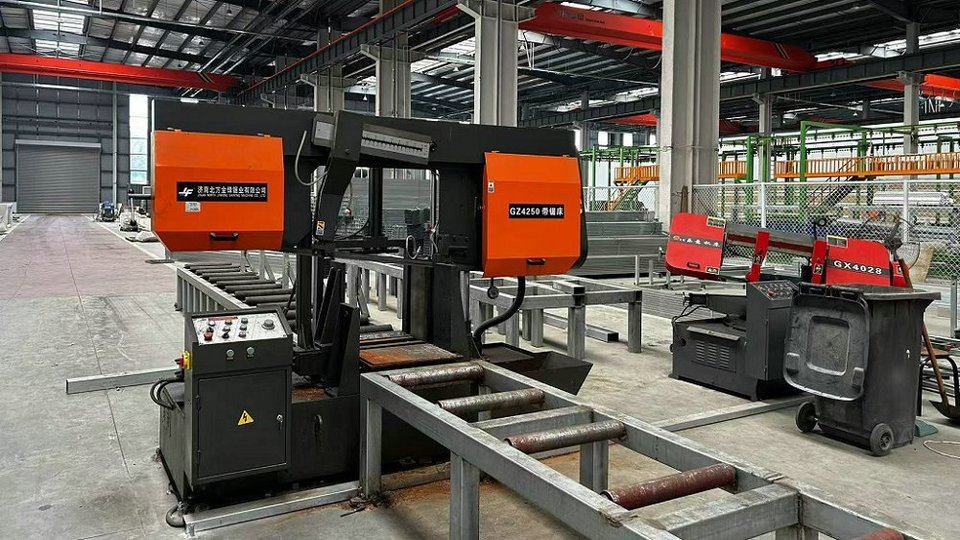
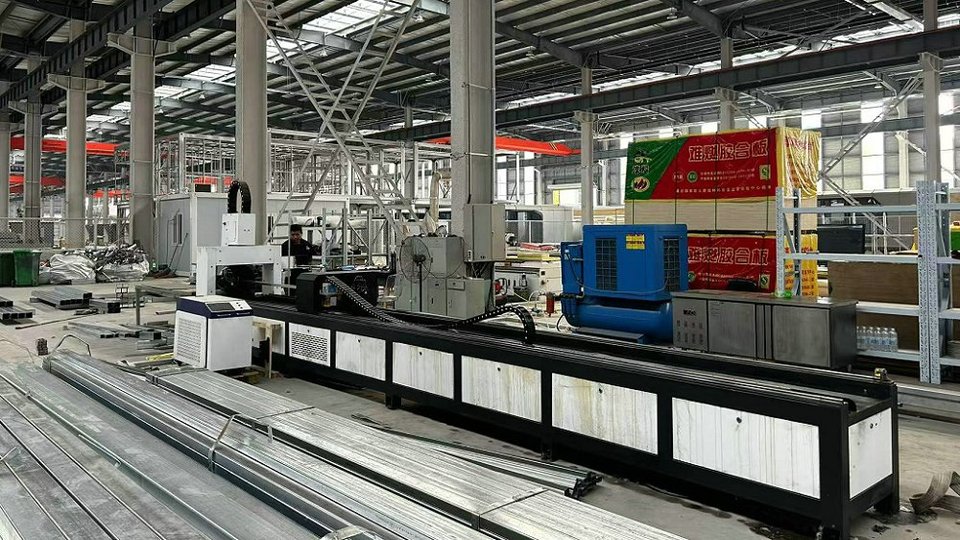
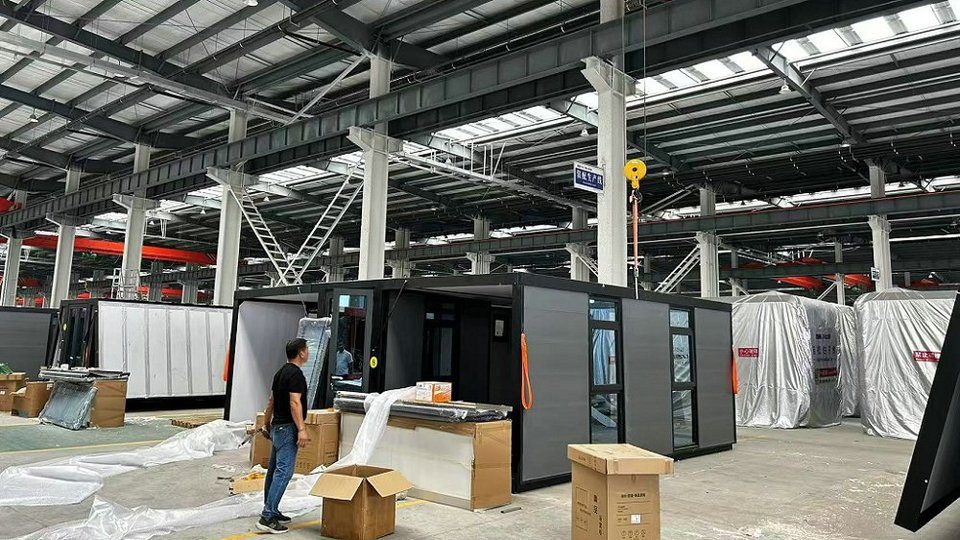
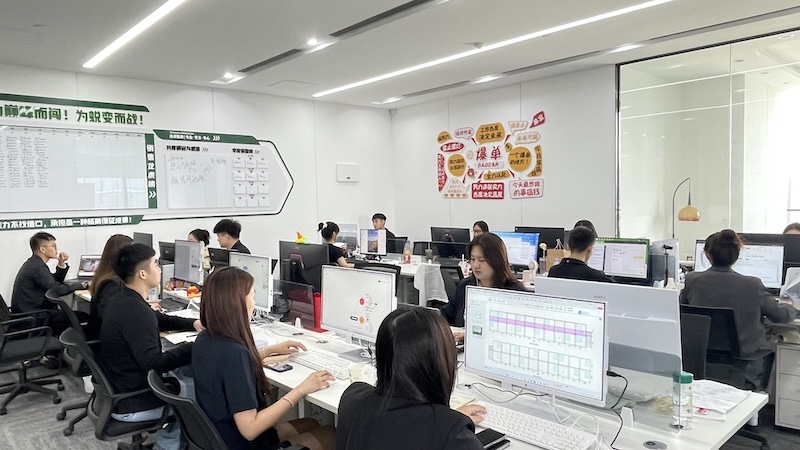
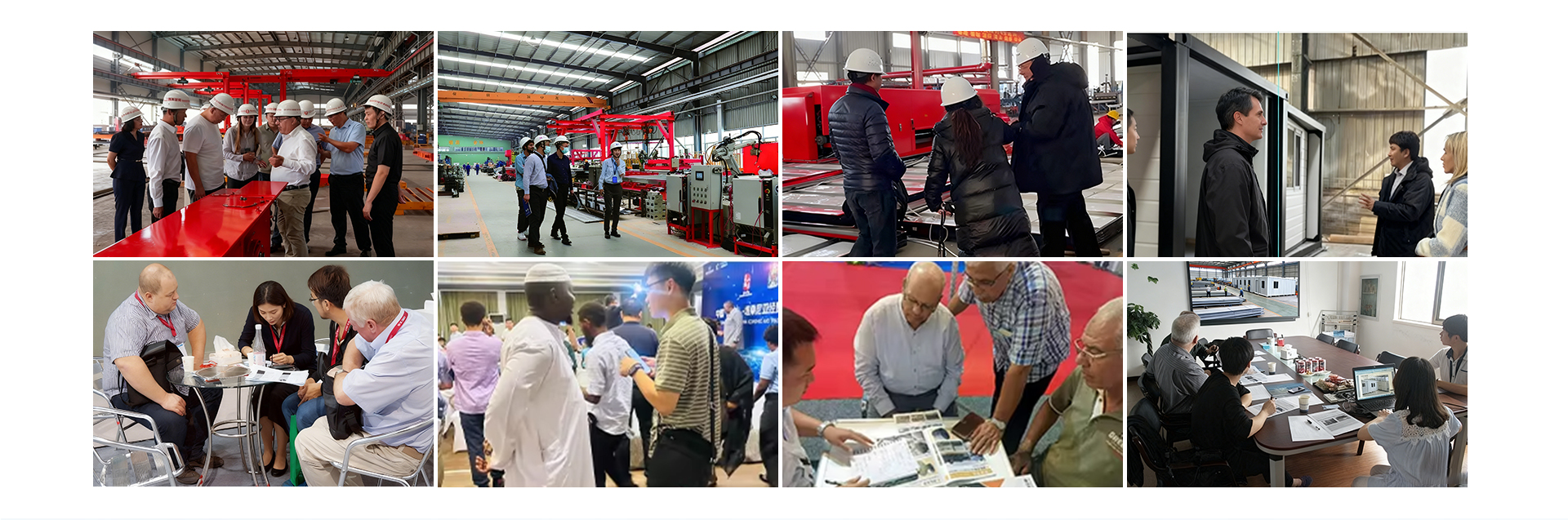
Ningbo Goldy Homes Co., Ltd. is a professional manufacturer specializing in modular building systems, container homes, clean room houses, and portable housing solutions in China. With years of industry experience, the company integrates design, production, customization, and global supply to deliver high-quality and efficient building solutions for diverse applications.
Goldy Homes focuses on providing innovative modular structures that are widely used in residential housing, temporary accommodation, commercial projects, industrial facilities, and specialized environments such as clean rooms. Our products are engineered with durability, flexibility, and sustainability in mind, ensuring fast installation, easy transportation, and cost-effective deployment.
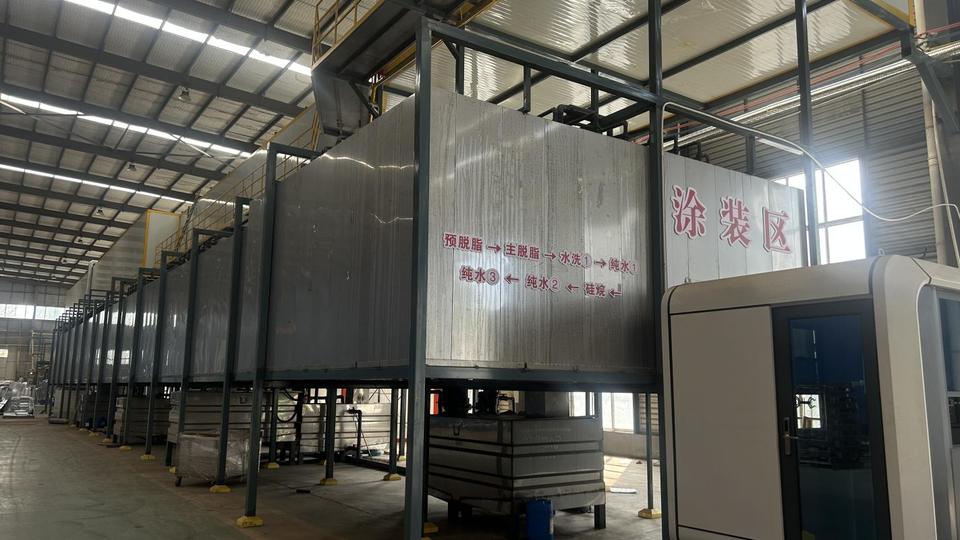
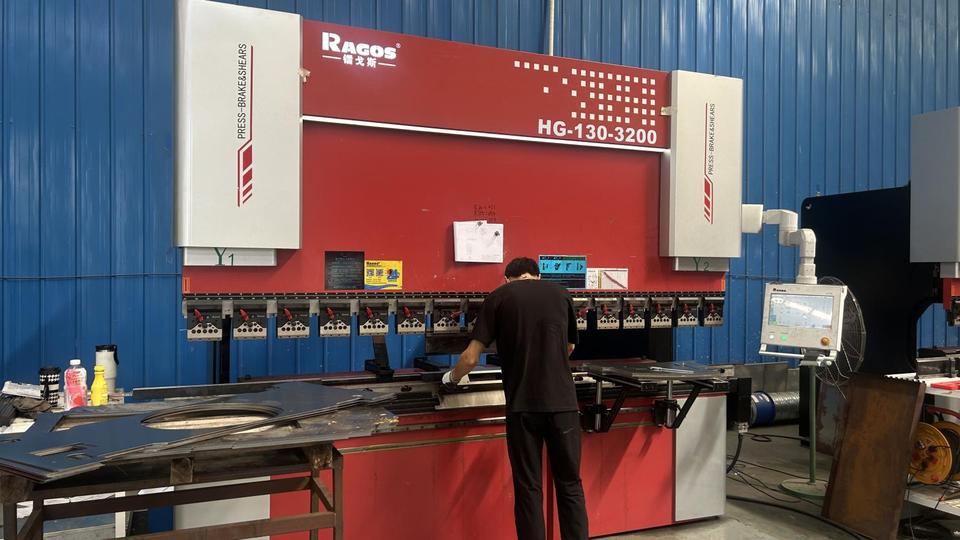
Equipped with advanced manufacturing equipment and a skilled technical team, Ningbo Goldy Homes Co., Ltd. strictly follows international quality standards throughout the production process. From structural design and material selection to fabrication and final inspection, every step is carefully controlled to ensure reliable performance and long service life.
We are committed to delivering customized solutions tailored to meet the specific requirements of global clients. By combining modern technology with practical engineering, Goldy Homes continues to provide efficient, safe, and scalable modular building solutions. Our goal is to help customers achieve faster project completion, optimized costs, and superior building performance across various industries worldwide.
As microelectronics manufacturing shifts toward higher circuit density, lower power consumption, and smart IoT control systems, cleanroom facilities in Surabaya are undergoing continuous technological evolution.
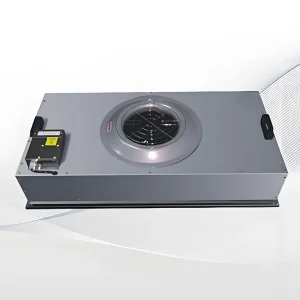
Legacy cleanrooms operate at constant high fan speeds, resulting in enormous electrical waste. Future-proof cleanroom systems integrate Modbus / BACnet dynamic IoT sensor arrays. Fan Filter Units (FFUs) automatically adjust motor RPM based on real-time particle counts, differential room pressure, and operational shifts, cutting energy usage by 30% to 45%.
Human personnel remain the primary source of particle generation in high-grade cleanrooms. Next-generation cleanroom facilities in Surabaya are adopting fully automated robotic materials handling systems, pass-through conveyor air showers, and robotic room decontamination atomizers to minimize human presence in ISO Class 3–5 zones.
With global net-zero targets and ISO 14001 mandates, sustainable cleanroom design combines energy recovery ventilators (ERV), magnetic-levitation chillers, low-pressure-drop HEPA filters, and solar-assisted heat pumps to drastically reduce the carbon footprint of semiconductor manufacturing in East Java.
Expert answers to critical technical, financial, and logistical questions regarding cleanroom facility construction and supplier selection in Surabaya, East Java.
The cost varies depending on structural prefabrication, HVAC complexity, desiccant dehumidification requirements, and static dissipative flooring choices. Generally, an ISO 7 cleanroom ranges between $450 to $950 USD per square meter, including modular sandwich wall/ceiling panels, specialized HVAC, FFU units, and basic validation testing.
During East Java’s wet season, outdoor relative humidity frequently hits 90%. We utilize deep-cooling dehumidification coils coupled with active rotary desiccant wheels. This setup extracts moisture from fresh intake air before it enters the recirculation air stream, maintaining strict 45% ± 5% RH levels without overcooling the workspace.
Yes. Our modular cleanroom sandwich panels feature high-density structural Rockwool or aluminum honeycomb cores. They carry Class A fire ratings (EN 13501-1 / BS 476 Part 6/7) providing up to 120 minutes of fire resistance, compliant with Indonesian national building codes and international factory safety audits.
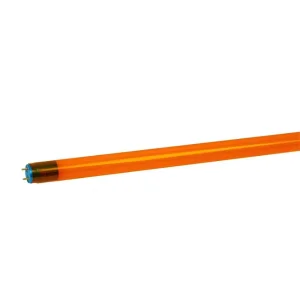
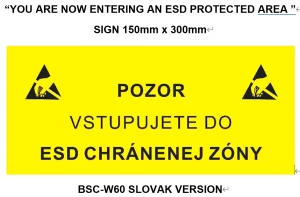
Comprehensive ESD mitigation requires a multi-layered approach: ESD-conductive PVC or epoxy flooring (grounded via copper mesh beneath), ESD-rated anti-static wall panels (106-109 Ω), anti-static teardrop LED lights, ionization blowers at critical pick-and-place stations, and dedicated pass box ESD warning signage.
Manufacturing of pre-engineered panels, doors, air showers, and FFUs typically takes 3 to 4 weeks. Shipping to Tanjung Perak Port in Surabaya takes approximately 10 to 14 days. Onsite modular assembly and commissioning for a 1,000 sqm ISO 7 cleanroom takes just 3 to 4 weeks, cutting traditional timeline requirements in half.
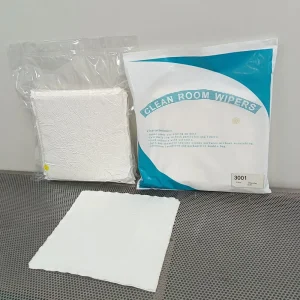
Browse our comprehensive portfolio of specialized cleanroom equipment, doors, lighting, air handlers, filtration units, and anti-static consumables tailored for industrial projects in Surabaya.
Contact our engineering specialists today for customized layout designs, local environmental compliance consultation, technical specifications, and fast quotation services.
Send Inquiry Now Goldy Homes